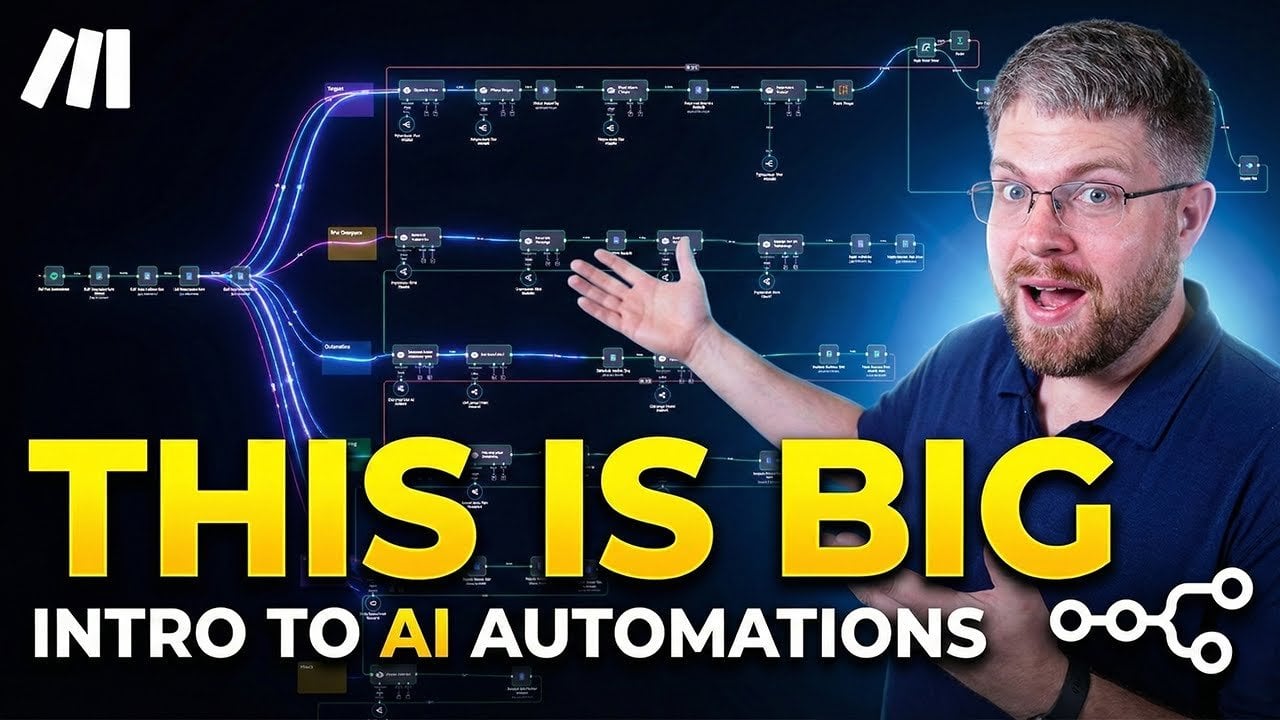
How Authors Use AI Automations to Write Faster & Research More Effectively
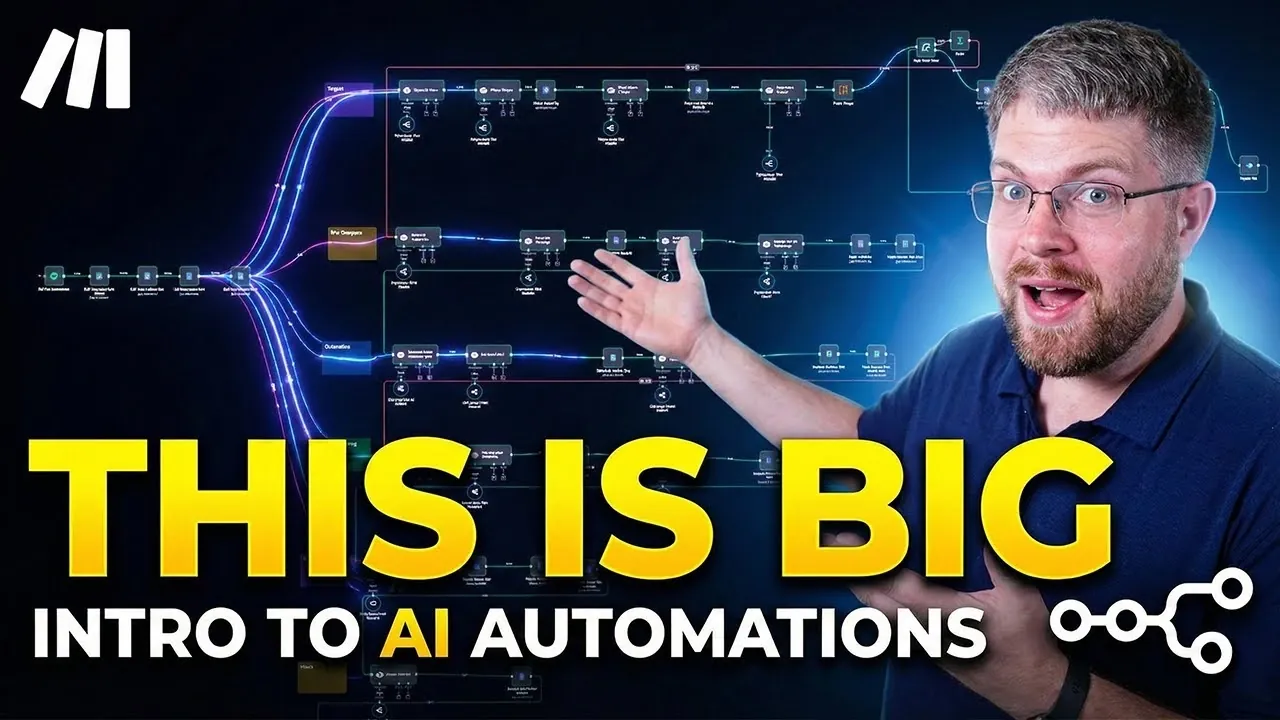
Have you ever felt like the creative spark that drives your writing is constantly competing with the grind of repetitive tasks? From organizing research notes to tracking plot threads, the administrative side of writing can feel like a relentless drain on your energy. Here’s the bold truth: in a world where technology is reshaping every industry, authors who ignore tools like AI automations risk falling behind. These innovations are no longer just for tech-savvy professionals, they’re accessible, adaptable, and designed to help you reclaim your time. Imagine focusing entirely on your storytelling while a system in the background handles the tedious details. That’s the power of automation, and it’s transforming how writers approach their craft.
Below the Nerdy Novelist takes you through how AI automations can transform your writing process. From analyzing your manuscript’s themes to streamlining your workflow, these tools offer more than just convenience, they provide insights that can elevate your storytelling. Whether you’re curious about how automation can save you hours of editing or intrigued by its ability to unlock new creative possibilities, this guide will show you why these tools are becoming essential for modern authors. The question isn’t whether you should embrace automation, it’s how far it can take your writing.
AI Automations for Writers
TL;DR Key Takeaways :
- AI automations streamline repetitive tasks in writing, allowing authors to focus on creativity and improve productivity through data-driven insights.
- AI automations are structured workflows for handling specific tasks, while AI agents are autonomous systems that assist within these workflows, requiring human oversight.
- Modern AI automation tools like Make and n8n have made advanced workflows accessible to authors without requiring extensive technical skills.
- Practical applications for authors include story analysis, genre research, workflow management, and learning from successful works to enhance writing quality.
- AI automations can be customized to fit unique writing goals, fostering collaboration, learning, and innovation within writing communities and beyond.
AI automations are predefined workflows powered by artificial intelligence, designed to efficiently handle repetitive or complex tasks. For authors, these tools can automate processes such as story analysis, genre research, and workflow management. By integrating automations into your writing routine, you can save time, minimize errors, and focus on the creative elements of storytelling.
For instance, instead of manually identifying recurring themes or tracking character arcs, automations can analyze your text and provide detailed insights within minutes. This not only accelerates the editing process but also ensures a more thorough and accurate analysis, allowing you to refine your narrative with greater confidence. By embracing these tools, you can elevate your writing process and focus on what truly matters, your creativity.
AI Automations vs. AI Agents: Understanding the Difference
It is crucial to distinguish between AI automations and AI agents, as both serve different purposes in the writing process. AI automations consist of structured workflows that execute specific tasks in a sequence, often combining multiple tools or prompts. In contrast, AI agents are autonomous systems capable of performing tasks within these workflows but typically require human oversight to ensure accuracy and alignment with your goals.
For example, an automation might extract key themes from your manuscript, while an AI agent within that workflow could summarize those themes or suggest improvements. Together, these systems create a powerful synergy that supports your creative process without compromising your unique voice. By understanding their roles, you can better harness their potential to enhance your writing.
Authors, You Need to Learn Automations!
Find more information on AI automations by browsing our extensive range of articles, guides and tutorials.
- Easily create AI automations using no-code drag-and-drop
- Zapier AI automations now support Microsoft 365 apps
- Gemini 2.0 and Advanced AI-Powered Browser Automations
- Master AI Automation with ChatGPT-o1 Series and RAG
- n8n Tutorial: No-Code Workflow Automation with AI Integration
- How to Build AI Agents in Claude 4 Opus and n8n Automations
- How to Use Zapier AI with ChatGPT, Claude, Gemini for Automation
- Zapier AI Agents Guide 2025 : Easily Build Smarter Automations
- How to Build an AI Agent Network with n8n and Claude
- New Zapier automation AI Copilot no-code automation features
The Evolution of AI Automations
AI automations have undergone significant advancements over the years. Early iterations required extensive technical expertise and constant micromanagement, making them inaccessible to many authors. Today, platforms like Make and n8n have provide widespread access tod access to these tools by offering user-friendly interfaces that simplify the process, allowing you to build workflows with minimal coding knowledge.
This evolution has transformed automations from basic productivity tools into indispensable creative partners. By handling non-creative tasks such as data analysis and workflow optimization, these tools free you to focus on storytelling, character development, and other aspects of writing that require human intuition and imagination. The accessibility and adaptability of modern AI automations make them an invaluable resource for authors at all levels.
Practical Applications of AI Automations for Authors
AI automations offer a wide range of practical applications tailored to the needs of writers. These tools can streamline various aspects of the writing process, providing both time savings and valuable insights. Here are some examples of how you can use them effectively:
- Story Analysis: Automate the identification of plot structures, character dynamics, and thematic elements in your manuscript to gain a deeper understanding of your narrative.
- Learning from Success: Analyze award-winning novels or bestsellers to uncover patterns, techniques, and strategies that can inspire and elevate your writing.
- Genre Research: Study common tropes, plot devices, and audience preferences within specific genres to align your work with market expectations.
- Workflow Management: Streamline your writing schedule by automating tasks such as deadline tracking, document organization, and collaboration with editors or co-authors.
These applications not only enhance efficiency but also provide insights that would be challenging to achieve manually. By incorporating AI automations into your routine, you can gain a competitive edge and unlock new possibilities in your writing process.
Top Tools for Building AI Automations
Several platforms make it easy to create and customize AI automations for writing. These tools cater to a variety of needs, from simple workflows to highly specialized processes. Here are two of the most popular options:
- Make (Make.com): This platform offers a user-friendly interface that allows you to design complex workflows without requiring advanced technical skills. It is ideal for authors seeking an intuitive solution to automate their writing tasks.
- n8n: Known for its flexibility, n8n provides extensive customization options, making it a great choice for authors who want to tailor automations to their specific needs and preferences.
Other tools, such as Zapier and Google’s automation solutions, also offer valuable functionality. However, platforms like Make and n8n stand out for their ability to address the unique challenges faced by writers, making them particularly well-suited for creative professionals.
Customizing AI Automations to Fit Your Writing Goals
One of the greatest advantages of AI automations is their adaptability. Unlike pre-built software with fixed features, these tools can be customized to meet your unique requirements. Whether you are analyzing a specific genre, developing a collaborative workflow, or experimenting with new storytelling techniques, AI automations can be tailored to support your goals.
For example, you could create an automation that not only identifies recurring themes in your manuscript but also compares them to popular works in your genre. This level of customization ensures that the technology works for you, rather than forcing you to conform to its limitations. By taking the time to personalize your automations, you can maximize their value and make them an integral part of your creative process.
Fostering Collaboration and Learning Through AI Automations
AI automations are not limited to individual use, they also have the potential to foster collaboration and learning within writing communities. Groups like StoryHacker Gold are using these tools to teach writing techniques, encourage collaboration, and explore new possibilities for AI in storytelling. By sharing workflows and participating in challenges, members can learn from one another and push the boundaries of what is possible with AI.
One innovative approach involves quarterly challenges where participants write stories without AI assistance but use automations for analysis and feedback. This highlights the complementary role of AI, emphasizing its value as a tool for growth and learning rather than a replacement for human creativity. By engaging with these communities, you can expand your understanding of AI automations and discover new ways to enhance your writing.
The Future of AI Automations in Writing
As AI technologies continue to advance, the potential for automations in writing is growing rapidly. Future developments may include more sophisticated tools for genre-specific analysis, seamless integration with popular writing platforms, and enhanced customization options. Comparisons of platforms like Make and n8n will also help authors make informed decisions about which tools best suit their needs.
By embracing these innovations, you can not only improve your productivity but also gain deeper insights into your craft. The writing landscape is evolving, and AI automations are at the forefront of this transformation. Are you ready to harness their potential and take your writing to the next level?
Media Credit: The Nerdy Novelist
Latest Geeky Gadgets Deals
Disclosure: Some of our articles include affiliate links. If you buy something through one of these links, Geeky Gadgets may earn an affiliate commission. Learn about our Disclosure Policy.