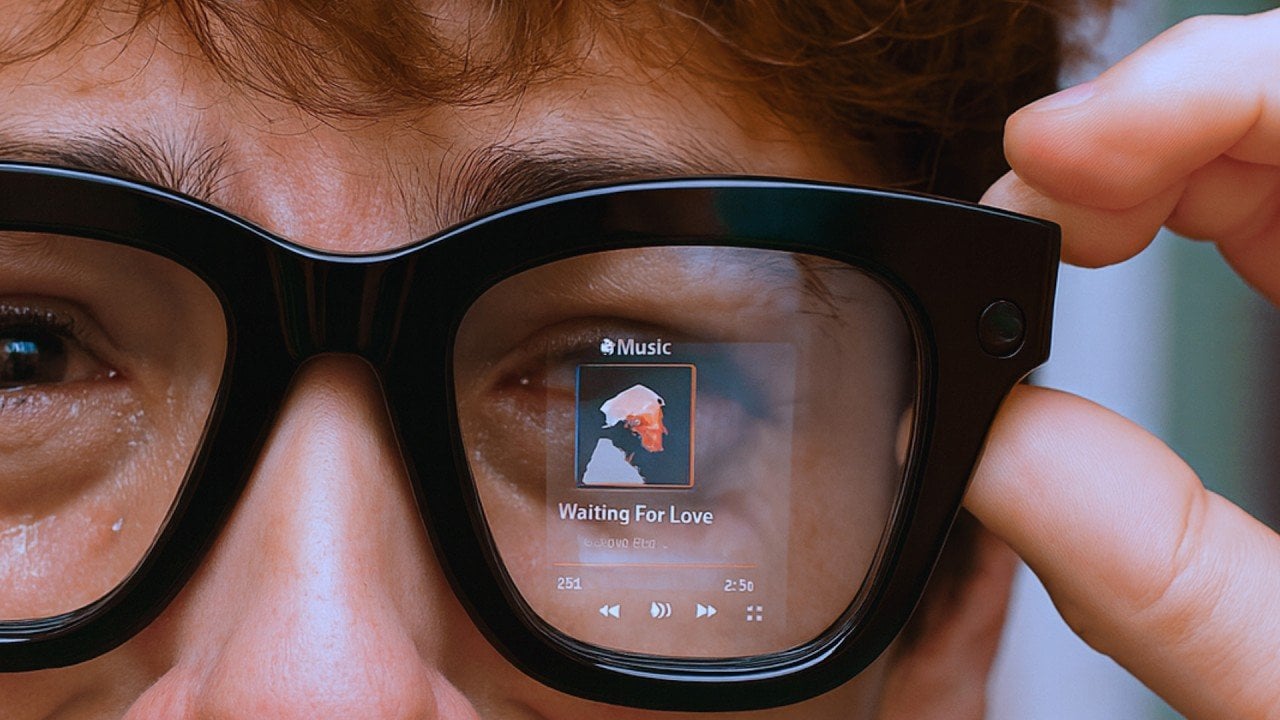
Why Meta’s New Display AI Smart Glasses Struggle with Apps, Maps & Basic Controls
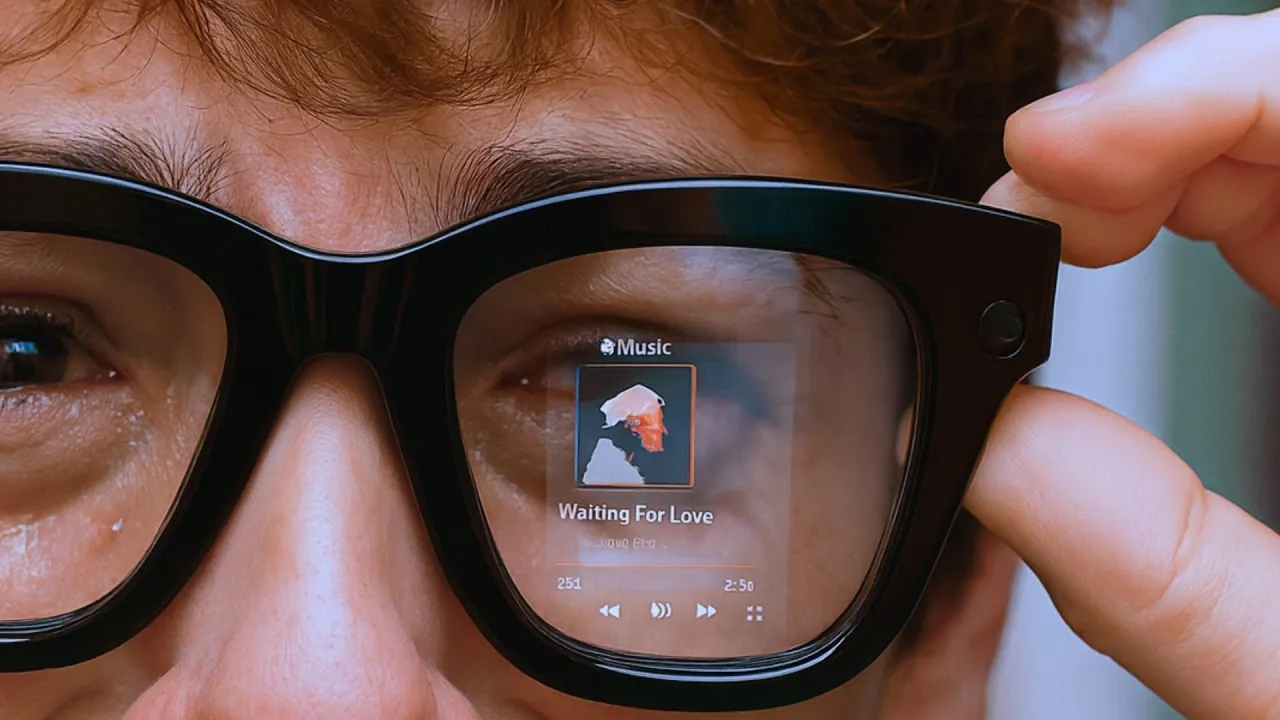
What if the future of wearable tech isn’t quite ready for the present? Imagine investing $800 in a pair of smart glasses, only to find that their most touted features, like gesture controls and real-time translation, are riddled with glitches and limitations. That’s the reality many users face with the Meta Display Glasses, a product that promises innovation but delivers frustration. Despite Meta’s bold vision to merge innovative technology with everyday practicality, the glasses feel more like an ambitious experiment than a polished consumer device. From a bulky design to inconsistent functionality, the Meta Display Glasses highlight just how far wearable tech still has to go before it can truly integrate into our lives.
Below Steven Sullivan explains the highs and lows of Meta’s latest foray into the smart glasses market, shedding light on the product’s potential and its glaring flaws. You’ll discover why the display struggles to meet modern standards, how usability issues undermine its futuristic appeal, and why competitors are leaving Meta in the dust. Whether you’re a tech enthusiast or a curious consumer, this deep dive into the Meta Display Glasses will reveal what happens when ambition outpaces execution. Sometimes, innovation isn’t enough, it has to be done right.
Meta Display Glasses Review
TL;DR Key Takeaways :
- The Meta Display Glasses, priced at $800, aim to innovate with an in-lens display but fall short in execution, feeling more like a prototype than a polished consumer product.
- Design challenges include a bulky frame, limited color options, and transition lenses that fail to fully darken, impacting comfort and practicality.
- Functionality issues such as inconsistent touch controls, unreliable gesture recognition, and glitchy displays detract from the user experience.
- Features like live captions, translation, and navigation are limited in scope and usability, with language support and app integration needing significant improvement.
- Compared to competitors, the glasses lack refinement, versatility, and value for money, making them a less attractive option in the smart glasses market.
Display and Design: Balancing Innovation and Practicality
The Meta Display Glasses feature a single-lens display with a resolution of 600×600 pixels. While the in-lens display is an innovative concept, the resolution lacks the sharpness and clarity offered by dual-lens alternatives from competitors. This limitation becomes particularly noticeable when viewing detailed content, where the display struggles to deliver the crispness required for an immersive experience.
The design of the glasses also presents challenges. The bulky frame, combined with limited color options, shiny black and tan, may not appeal to users seeking a sleek, modern aesthetic. The glasses feel heavier than many competitors, which can detract from comfort during extended use.
One notable feature is the inclusion of transition lenses, which automatically darken in sunlight. While this addition hints at practicality, the lenses fail to reach full opacity, reducing their effectiveness in bright outdoor conditions. This shortcoming limits their utility for users who frequently transition between indoor and outdoor environments. Overall, the design reflects an attempt to innovate but struggles to balance aesthetics, comfort, and functionality.
Functionality and Usability: Falling Short of Expectations
The Meta Display Glasses aim to simplify interaction through touch controls and gesture recognition, but these features often lead to frustration. The touch controls, while occasionally responsive, are inconsistent and unintuitive. Users may find themselves repeating gestures multiple times to achieve the desired result, which undermines the convenience these controls are meant to provide.
Gesture recognition, a key feature of the glasses, frequently misinterprets commands. Simple tasks, such as swiping backward or navigating menus, can become unnecessarily complicated due to the system’s lack of precision. Additionally, the display is prone to glitches, and waking the screen often requires multiple attempts. These issues collectively detract from the user experience, making the glasses feel cumbersome rather than seamless.
Meta Display Glasses, Specs, Apps & Real-World Drawbacks Explained
Explore further guides and articles from our vast library that you may find relevant to your interests in Meta Display Glasses.
- Meta Ray-Ban Display Glasses Hands-On Review, Pros, Cons
- What Meta isn’t Telling You About Its $800 Ray-Ban Display Glasses
- Meta Display AI Glasses : Every App & Feature Explored for 2025
- Ray-Ban Meta Gen 2 vs Display : Which AI Smart Glasses Should
- Meta Display Smart Glasses Review: Are They Worth the $800 Price
- Meta Ray-Ban Display AI Glasses : The Future of Smart Eyewear?
- Meta Display AI Smart Glasses : Designed to Replace Your
- The Truth About the Meta Display Glasses
- Are Meta’s AI Glasses the Future of Augmented Reality Wearables
- Meta’s AR Ray-Ban Display Glasses : The Future of Wearable Tech
Features and Performance: Limited Scope, Missed Opportunities
The Meta Display Glasses offer a range of features, but their implementation leaves much to be desired. App integration is limited to a handful of platforms, including WhatsApp, Instagram, Messenger, and Spotify. While music navigation is functional, it lacks advanced features such as voice commands or personalized playlists, which could have enhanced usability.
The camera, marketed with a “3x zoom,” delivers performance closer to a 2x zoom on an iPhone, which may leave users feeling misled. Image quality is adequate for casual use but falls short of the standards set by smartphones in the same price range.
The maps and navigation system, another core feature, is largely impractical. The overly zoomed-out views and lack of reliable turn-by-turn navigation in most locations make this feature more of a hindrance than a help. Users seeking accurate and intuitive navigation may find themselves relying on their smartphones instead.
Live Captions and Translation: Limited Accessibility
Live captions and translation are among the more innovative features of the Meta Display Glasses, but their utility is constrained by a narrow scope. The feature supports only four languages, English, French, Italian, and Spanish, limiting its appeal for a global audience. Even within the U.S., users must download English captions separately, adding an unnecessary layer of complexity to the setup process.
While the concept of real-time translation and captioning is promising, the limited language support and cumbersome setup process undermine its potential. Expanding language options and streamlining the user experience could make this feature a standout in future iterations.
Comparison to Competitors: Falling Behind
In a competitive market, the Meta Display Glasses struggle to justify their premium price tag. Competitors such as the Inmo3s, Rokit Glasses, and Ray-Ban Meta Wayfarers offer more refined designs, better functionality, and greater value for money.
- The Ray-Ban Meta Wayfarers combine a polished design with a superior user experience, making them a strong contender for style-conscious consumers.
- Inmo3s and Rokit Glasses provide reliable features at lower price points, appealing to budget-conscious buyers without sacrificing performance.
When compared to these alternatives, the Meta Display Glasses lack the refinement and versatility needed to stand out. Their higher price point further compounds the issue, making them a less attractive option for consumers seeking a balance of quality and affordability.
Overall User Experience: Room for Improvement
Prolonged use of the Meta Display Glasses can lead to discomfort, with many users reporting headaches and fatigue. This is a significant drawback for a wearable device intended for daily use. The combination of unintuitive controls, limited app support, and underwhelming hardware leaves users with a product that feels incomplete.
For those familiar with other smart glasses, the Meta Display Glasses offer little to no competitive advantage. Their shortcomings in design, functionality, and performance make them a tough sell in an already crowded market. While the concept holds promise, the current iteration falls short of delivering a compelling user experience.
Future Potential and Challenges
The Meta Display Glasses represent an ambitious attempt to push the boundaries of wearable technology, but their execution highlights the challenges of bringing such innovation to market. Significant improvements are needed in areas such as display quality, user interface, and feature integration to make the glasses a viable option for consumers.
Meta’s entry into the smart glasses market underscores the potential for wearable technology to transform how we interact with the digital world. However, realizing this potential will require a more refined approach, with a focus on addressing the shortcomings of the current model. For now, the Meta Display Glasses remain an intriguing concept that falls short of its promise, leaving room for growth in future iterations.
Media Credit: Steven Sullivan
Filed Under: AI, Hardware, Top News
Latest Geeky Gadgets Deals
Disclosure: Some of our articles include affiliate links. If you buy something through one of these links, Geeky Gadgets may earn an affiliate commission. Learn about our Disclosure Policy.