Using Claude Code Subagents to Turn Images into a Working Build Guides
What if you could turn a simple image into fully functional code, without lifting a finger to write it yourself? The rise of AI-powered tools like Claude Code is making this a reality, and it’s not just about saving time; it’s about reimagining how we approach web development altogether. By using specialized AI subagents, developers can now automate complex tasks, refine designs through iterative feedback, and produce polished, interactive web pages with unprecedented efficiency. Imagine creating a visually stunning, feature-rich guide for a game like Path of Exile 2—complete with custom visuals, skill trees, and dynamic elements, all while focusing on creativity rather than coding. This isn’t just a glimpse into the future; it’s happening now.
In this deep dive, All About AI explore how Claude Code’s AI subagents work together to transform ideas into reality. From the Image Generator that lays the foundation for your design to the Iteration Agent that ensures every detail is perfected, each subagent plays a critical role in simplifying the development process while maintaining high-quality standards. You’ll discover how iterative workflows, custom asset creation, and dynamic content integration come together to produce seamless results. Whether you’re a seasoned developer or just curious about the possibilities of AI in web design, this structured approach offers insights that could reshape how you think about building digital experiences. After all, when machines collaborate like humans, the potential is limitless.
AI Subagents for Web Development
TL;DR Key Takeaways :
- Claude Code uses AI subagents to streamline web development, with each subagent specializing in tasks like image generation, styling, progress monitoring, and iterative refinement.
- The workflow emphasizes iterative development, making sure high-quality outcomes by refining design, functionality, and visual elements through multiple feedback loops.
- Custom asset creation, such as background images, skill icons, and interactive elements, enhances the visual appeal and coherence of the final product.
- The structured process results in a polished, user-friendly, and immersive guide for Path of Exile 2, featuring detailed skill information, gear recommendations, and interactive features.
- Key advantages of using AI subagents include increased efficiency, tailored customization, and improved quality assurance, making it a powerful tool for dynamic web development projects.
How the Workflow Functions
The workflow in Claude Code begins with your input, which is managed by a main agent. This main agent orchestrates the efforts of four distinct AI subagents, each assigned a specialized role. These subagents collaborate through iterative loops to design, refine, and implement the page’s elements. At least three iterations are typically required to ensure the final product meets high-quality standards.
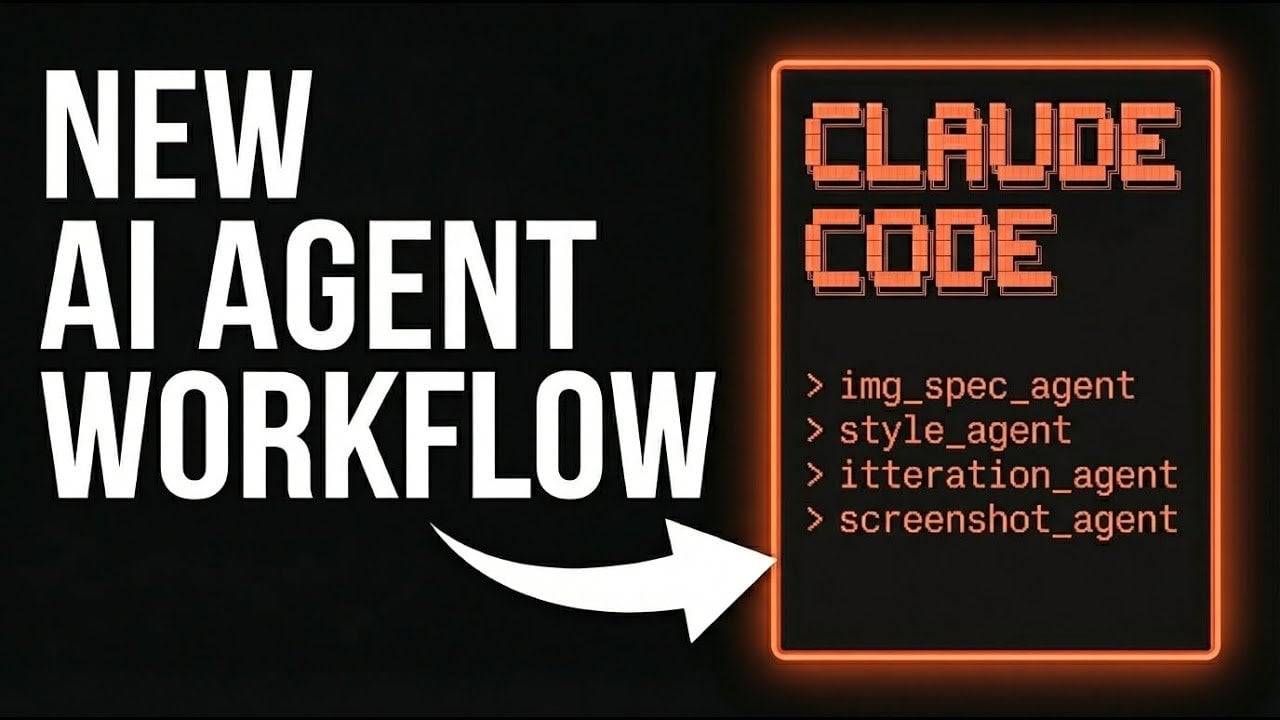
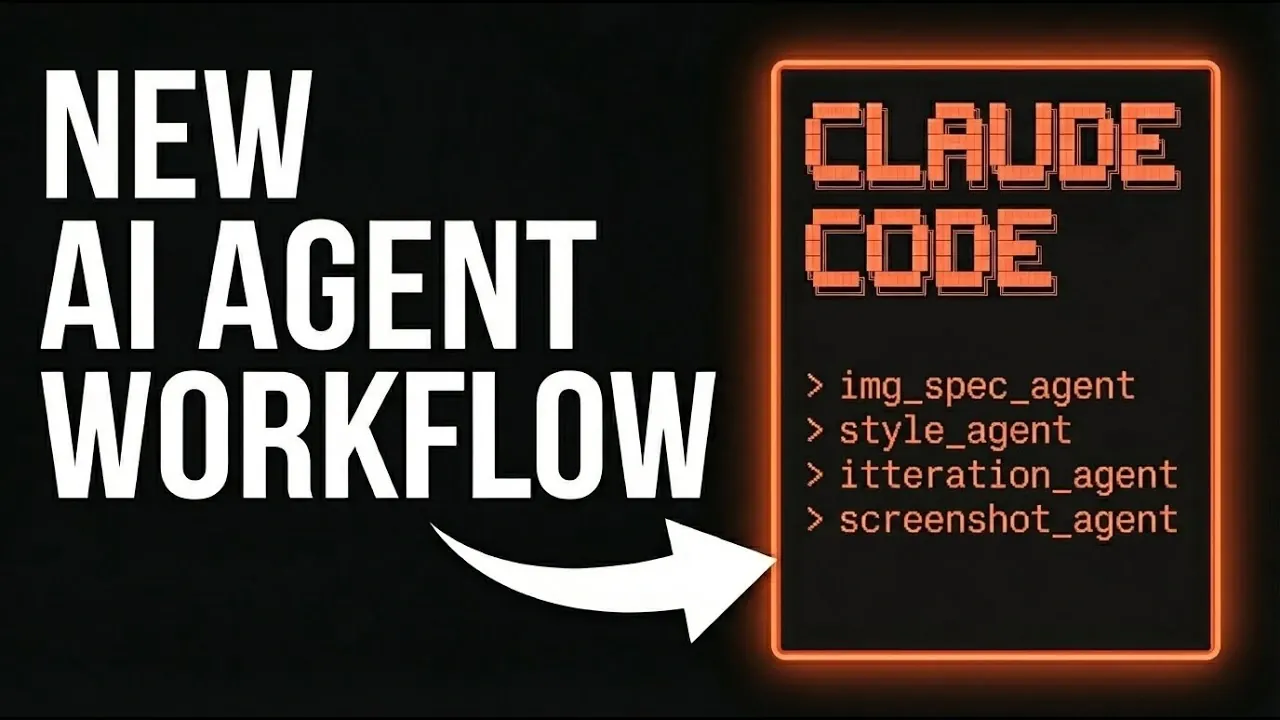
- Image Generator: Develops a visual blueprint for the page layout and design.
- Style Agent: Creates custom assets inspired by reference files to align with a specific art style.
- Screenshot Agent: Captures snapshots of the page’s progress and provides actionable feedback for improvement.
- Iteration Agent: Refines the page by addressing errors, implementing feedback, and enhancing functionality.
This structured workflow ensures that all design elements and assets are seamlessly integrated, resulting in a cohesive and visually engaging final product.
The Role and Contributions of Each Subagent
Each subagent plays a critical role in the development process, contributing unique expertise to ensure the page’s quality and functionality.
- Image Generator: This subagent establishes the foundation by creating a visual specification. It defines key elements such as the page layout, skill tree integration, and navigation links, making sure a clear starting point for development.
- Style Agent: Using inspiration files, this subagent designs custom assets like background images, skill icons, and rage bars. These assets are tailored to the guide’s theme, enhancing its visual appeal and coherence.
- Screenshot Agent: By capturing snapshots of the page at various stages, this subagent allows you to monitor progress, evaluate design choices, and identify areas for improvement.
- Iteration Agent: This subagent focuses on refining the page by addressing errors, incorporating feedback, and enhancing both design and functionality. It ensures that the final product meets high standards of quality and usability.
Together, these subagents form a cohesive system that simplifies the development process while maintaining a high standard of quality.
Image to Code : AI Subagents in Claude Code

Stay informed about the latest in Claude Code by exploring our other resources and articles.
- Claude Code Workflow for Faster PRs, Tests, and Parallel Tasks
- How to Install Claude Code on Windows Using Ubuntu
- How to Build Custom AI Agents with Claude Code SDK
- New Claude Code 2.0 Agentic AI Coding Agent : The Secret
- Claude Code AI Coding Workflow : Haiku to Run, Sonnet 4.5 to Plan
- Stop Wasting Tokens: Optimize Claude Code Like a Pro
- Guide to Installing Claude Code on Windsurf and Cursor
- Claude Code : Building Beautiful Websites, Seamless & Engaging
- How to Install Claude Code in 5 Minutes : Beginner Guide 2025
- How to use Claude Code Web For Software Development in 2025
Custom Asset Creation and Seamless Integration
A standout feature of this workflow is its emphasis on custom asset generation. The style agent uses inspiration files to produce visuals that are uniquely tailored to the guide’s theme. These assets include:
- Background Images: Set the tone and atmosphere of the page, creating an immersive experience.
- Skill Icons: Provide visual clarity and highlight key abilities within the guide.
- Rage Bars: Add dynamic, interactive elements that enhance the user experience.
The integration of these assets follows an iterative process. For instance, the skill tree begins as a basic layout and evolves into a fully interactive feature. Navigation links are added to improve usability, while animations and gear visuals bring the guide to life. This step-by-step approach ensures that every element is both functional and visually cohesive, resulting in a polished final product.
The Importance of Iterative Development
At the core of this workflow lies iterative development, a process that focuses on refining the page through multiple development loops. Each iteration addresses errors, incorporates new features, and enhances design elements to achieve a high-quality outcome.
- Early Iterations: Concentrate on structural elements such as layout, navigation, and basic functionality.
- Later Iterations: Focus on fine-tuning visual details and completing complex features, such as the skill tree and interactive elements.
Feedback loops are integral to this process. By evaluating the page’s progress at each stage, you can make informed decisions about adjustments and improvements. This ensures that the final product meets both aesthetic and functional requirements, delivering a user-friendly and visually engaging experience.
The Final Outcome
The end result of this workflow is a comprehensive and visually appealing build guide for Path of Exile 2. This guide includes:
- Custom visuals that align with the game’s theme, creating an immersive experience for users.
- Detailed skill information and gear recommendations to assist players effectively.
- A polished, user-friendly layout with interactive features that enhance usability and engagement.
This structured approach demonstrates the potential of AI subagents to create dynamic, high-quality content efficiently, making it an invaluable tool for web development projects.
Key Advantages of AI Subagents in Web Development
The integration of AI subagents in Claude Code offers several significant benefits for web development. By automating repetitive tasks and providing iterative feedback, these tools enable you to focus on creativity and design. Key advantages include:
- Efficiency: Automating routine tasks reduces time and effort, allowing for faster project completion.
- Customization: Inspiration-driven styling ensures a unique and cohesive visual theme tailored to your project’s needs.
- Quality Assurance: Iterative development guarantees a polished and functional final product that meets high standards.
Whether you’re creating a guide for a game or designing other types of dynamic content, this approach represents a powerful and efficient solution. By combining AI-driven tools with a structured workflow, you can achieve results that are both innovative and professional, setting a new standard for web development.
Media Credit: All About AI
Latest Geeky Gadgets Deals
Disclosure: Some of our articles include affiliate links. If you buy something through one of these links, Geeky Gadgets may earn an affiliate commission. Learn about our Disclosure Policy.