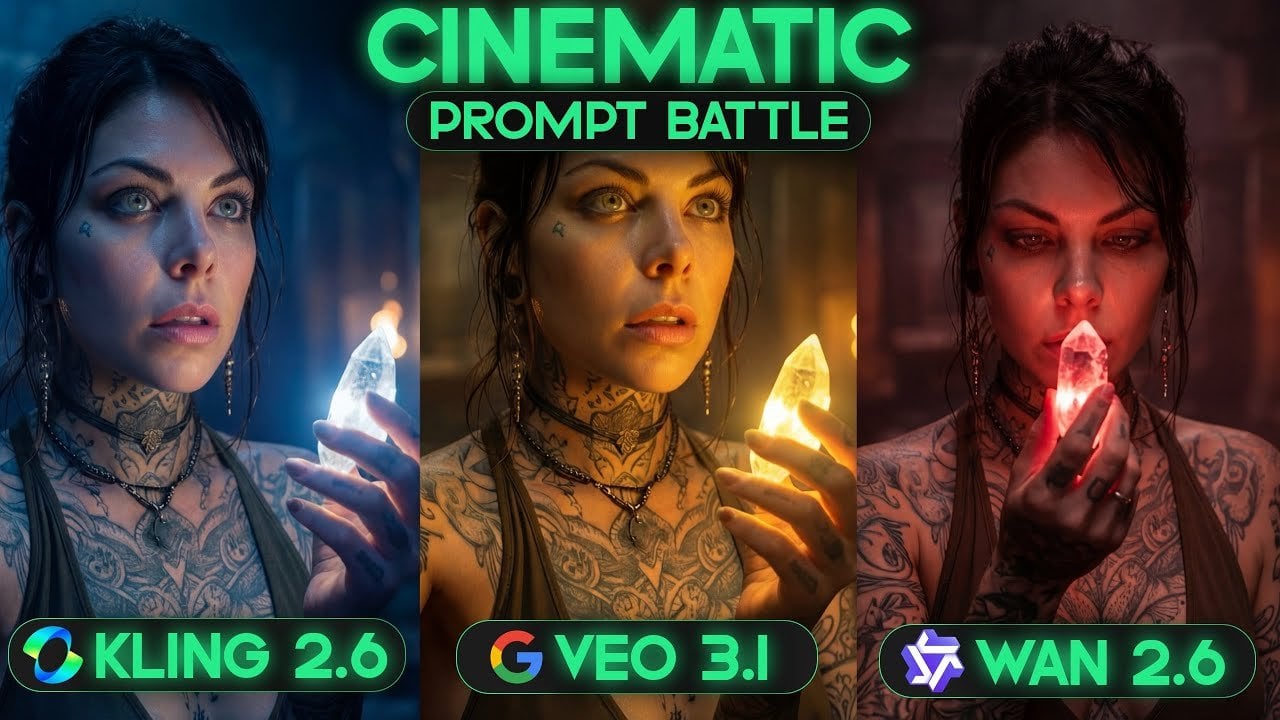
Kling 2.6 vs Veo 3.1 vs WAN 2.6 : AI Video Quality Compared
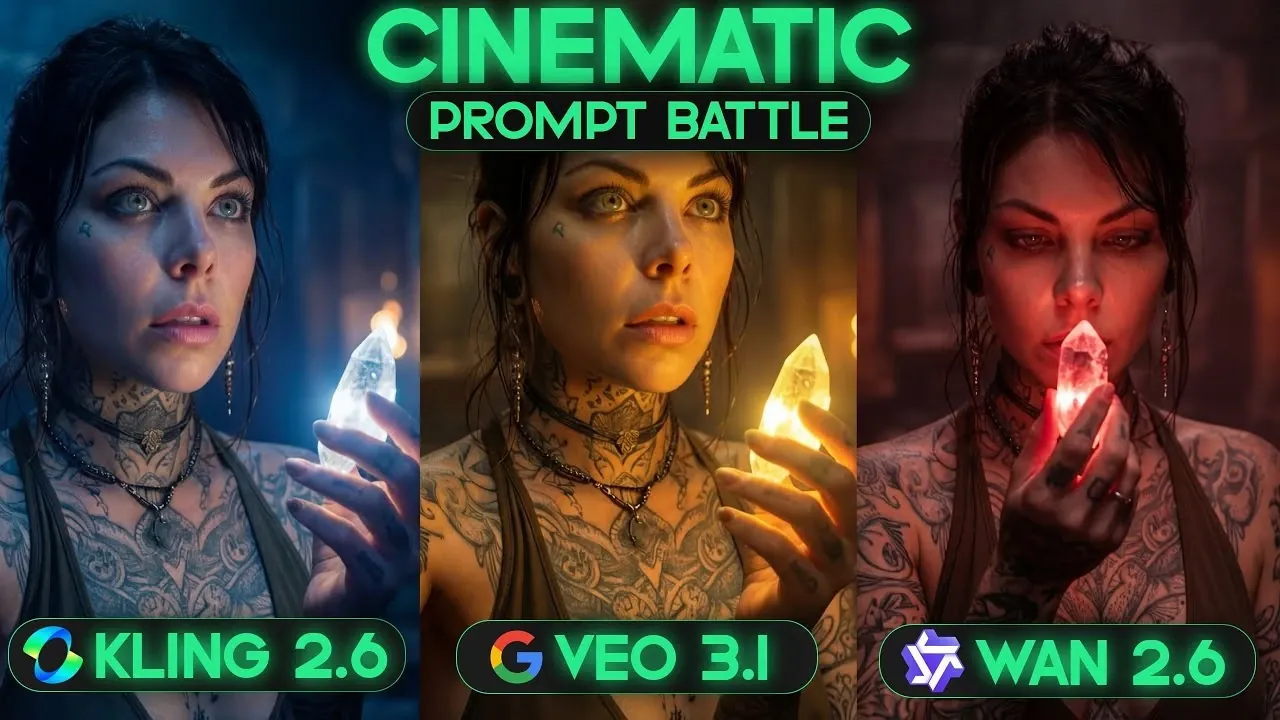
What makes an AI video model truly stand out? Is it the lifelike speech synthesis, the cinematic visuals, or the seamless lip synchronization that brings characters to life? Below CyberJungle breaks down the performance of three leading AI video generation models, Kling 2.6, Veo 3.1, and WAN 2.6, each vying for dominance in this rapidly evolving field. From Kling’s stunning visuals to Veo’s natural character interactions and WAN’s dynamic pacing, this comparison highlights both the exciting possibilities and the unique challenges these models bring to the table. Whether you’re an indie creator or a seasoned professional, understanding these differences is key to unlocking the full potential of AI-driven storytelling.
This comprehensive report examines how these models perform across critical areas like speech synthesis, visual rendering, and cinematic quality. Which one excels at crafting emotionally resonant characters? Which struggles with audio clarity or texture consistency? And most importantly, which model aligns best with your creative vision? CyberJungle’s analysis goes beyond technical details, exploring real-world applications to provide actionable insights. By the end, you’ll have a deeper understanding of how each model balances brilliance and imperfection, offering new possibilities for the future of AI-powered media.
AI Video Models Quick Comparison
TL;DR Key Takeaways :
- AI video generation is transforming content creation, with Kling 2.6, Veo 3.1, and WAN 2.6 offering distinct strengths in areas like speech synthesis, visual rendering, and cinematic quality.
- Kling 2.6 excels in visual fidelity and cinematic rendering but struggles with natural speech synthesis and character movement fluidity.
- Veo 3.1 is the best choice for natural performances, precise lip synchronization, and lifelike body language, though it occasionally faces issues with camera angles and dialogue duplication.
- WAN 2.6 prioritizes dynamic pacing and natural-sounding speech but falls short in visual consistency, audio clarity, and overall quality compared to its competitors.
- Freepik complements AI video generation by offering tools like image-to-video conversion, inpainting, and upscaling technology to enhance workflow efficiency and video quality.
Strengths & Weaknesses
Each model offers distinct advantages, but their performance varies depending on the specific requirements of a project. Below is a concise breakdown of their core strengths and limitations:
- Kling 2.6: Known for its exceptional visual fidelity, Kling 2.6 excels in areas like lighting, rendering, and maintaining character coherence. However, its speech synthesis lacks the natural flow found in other models, and its character movements can appear rigid. This model is ideal for projects where visual quality takes precedence over nuanced character performances.
- Veo 3.1: Veo 3.1 stands out for its natural speech pacing, precise lip synchronization, and lifelike body language. Its attention to micro-acting details, such as subtle gestures and eye movements, makes it a top choice for character-driven narratives. However, occasional issues with camera angles and rare instances of dialogue duplication may arise.
- WAN 2.6: WAN 2.6 offers dynamic pacing and natural-sounding speech in specific scenarios but struggles with inconsistent textures, overly synthetic visuals, and weaker audio clarity. It is best suited for projects where pacing is a priority, though it falls short in overall quality compared to its competitors.
Performance Breakdown by Use Case
To determine which model is best suited for your project, it’s essential to evaluate their performance across various use cases. Here’s a closer look at how each model performs in specific scenarios:
- Monologues and Dialogues: Kling 2.6 provides consistent framing and character coherence, making it a reliable choice for scripted content. However, Veo 3.1 surpasses it with its natural pacing and superior lip synchronization, resulting in more engaging and realistic performances.
- ASMR and Sound Effects: Both Kling 2.6 and Veo 3.1 deliver high-quality audio clarity, which is crucial for ASMR and sound-focused projects. WAN 2.6, on the other hand, struggles with audio inconsistencies, making it less dependable for sound-intensive applications.
- Singing and Music: Veo 3.1 outperforms its competitors in musical applications due to its advanced speech synthesis and precise timing. Kling 2.6 and WAN 2.6 fail to achieve the same level of realism and synchronization required for singing performances.
- Cinematic Rendering: Kling 2.6 excels in visual quality, offering superior lighting effects and cinematic appeal. Veo 3.1 compensates with more natural character performances, making it a better fit for emotionally driven or character-focused scenes.
Kling 2.6 vs Veo 3.1 vs WAN 2.6 : Ultimate AI Video Comparison
Find more information on AI video generation by browsing our extensive range of articles, guides and tutorials.
- OpenAI Sora AI Video Generator Review: Features and Pricing
- Sora 2 Pro vs Veo 3.1: Which AI Video Generation Tool Is Better
- Runway Gen 4 Review: How It Redefines AI Video Generation
- Discover the Power of PIKA 1.5: AI Video Generation
- Advancements in AI Video Generation & Consistent Characters
- Kling 2.1 Review: Affordable AI Video Generation vs Google Veo 3
- Sora AI Video Generator Review : Features, Benefits & Limitations
- Kling AI video generator launches first impressions and hands-on
- Alibaba WAN 2.5 AI Video Generator Combines Visuals & Sound in
- Top AI Video Generators Compared: Google VEO 2, Kling 1.6
Enhancing Workflow with Freepik
For creators seeking to optimize their workflows, platforms like Freepik provide valuable tools that complement AI video generation. By integrating with models such as Kling 2.6, Veo 3.1, and WAN 2.6, Freepik enhances the creative process with features designed to improve efficiency and quality. Key functionalities include:
- Image-to-Video Conversion: Transform static images into dynamic video content quickly and effortlessly, reducing production time.
- Inpainting Tools: Refine video frames by correcting imperfections or seamlessly adding new elements, making sure a polished final product.
- Upscaling Technology: Enhance the resolution and realism of your videos, delivering professional-grade results that meet high-quality standards.
Freepik’s versatility makes it an indispensable resource for creators aiming to adapt to diverse project requirements while maintaining a streamlined workflow.
Choosing the Right Model for Your Needs
Selecting the most suitable AI video generation model depends on your project’s specific priorities. If your primary focus is on achieving exceptional visual fidelity and consistent framing, Kling 2.6 is a strong contender. For creators prioritizing natural performances, detailed character interactions, and lifelike body language, Veo 3.1 emerges as the standout choice. While WAN 2.6 may lack the versatility of its competitors, it remains a viable option for projects that emphasize pacing over realism.
By incorporating tools like Freepik into your workflow, you can further enhance your creative capabilities, seamlessly integrating multiple AI tools to achieve your vision. With the right combination of technology and strategy, you can elevate your content creation process, producing videos that captivate and engage your audience.
Media Credit: CyberJungle
Latest Geeky Gadgets Deals
Disclosure: Some of our articles include affiliate links. If you buy something through one of these links, Geeky Gadgets may earn an affiliate commission. Learn about our Disclosure Policy.