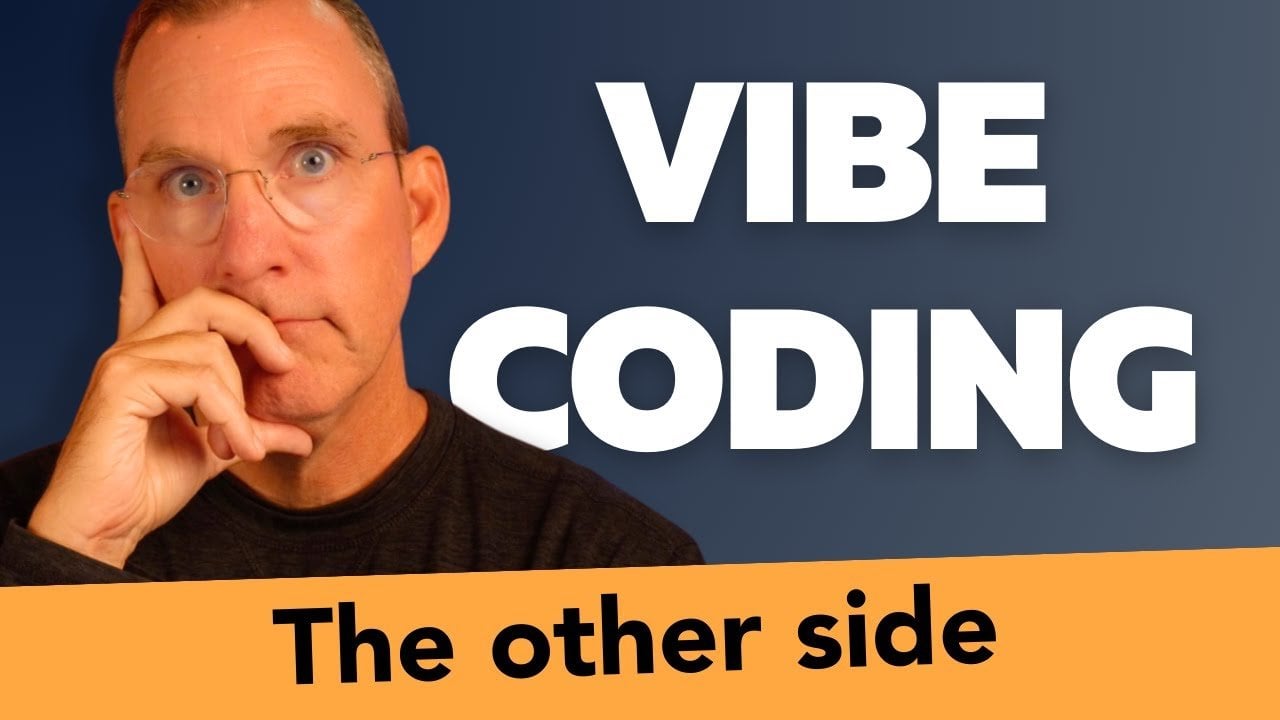
How Vibe Coding Helps You Move Beyond the 70 Percent Hurdle and Build Tools for Daily Life
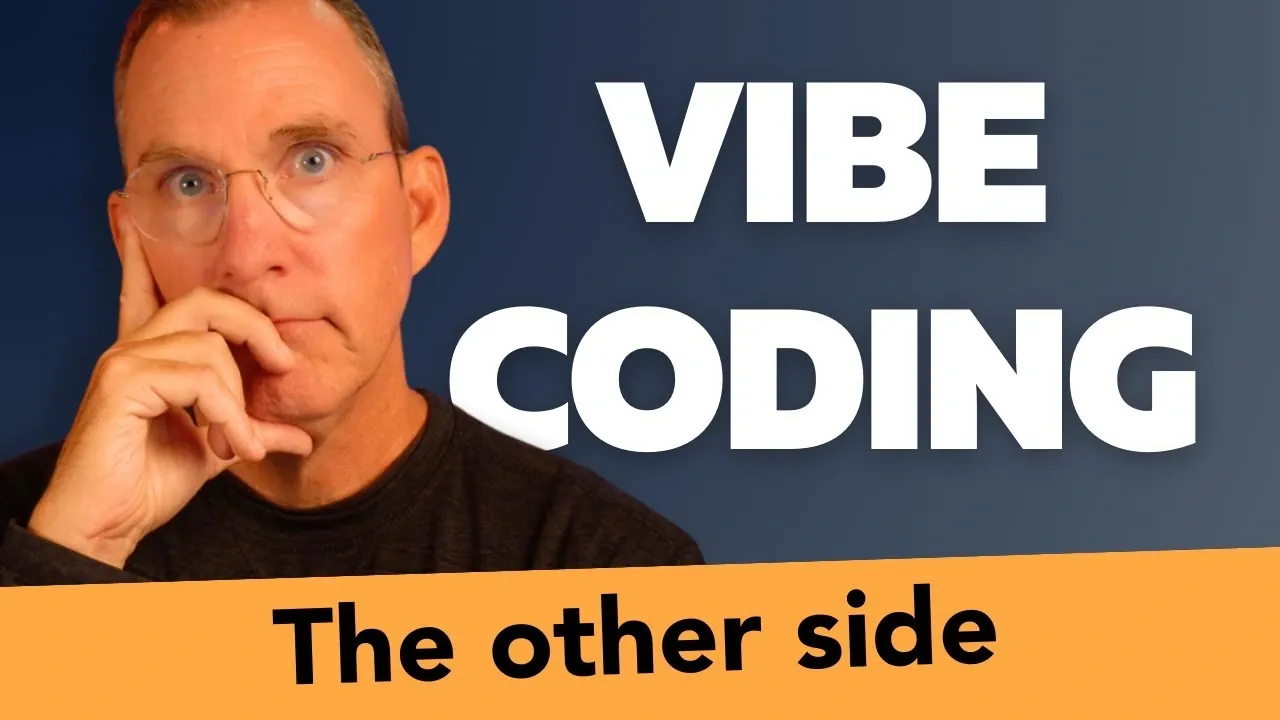
What if you could write functional code without memorizing syntax, debugging endlessly, or even being a seasoned programmer? In this walkthrough, Matt Maher shows how vibe coding, a concept that once seemed like a quirky experiment, has evolved into a fantastic way to approach software development. By combining natural language prompts with AI-driven programming, vibe coding opens the door to creating apps, automating workflows, and exploring new ideas with minimal technical expertise. But as exciting as it sounds, this method isn’t without its hurdles. The dreaded “70% wall,” where initial progress grinds to a halt, is a challenge many face. Yet, as Maher demonstrates, pushing past this barrier can unlock not just better results, but a deeper understanding of how to collaborate with AI effectively.
Through this guide, you’ll discover how vibe coding can make programming more intuitive and accessible, whether you’re a curious beginner or a seasoned developer looking to streamline your workflow. From crafting habit-tracking apps to integrating advanced AI features into existing systems, the possibilities are vast, and surprisingly practical. Along the way, you’ll learn how to navigate common obstacles, like incomplete results or stalled progress, and turn them into opportunities for growth. If you’ve ever wondered how AI could reshape the way we build software, this explainer offers a glimpse into a future where creativity and technology merge seamlessly.
What is Vibe Coding?
TL;DR Key Takeaways :
- Vibe coding, introduced by Andrej Karpathy, uses AI and natural language processing to generate functional code, making programming more accessible to non-experts.
- The “70% wall” is a common challenge where initial progress stalls, but overcoming it fosters skill development, resilience, and more sophisticated applications.
- Tools like OpenAI’s Codec, Anthropic’s Claude Code, and Gemini CLI simplify vibe coding, allowing both beginners and professionals to focus on creativity and problem-solving.
- Real-world applications of vibe coding include habit-tracking apps, subscription platforms, and AI-enhanced software, showcasing its versatility for personal and professional use.
- Advancements in AI tools and techniques, such as real-time collaboration and advanced debugging, are expanding vibe coding’s potential, making it a valuable skill for modern software development.
At its essence, vibe coding uses natural language processing (NLP) and AI models to generate functional code from plain language prompts. Initially perceived as a playful way to experiment with AI, it has matured into a legitimate engineering practice. Tools such as OpenAI’s Codec and Anthropic’s Claude Code empower you to focus on creativity and problem-solving rather than technical syntax, making programming more intuitive and accessible.
For beginners, vibe coding serves as a gateway to software development by lowering the entry barrier. Browser-based platforms and command-line interfaces (CLI), such as Gemini CLI, provide user-friendly environments for experimentation. These tools allow you to explore programming concepts without requiring extensive prior knowledge. For professional engineers, vibe coding offers the opportunity to integrate advanced AI-driven techniques into their workflows, enhancing productivity and fostering innovation.
The “70% Wall”: A Common Challenge
One of the most significant challenges in vibe coding is the “70% wall.” This term describes the point where initial enthusiasm diminishes as projects encounter roadblocks, such as incomplete features, bugs, or unsatisfactory results. For example, you might begin developing a habit-tracking app with basic functionality like local data storage and progress tracking, only to struggle with refining the user interface or implementing advanced features like cloud synchronization.
Rather than viewing this as a failure, the 70% wall should be seen as an opportunity for growth. By pushing through this barrier, you can refine your skills, learn new techniques, and develop more sophisticated applications. Incremental progress is essential, each iteration brings you closer to mastering the tools and concepts that define vibe coding. This process not only enhances your technical abilities but also builds resilience and problem-solving skills, which are invaluable in software development.
Vibe Coding : From Party Trick to Real Tool
Explore further guides and articles from our vast library that you may find relevant to your interests in Vibe Coding.
- Correct Your Vibe Coding Errors with Shotgun Code
- How Warp and AI Are Improving Developer Tools with Vibe Coding
- Google AI Studio Vibe Coding Update Adds Gemini AI Model
- What is Vibe Coding? A Beginner’s Guide to AI App Development
- Vibe Coding Challenges and Advantages: A Guide to AI Dev
- Vibe Coding Fundamentals : Unlock Your Creativity with AI Coding
- Vibe Coding PRO: The Ultimate Framework for AI Coding
- Vibe Coding For Beginners : No Coding Skills? No Problem!
- Free Vibe Coding Tool From Google : Say Goodbye to Expensive
- How to Build a Custom AI Vibe Coding Platform with Cloudflare
Real-World Applications of Vibe Coding
Vibe coding offers a wide range of applications, from simple projects to complex systems. Its versatility makes it suitable for both personal and professional use. Some practical examples include:
- Habit-Tracking Tools: Develop apps to monitor activities such as hydration, meditation, or exercise. These applications often feature local data storage, progress tracking, and user-friendly interfaces, making them accessible to a broad audience.
- Subscription-Based Platforms: Build scalable systems with functionalities like user authentication, payment processing, and AI-driven personalization to enhance user experiences.
- AI Integration: Enhance existing software by incorporating AI capabilities, such as natural language understanding, predictive analytics, or automated decision-making.
Whether you are a hobbyist exploring creative ideas or a professional tackling complex challenges, vibe coding provides the flexibility to tailor solutions to your specific needs. Its ability to bridge the gap between creativity and technical implementation makes it a valuable tool in modern software development.
Advancements in Tools and Techniques
The rapid evolution of AI models and programming tools has significantly expanded the potential of vibe coding. Leading platforms like OpenAI’s Codec and Anthropic’s Claude Code excel at translating natural language prompts into functional code, allowing you to focus on the conceptual aspects of programming. Meanwhile, tools like Gemini CLI offer lightweight and accessible environments for experimentation, making it easier to get started.
For advanced users, subscription-based software solutions provide additional capabilities that enhance the development process. These include:
- Real-Time Collaboration: Work seamlessly with team members on shared projects, improving efficiency and communication.
- Advanced Debugging Tools: Streamline troubleshooting by identifying and resolving issues more effectively.
- Integration with Development Environments: Connect vibe coding tools with other software development platforms to create seamless workflows.
These advancements not only simplify the development of complex projects but also open up new possibilities for innovation. By using these tools, you can tackle more ambitious challenges and achieve greater efficiency in your work.
Getting Started with Vibe Coding
If you are new to vibe coding, the best way to begin is by exploring free or low-cost tools. Browser-based platforms and Gemini CLI provide intuitive interfaces and straightforward functionality, making them ideal for beginners. These tools allow you to experiment with basic projects, such as simple calculators or habit trackers, helping you build confidence in your skills.
As you gain experience, you can transition to more advanced tools that offer features like real-time collaboration, enhanced AI capabilities, and integration with professional development environments. For professionals, incorporating vibe coding into your workflow can streamline processes, reduce development time, and enable innovative solutions that set you apart in a competitive industry.
Overcoming Challenges and Looking Ahead
Persistence is a critical factor in mastering vibe coding. While the 70% wall can be discouraging, it also represents a valuable learning opportunity. By focusing on incremental progress and using available resources, you can transform initial efforts into impactful solutions. Each challenge you overcome strengthens your understanding of the tools and techniques involved, preparing you for more complex projects in the future.
The future of vibe coding is promising. As AI and programming tools continue to advance, this approach is poised to become a foundational skill in software development. Whether you are a hobbyist exploring creative possibilities or a professional seeking to innovate, embracing vibe coding can position you at the forefront of this rapidly evolving field. By adopting this approach, you can create, innovate, and solve real-world problems with greater efficiency and creativity, making sure your relevance in an increasingly AI-driven world.
Media Credit: Matt Maher
Latest Geeky Gadgets Deals
Disclosure: Some of our articles include affiliate links. If you buy something through one of these links, Geeky Gadgets may earn an affiliate commission. Learn about our Disclosure Policy.