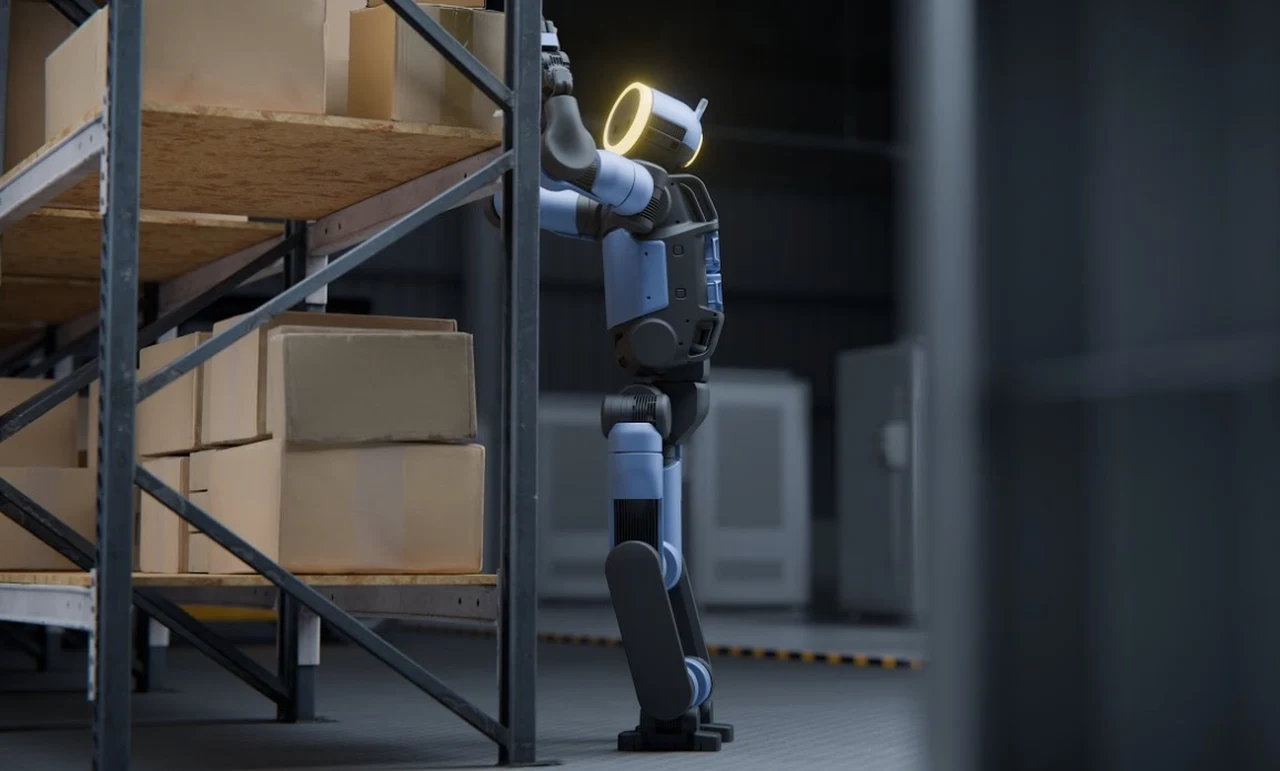
Boston Dynamics Atlas Unveils New Factory Ready Humanoid Robot at CES 2026
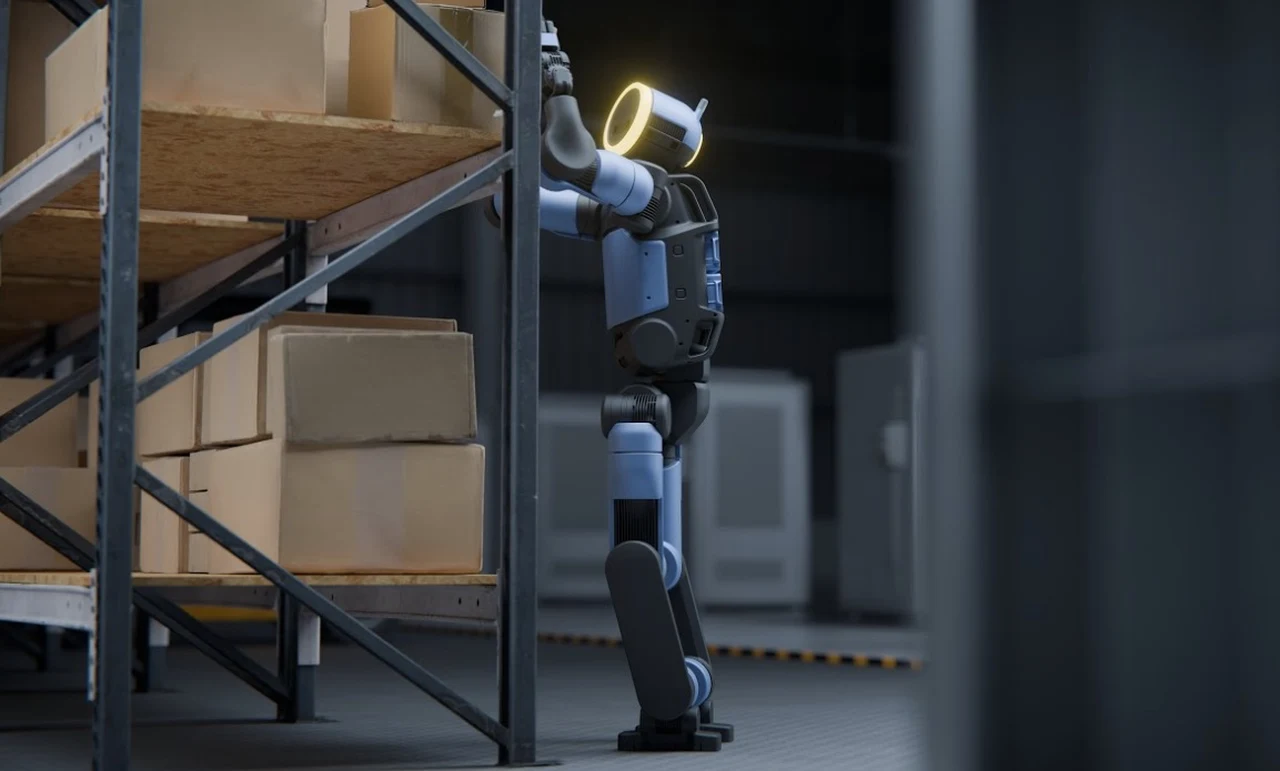
What if the line between human and machine is starting to blur? Boston Dynamics’ latest unveiling at CES 2026, the new Atlas, is more than just a technological marvel, it’s a bold step toward a future where humanoid robots seamlessly integrate into our daily lives. Unlike its earlier versions, which dazzled audiences with parkour stunts and agility, this iteration of Atlas is designed for practical, industrial applications, tackling real-world challenges with precision and reliability. From lifting heavy loads to navigating complex environments, this robot isn’t just mimicking human behavior, it’s redefining what machines can do in environments built for people.
In this launch overview, we’ll explore how Atlas has evolved from a flashy prototype into a versatile workhorse poised to transform industries like manufacturing and logistics. With features like autonomous battery replacement, heavy load handling, and AI-driven decision-making, this robot is more than a glimpse into the future, it’s a tangible step toward it. But what does this mean for the workforce, safety standards, and the broader role of robotics in society? As Boston Dynamics pivots toward real-world functionality, the implications of this leap forward are as fascinating as they are complex.
Atlas Robot Transformed
TL;DR Key Takeaways :
- Boston Dynamics unveiled the new Atlas humanoid robot at CES 2026, designed specifically for practical industrial applications, marking a shift from agility demonstrations to real-world functionality.
- The robot features enhanced durability, including water-resistant construction, autonomous battery replacement, and the ability to handle heavy loads up to 50 kilograms, making it ideal for manufacturing and logistics tasks.
- Atlas offers flexible operational modes, including autonomous functionality, remote control, and tablet-based management, allowing seamless integration into diverse industrial workflows.
- Advanced AI capabilities, developed with Google DeepMind, empower Atlas with object recognition, navigation in complex environments, and real-time decision-making for intelligent automation.
- Boston Dynamics is adopting a phased deployment strategy, starting in 2026, to ensure reliability and safety, with plans to expand Atlas’s applications to healthcare, logistics, and public services in the future.
From Showpiece to Workhorse
The new Atlas represents a clear departure from its predecessors, transitioning from a platform for agility demonstrations to a functional tool designed to address real-world challenges. Its development focuses on industries that require repetitive, physically demanding tasks, such as manufacturing and logistics. By prioritizing operational reliability and safety, Boston Dynamics aims to position Atlas as a viable solution for industrial automation. This evolution aligns with Hyundai Motor Group’s broader vision of advancing robotics and artificial intelligence to create practical, scalable solutions for the future.
Built for Industrial Demands
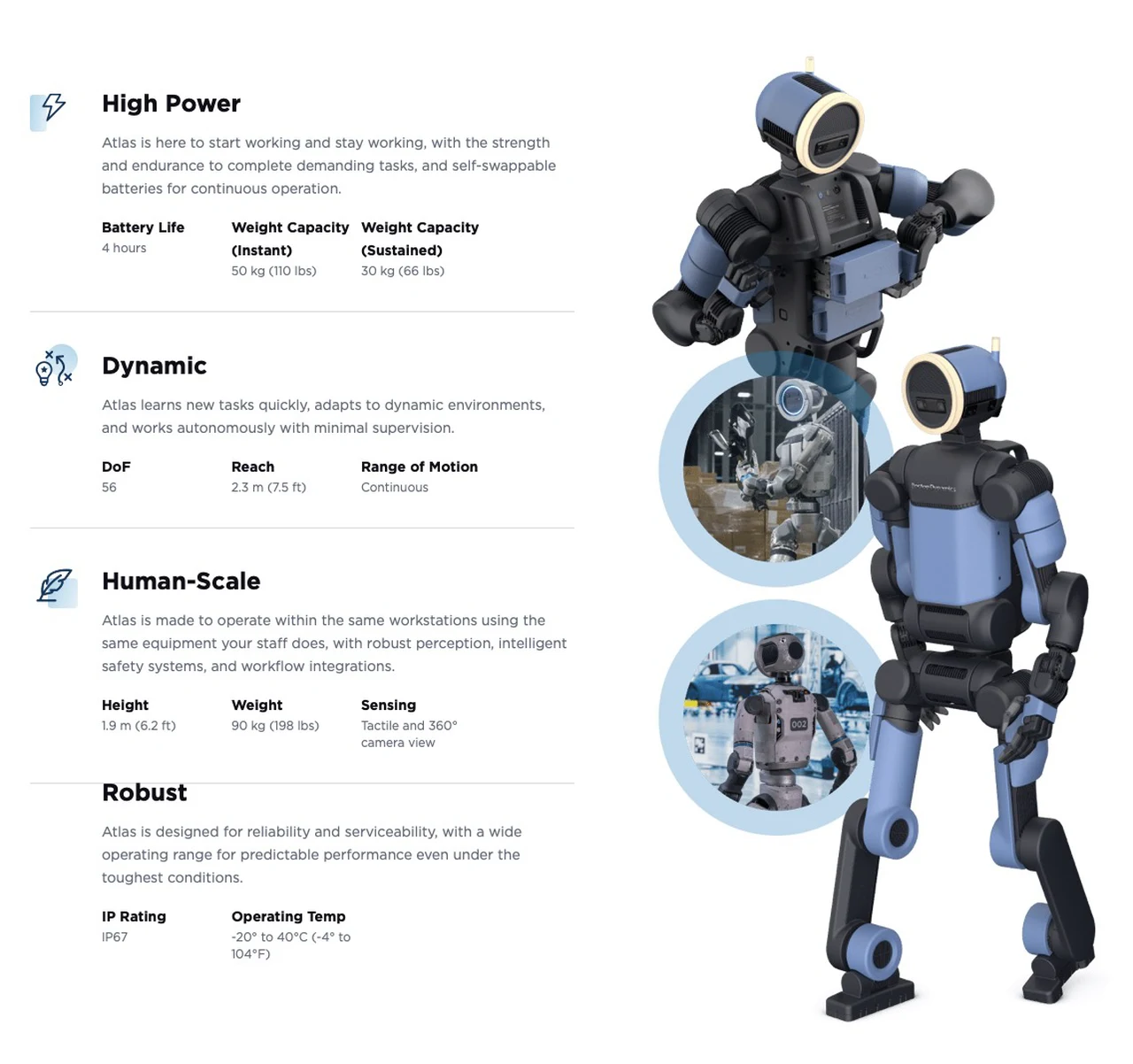
The latest iteration of Atlas has been carefully re-engineered to meet the rigorous demands of industrial environments. Several key design improvements have been introduced to enhance its durability and functionality:
- Durable protective panels and water-resistant construction to withstand harsh conditions commonly found in factories and warehouses.
- Autonomous battery replacement systems to minimize downtime and maximize operational efficiency.
- Heavy load handling capabilities, allowing the robot to lift up to 50 kilograms, which is essential for tasks such as material handling and assembly line operations.
These enhancements make Atlas a robust and reliable tool for industries where efficiency and precision are critical. By addressing the specific needs of manufacturing and logistics sectors, Boston Dynamics has positioned Atlas as a key player in the future of industrial automation.
Boston Dynamics Atlas at CES 2026
Gain further expertise in Boston Dynamics Atlas by checking out these recommendations.
- How Atlas Robot’s Mobility & Perception Are Transforming
- Atlas Humanoid Robot : Transforming Manufacturing and More
- Boston Dynamics Atlas robot demonstrates its skills
- Boston Dynamics Atlas Robot Walks And Jump Across Open Terrain
- Boston Dynamics bipedal robot Atlas
- Atlas humanoid robot receives upgrades from Boston Dynamics
- New Atlas Boston Dynamics fully electric humanoid robot unveiled
- How Boston Dynamics’ GR2 Gripper Redefines Robotic Dexterity
- Next Generation Atlas Robots Are Now Lighter, Smaller And More
- Humanoid Robots with AI Brains: The Next Frontier in Technology
Flexible Operational Modes
The new Atlas offers a variety of operational modes, making sure it can adapt to the diverse needs of industrial environments. These modes include:
- Autonomous functionality for independent execution of repetitive tasks, reducing the need for constant human oversight.
- Remote control capabilities for scenarios that require precision and adaptability in complex environments.
- Tablet-based management, providing a user-friendly interface for operators to monitor and control the robot’s activities.
This flexibility allows Atlas to seamlessly integrate into various workflows, whether it is performing repetitive tasks or collaborating with human workers. Its ability to adapt to different operational requirements makes it a versatile asset in the rapidly evolving landscape of industrial automation.
A Strategic Vision for Robotics
Atlas plays a central role in Hyundai Motor Group’s long-term robotics strategy, which envisions a phased deployment of humanoid robots across various industries. The company has outlined a deliberate plan for integrating Atlas into industrial processes:
- By 2028, Atlas will be deployed for parts sequencing in factories, streamlining production lines and improving efficiency.
- Subsequent phases will expand its capabilities to include component assembly and other high-repetition tasks, further enhancing its utility in manufacturing environments.
This gradual approach ensures that Atlas meets stringent safety and performance standards while building trust among potential users. Beyond industrial applications, Boston Dynamics envisions broader roles for Atlas in human-scale environments, such as healthcare support, logistics operations, and public services. These potential applications highlight the robot’s ability to complement human workers across a wide range of domains.
AI-Powered Intelligence
At the core of the new Atlas is its advanced artificial intelligence, developed in collaboration with Google DeepMind. This partnership has significantly enhanced the robot’s ability to perceive, learn, and make decisions in real-time. Key AI-driven capabilities include:
- Object recognition, allowing Atlas to identify and interact with various tools and materials efficiently.
- Navigation in complex environments, allowing it to move seamlessly through dynamic and cluttered spaces.
- Real-time decision-making, which helps the robot adapt to changing conditions and execute tasks with precision.
These advancements address longstanding software limitations in robotics, positioning Atlas as a leader in intelligent industrial automation. By combining innovative AI with robust hardware, Boston Dynamics has created a platform that is not only capable but also adaptable to the unpredictable nature of real-world environments.
Phased Deployment for Reliability
Boston Dynamics has adopted a cautious, phased approach to deploying the new Atlas, making sure that it meets the high standards required for industrial applications. Initial production, set to begin in 2026, will focus on testing and refining the robot in controlled environments. This strategy allows the company to:
- Validate Atlas’s performance under real-world conditions.
- Identify and address potential challenges before large-scale deployment.
- Build confidence among industrial users by demonstrating the robot’s reliability and safety.
By prioritizing a methodical rollout, Boston Dynamics aims to establish Atlas as a dependable partner in the workplace, capable of enhancing productivity while maintaining the highest standards of safety.
Shaping the Future of Robotics
The unveiling of the new Atlas at CES 2026 represents a pivotal step in the evolution of humanoid robotics. With its focus on practical applications, advanced AI integration, and durable design, Atlas is poised to redefine the role of robots in industrial settings. As part of Hyundai Motor Group’s broader robotics strategy, this latest iteration of Atlas offers a glimpse into a future where humanoid robots work alongside humans, enhancing productivity and efficiency across industries. Beyond its industrial potential, Atlas’s adaptability and intelligence suggest a future where robots play an integral role in everyday life, bridging the gap between human capabilities and technological innovation.
Media Credit: Boston Dynamics
Filed Under: AI, Technology News, Top News
Latest Geeky Gadgets Deals
Disclosure: Some of our articles include affiliate links. If you buy something through one of these links, Geeky Gadgets may earn an affiliate commission. Learn about our Disclosure Policy.