Why 2026 Is the Perfect Time to Build a Second Brain with Simple AI Tools
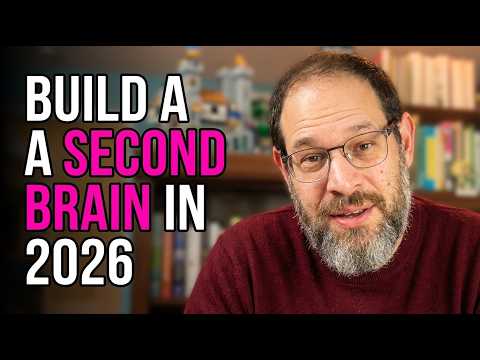
What if your brain wasn’t the only place where your ideas, tasks, and knowledge lived? What if you could create a system that not only remembers everything for you but also organizes and retrieves it exactly when you need it? Nate B Jones breaks down how 2026 is the year this becomes not just possible but essential. In his video, he explores the fantastic power of building an “AI second brain”, an external system designed to offload mental clutter and amplify your ability to focus on what truly matters. As AI evolves into an intuitive, ever-present assistant, the concept of a second brain is no longer a futuristic dream; it’s a practical solution to the overwhelming demands of modern life. And the best part? It’s accessible to anyone willing to embrace this shift.
In this guide, you’ll discover why 2026 is the perfect moment to start building your second brain and how it can redefine the way you manage information, make decisions, and unlock creativity. From reducing mental strain to fostering compounding knowledge, this system offers benefits that go far beyond productivity hacks. Imagine a life where your ideas are seamlessly captured, your tasks are effortlessly organized, and your focus is sharper than ever before. The possibilities are endless, but the journey begins with understanding how to design a system that works for you. Could this be the year you finally take control of the chaos?
Building Your AI Second Brain
TL;DR Key Takeaways :
- By 2026, AI-powered “second brains” have become practical tools for managing information, reducing mental strain, and enhancing focus on high-value tasks.
- A second brain addresses human cognitive limitations by offloading memory and organizational tasks to external systems, freeing mental capacity for creativity and decision-making.
- AI has transformed traditional productivity tools into dynamic, intelligent assistants that autonomously organize, classify, and retrieve information without constant user input.
- Key tools for building a second brain include Slack for quick idea capture, Notion for structured organization, Zapier for automation, and AI engines like Claude or ChatGPT for intelligent data processing.
- Benefits of a second brain include reduced mental clutter, improved focus, and the ability to build a growing repository of knowledge, making it an essential tool in today’s information-driven world.
Understanding the Limits of Human Cognition
Your brain is naturally adept at creativity, problem-solving, and critical thinking. However, it is less efficient when it comes to long-term memory storage and handling multiple streams of information simultaneously. Attempting to retain every task, idea, or detail often leads to cognitive overload, inefficiency, and stress. A second brain addresses these inherent limitations by offloading memory and organizational tasks to an external system. This approach frees up your mental capacity, allowing you to focus on decision-making, innovation, and other activities that truly matter.
The Evolution of Productivity Systems
Traditional productivity tools, such as to-do lists, calendars, and filing systems, were originally designed to compensate for the brain’s limitations. However, these tools often require consistent manual input and discipline, which can diminish their effectiveness over time. By 2026, AI has transformed these systems, transforming them from static tools into dynamic, intelligent assistants. AI-powered second brains actively organize, classify, and surface information without requiring constant user intervention. This evolution signifies a shift from passive information storage to proactive cognitive support, making productivity systems more intuitive and efficient.
Build Second Brain in 2026 : Simple Tools to Start and Keep It Going
Unlock more potential in second brain by reading previous articles we have written.
- How to Build an AI Second Brain with Notion & Claude Integration
- Create an AI second brain to increase your productivity
- Building a Second Brain with NotebookLM : Turn Raw Sources into
- Build a Second Brain with Kortex
- Best Productivity Apps for ADHD: Stay Focused and Organized
- How China’s Spiking Brain AI Model is 100x Faster & More Efficient
- ChatGPT: 5 Advanced Prompting Techniques Used By The Pros
- Step-by-Step Guide to Using Neo4j and n8n for Knowledge Graphs
- Best AI Prompts for Real Results in Research, Writing & More
- Flowtica Scribe AI Pen : An AI Assistant in Your Pocket
The Role of AI in Building a Second Brain
AI serves as the backbone of a second brain, automating tasks that were once time-consuming and repetitive. It can categorize emails, summarize meeting notes, and generate actionable insights from your data. For example, AI tools like Claude or ChatGPT can process your inputs, organize them into structured formats, and ensure they remain accessible when needed. These systems operate seamlessly in the background, maintaining order and efficiency even if you forget to update them manually. By integrating AI into your second brain, you can achieve a level of organization and productivity that was previously unattainable.
Essential Tools for Building a Second Brain
Creating an effective second brain requires a combination of tools that work together seamlessly. The following components are essential:
- Slack: A platform for capturing thoughts, ideas, and tasks quickly without disrupting your workflow.
- Notion: A versatile tool for organizing information into structured databases for projects, tasks, and more.
- Zapier: An automation tool that connects apps and ensures smooth data flow between systems.
- Claude or ChatGPT: AI engines that intelligently classify, summarize, and structure your data.
Key Features of a Second Brain
A well-designed second brain incorporates several critical features to ensure it meets your needs effectively:
- Capture: A simple, frictionless method for recording ideas and tasks, such as a dedicated Slack channel or mobile app.
- Classification: AI-driven systems that automatically sort and organize inputs into relevant categories.
- Automation: Automated workflows for tasks like reminders, routing, and summarization, saving you time and effort.
- Summarization: Regular summaries that provide actionable insights and keep you aligned with your goals.
- Error Handling: Easy-to-use correction mechanisms that maintain the system’s reliability and trustworthiness.
Design Principles for Scalable Systems
To build a second brain that is both scalable and reliable, adhere to the following principles:
- Adopt a single, consistent method for capturing inputs, such as using one app for all notes and ideas.
- Separate key functions, storage, processing, and user interaction, to reduce complexity and improve efficiency.
- Keep categories and fields minimal to avoid overwhelming the system and yourself.
- Design for easy restarts, making sure the system remains useful even after periods of inactivity.
- Incorporate trust mechanisms, such as audit trails or confidence scores, to enhance transparency and reliability.
The Benefits of a Second Brain
A second brain offers numerous benefits that can significantly enhance both your personal and professional life:
- Reduced Mental Clutter: By closing open loops and organizing your thoughts, you can alleviate stress and anxiety.
- Improved Focus: Stay on track with your tasks, projects, and relationships without losing momentum.
- Compounding Knowledge: Build on past insights and actions, creating a growing repository of valuable information.
Why 2026 Is the Perfect Time to Start
The tools and technologies available in 2026 make building a second brain more accessible than ever before. AI and automation have simplified the process, allowing anyone, regardless of technical expertise, to create a system that reduces cognitive burdens and enhances productivity. Whether you’re managing a business, pursuing creative endeavors, or simply staying organized, a second brain is an indispensable tool in today’s fast-paced, information-driven world.
In an era of constant information overload, a second brain is no longer a luxury, it’s a necessity. By starting now, you can unlock the full potential of your mind and navigate the complexities of modern life with clarity and confidence.
Media Credit: AI News & Strategy Daily
Latest Geeky Gadgets Deals
Disclosure: Some of our articles include affiliate links. If you buy something through one of these links, Geeky Gadgets may earn an affiliate commission. Learn about our Disclosure Policy.