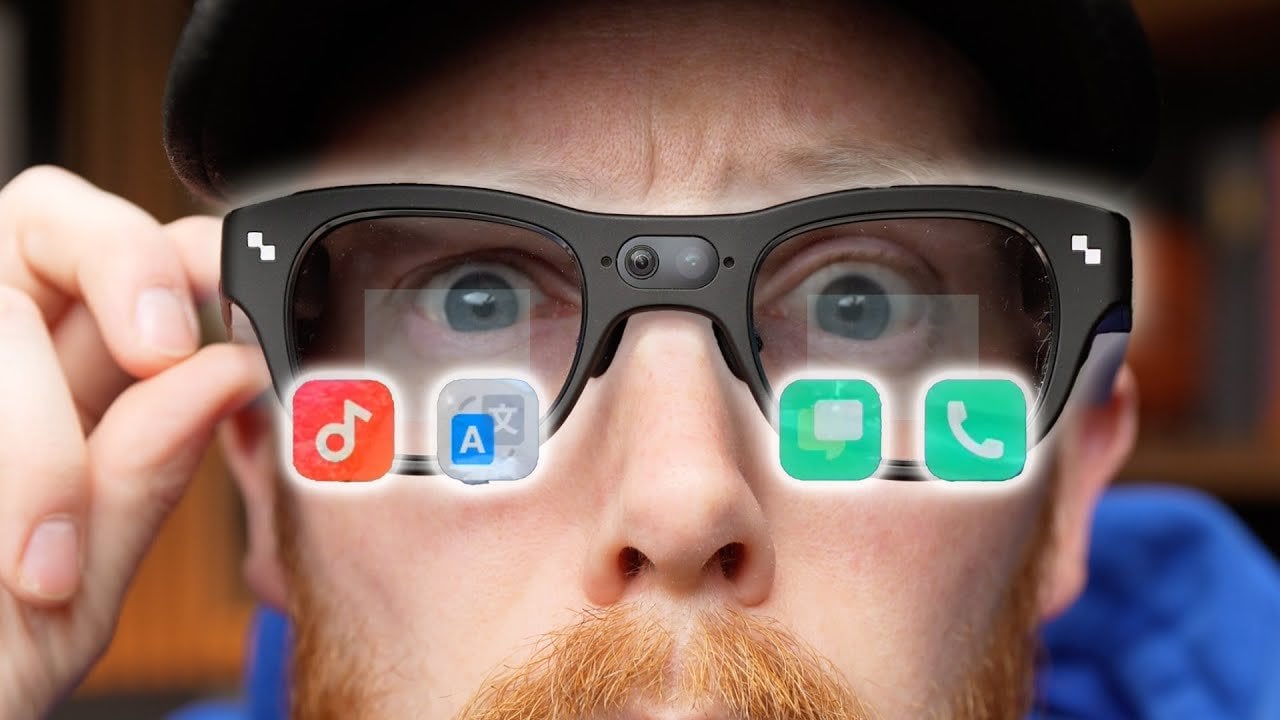
RayNeo X3 Pro vs Meta Display : AI Smart Glasses Compared
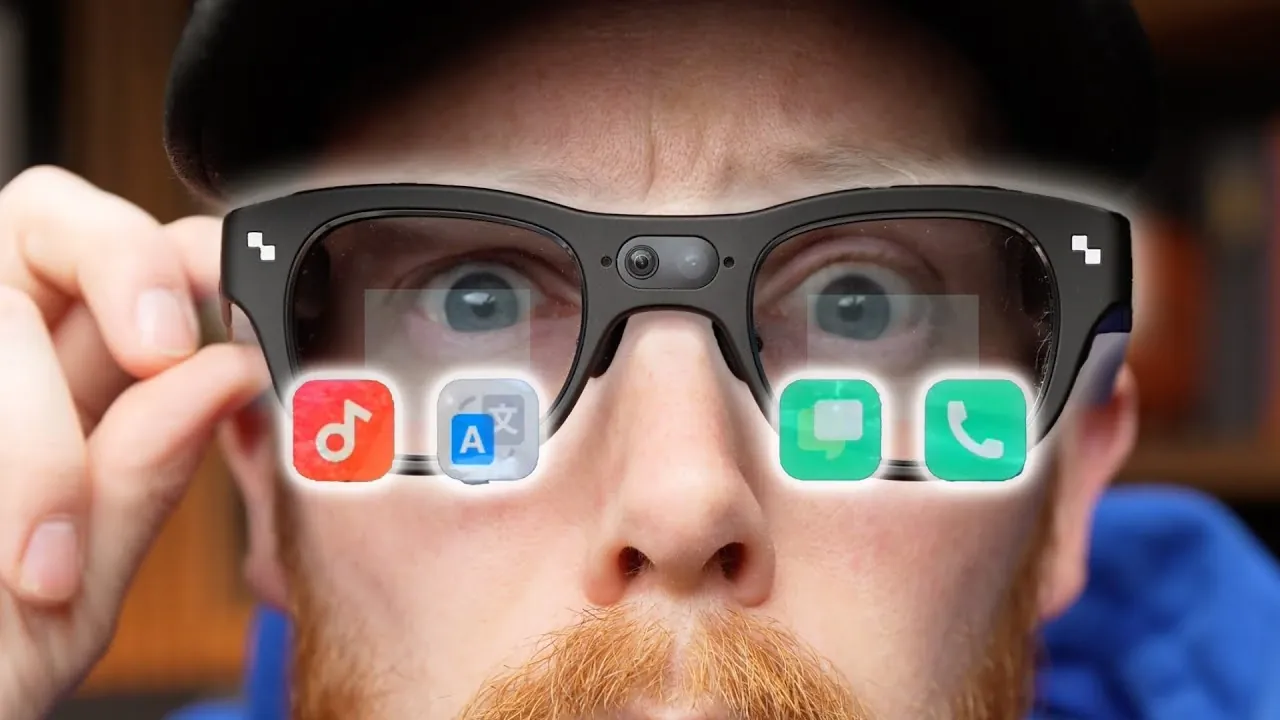
What if your next pair of glasses could do more than just improve your vision? Imagine navigating your day with augmented reality overlays, live translations, and immersive digital displays right in front of your eyes. In the video, Tech Fowler breaks down the battle between two of the most talked-about smart glasses on the market: the RayNeo X3 Pro and the Meta Ray-Ban Displays. While both promise to redefine how we interact with technology, their approaches couldn’t be more different. One focuses on innovative features and versatility, while the other leans into simplicity and ecosystem integration. But which one truly delivers on its promises?
This overview by will guide you through the key differences, from immersive visuals and app compatibility to control mechanisms and AR capabilities. Whether you’re a tech enthusiast seeking the latest in augmented reality or someone curious about how these devices fit into everyday life, there’s plenty to unpack. Are you drawn to the vibrant dual displays of the RayNeo X3 Pro or the streamlined design of the Meta Ray-Ban Displays? By the end, you’ll have a clearer sense of which smart glasses align with your needs, and maybe even a glimpse of what the future of wearable tech holds.
RayNeo vs Meta
TL;DR Key Takeaways :
- The RayNeo X3 Pro offers superior display technology with dual full-color displays simulating a 43-inch virtual screen, providing immersive visuals and enhanced color accuracy compared to the single display of the Meta Ray-Ban Displays.
- The RayNeo X3 Pro excels in AR capabilities with a central 3K camera and advanced features like object recognition, while the Meta Ray-Ban Displays focus on basic camera functionality for casual use.
- App compatibility is broader with the RayNeo X3 Pro, supporting Android apps like YouTube and TikTok, whereas the Meta Ray-Ban Displays are limited to Meta’s proprietary ecosystem, including WhatsApp and Instagram DMs.
- The RayNeo X3 Pro uses precise touchpad controls, while the Meta Ray-Ban Displays rely on gesture-based neural band controls, which may lack consistency and precision.
- Both models face battery life limitations, but the RayNeo X3 Pro stands out with additional features like live translation for 14 languages, screen recording, and full map navigation, making it a more versatile and feature-rich option.
Display Technology: Immersive Visuals vs. Simplicity
The RayNeo X3 Pro features dual full-color displays that simulate a 43-inch virtual screen, offering a vibrant and immersive viewing experience. Whether you’re streaming videos, exploring AR applications, or navigating digital tools, the larger and brighter displays provide a significant advantage. The enhanced color accuracy and screen size make it ideal for users who prioritize visual clarity and immersion.
In contrast, the Meta Ray-Ban Displays use a single display, which inherently limits screen size and functionality. While it offers basic visual capabilities, it falls short in delivering the same level of immersion and detail. If immersive visuals and a larger screen are essential to your experience, the RayNeo X3 Pro is the superior choice.
Camera Capabilities: Advanced AR Tools vs. Basic Functionality
The RayNeo X3 Pro is equipped with a central 3K camera, designed for high-quality photo and video capture. Additionally, a secondary camera enhances its AR capabilities, allowing features such as object recognition and interactive overlays. These tools make it an excellent option for AR enthusiasts and professionals seeking advanced spatial computing features.
On the other hand, the Meta Ray-Ban Displays focus on basic camera functionality, primarily for casual photo and video use. They lack the advanced AR tools found in the RayNeo X3 Pro, making them less suitable for users who want to explore the full potential of augmented reality. For those seeking innovative AR features, the RayNeo X3 Pro clearly leads the way.
RayNeo X3 Pro vs Meta Ray-Ban Display Smart Glasses
Advance your skills in smart glasses by reading more of our detailed content.
- Inmo Air 3 vs Viture Luma Ultra : Best Standalone Smart Glasses
- Meta Ray-Ban Smart Glasses: Features, Price, and Performance
- Xiaomi AI Smart Glasses Review: Features, Price & Performance
- Ray-Ban Meta Gen 2 vs Display : Which AI Smart Glasses Should
- Top 5 Smart Glasses Transforming Wearable Technology in 2025
- Inmo Air 3 Review: 30 Days with Standalone Smart Glasses
- Xiaomi AI Smart Glasses : Honest Review After 3 Weeks of Use
- Samsung’s Smart Glasses Will Transform Wearable Technology
- INMO Air 3 Smart Glasses Review, Android 14 Standalone
- Meta Display Smart Glasses Review: Are They Worth the $800 Price
App Compatibility: Flexibility vs. Ecosystem Integration
One of the standout features of the RayNeo X3 Pro is its broad app compatibility, supporting Android applications such as YouTube, TikTok, and more. This allows users to seamlessly integrate entertainment, productivity, and communication tools into their daily routines. The ability to access a wide range of apps enhances its versatility and makes it a comprehensive digital companion.
In comparison, the Meta Ray-Ban Displays are limited to Meta’s proprietary ecosystem, supporting apps like WhatsApp, Instagram DMs, and Facebook Messenger. While this integration may appeal to users already immersed in Meta’s digital environment, it restricts flexibility for those who prefer a more diverse app selection. If app diversity and broader functionality are priorities, the RayNeo X3 Pro offers a more expansive experience.
Control Mechanisms: Precision vs. Gesture Innovation
The RayNeo X3 Pro employs touchpads on both arms, providing an intuitive and precise method for navigating apps, adjusting settings, and interacting with content. This design ensures ease of use and reliability, catering to users who value straightforward control mechanisms.
In contrast, the Meta Ray-Ban Displays use a neural band for gesture-based controls. While this approach introduces an innovative way to interact with the device, it may lack the precision and consistency offered by the RayNeo X3 Pro’s touchpads. For users seeking reliable and precise controls, the RayNeo X3 Pro is the more practical option.
Battery Life: A Common Challenge
Both models face similar challenges in battery life, with usage times ranging from 30 minutes to 5 hours, depending on activity. The dual displays of the RayNeo X3 Pro, while impressive, may slightly impact its battery efficiency. Similarly, the Meta Ray-Ban Displays are constrained by current battery technology, limiting their usage for extended periods.
This shared limitation underscores the need for advancements in battery performance across the smart glasses industry. Regardless of which model you choose, managing battery usage will be essential for maximizing functionality.
Additional Features: Enhancing Everyday Utility
The RayNeo X3 Pro excels in offering a range of additional features that enhance its practicality. These include live translation for 14 languages, a teleprompter app, full map navigation, and screen recording capabilities. Such tools make it a versatile choice for both personal and professional use. High-resolution playback further adds to its appeal, positioning it as a comprehensive solution for modern smart glasses users.
In comparison, the Meta Ray-Ban Displays support live translation for only four languages and lack many of the advanced features found in the RayNeo X3 Pro. While they provide basic functionality, they may not meet the needs of users seeking a more robust and feature-rich device.
Design and Build: Balancing Functionality and Style
Both models feature thick frames and arms to accommodate their internal components, resulting in a design that prioritizes functionality over sleekness. Built-in speakers provide decent audio quality, but sound leakage remains a concern, potentially compromising privacy in public settings.
While neither model achieves a lightweight or minimalist profile, these design choices reflect the current technological constraints in the smart glasses market. Users should weigh the trade-off between practicality and aesthetics when considering their options.
Choosing the Right Smart Glasses for You
The RayNeo X3 Pro emerges as the more versatile and feature-rich option, offering dual full-color displays, Android app compatibility, and advanced AR capabilities. These features make it an excellent choice for users seeking a comprehensive and immersive smart glasses experience. Its additional tools, such as live translation and screen recording, further enhance its utility for both personal and professional applications.
However, the Meta Ray-Ban Displays may appeal to users who prioritize simplicity and seamless integration with Meta’s ecosystem. Their focus on basic functionality and proprietary app support makes them a suitable option for those already invested in Meta’s digital environment.
Ultimately, your decision will depend on your priorities. If you value innovative technology, flexibility, and advanced features, the RayNeo X3 Pro is the clear winner. On the other hand, if you prefer a more streamlined connection to Meta’s ecosystem and a simpler user experience, the Meta Ray-Ban Displays may be the better fit.
Media Credit: Tech Fowler
Filed Under: AI, Hardware, Top News
Latest Geeky Gadgets Deals
Disclosure: Some of our articles include affiliate links. If you buy something through one of these links, Geeky Gadgets may earn an affiliate commission. Learn about our Disclosure Policy.