Author: theplanetclicker_jgyx66

  • What’s Next in AI : Gemini 3.5 Upgrades, Claude Gains, Kimi Vision, OpenAI AI Pen & More

    What’s Next in AI : Gemini 3.5 Upgrades, Claude Gains, Kimi Vision, OpenAI AI Pen & More

    What’s Next in AI : Gemini 3.5 Upgrades, Claude Gains, Kimi Vision, OpenAI AI Pen & More

    Entropic readies new Claude as Opus 3 sunsets, targeting smoother tool use and longer, steadier reasoning.

    How do you keep up when the AI world seems to evolve faster than ever? From multimodal breakthroughs to AI-powered hardware, the landscape is buzzing with innovation. Universe of AI explores how companies like Google, Entropic, Moonshot AI, and OpenAI are pushing boundaries with projects like Gemini 3.5, Claude 5.0, and the intriguing AI Pen. These advancements aren’t just incremental, they’re reshaping how we think about productivity, creativity, and even the devices we use every day. Whether it’s Google’s focus on seamless integration across its ecosystem or OpenAI’s bold step into hardware, the race to define the future of AI is heating up.

    In this breakdown, we’ll unpack the latest updates, from Google’s multimodal ambitions to Moonshot AI’s strides in vision-language models. You’ll discover how Entropic is tackling complex workflows with enhanced reasoning and why OpenAI’s AI Pen could redefine how we interact with technology. Each of these developments hints at a larger shift in the AI landscape, one that’s poised to impact industries and everyday life alike. As you read on, consider how these innovations might change the way you work, create, and connect, because the future of AI is closer than you think.

    Latest AI Industry Updates

    TL;DR Key Takeaways :

    • Google is advancing its Gemini platform with updates like Gemini Flash, focusing on speed, cost efficiency, and seamless integration across its ecosystem, while enhancing API accessibility for developers.
    • Entropic is improving its Claude series, emphasizing advanced reasoning capabilities and usability for tasks like coding, document analysis, and managing complex workflows.
    • Moonshot AI is innovating in vision-language models with its Kimi K2-VL prototype, targeting industries requiring detailed analysis of visual and textual data.
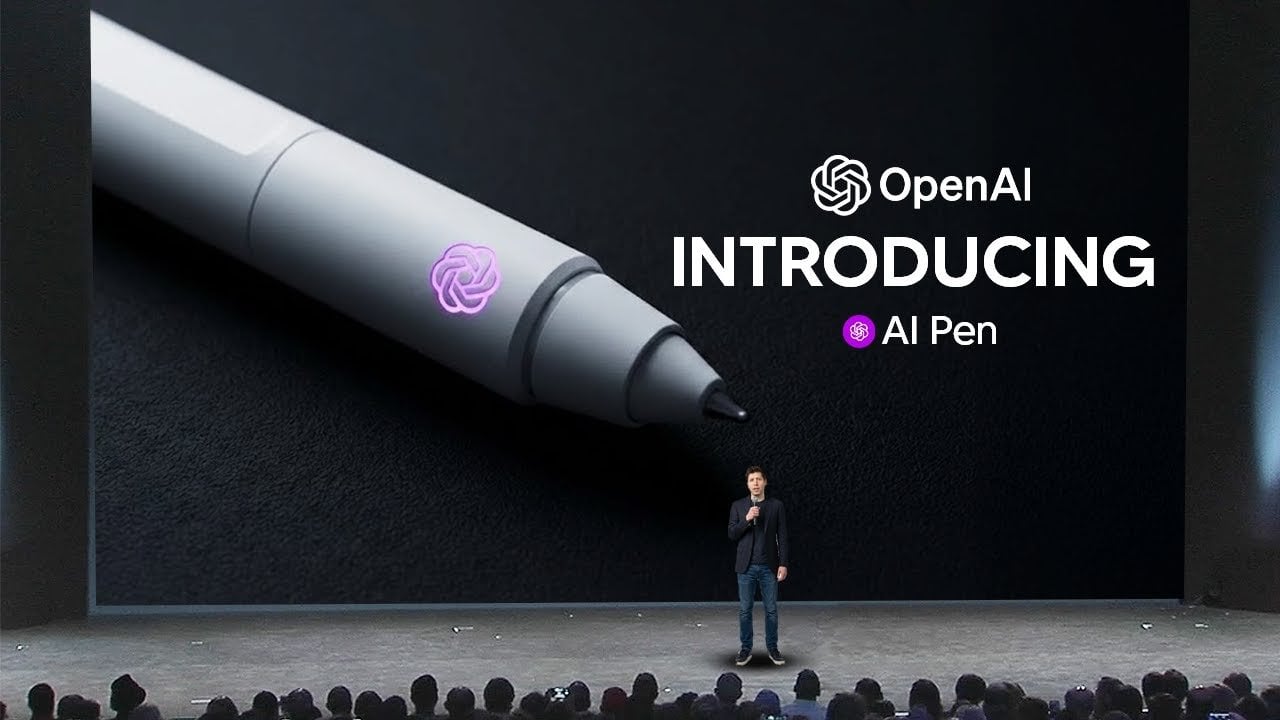
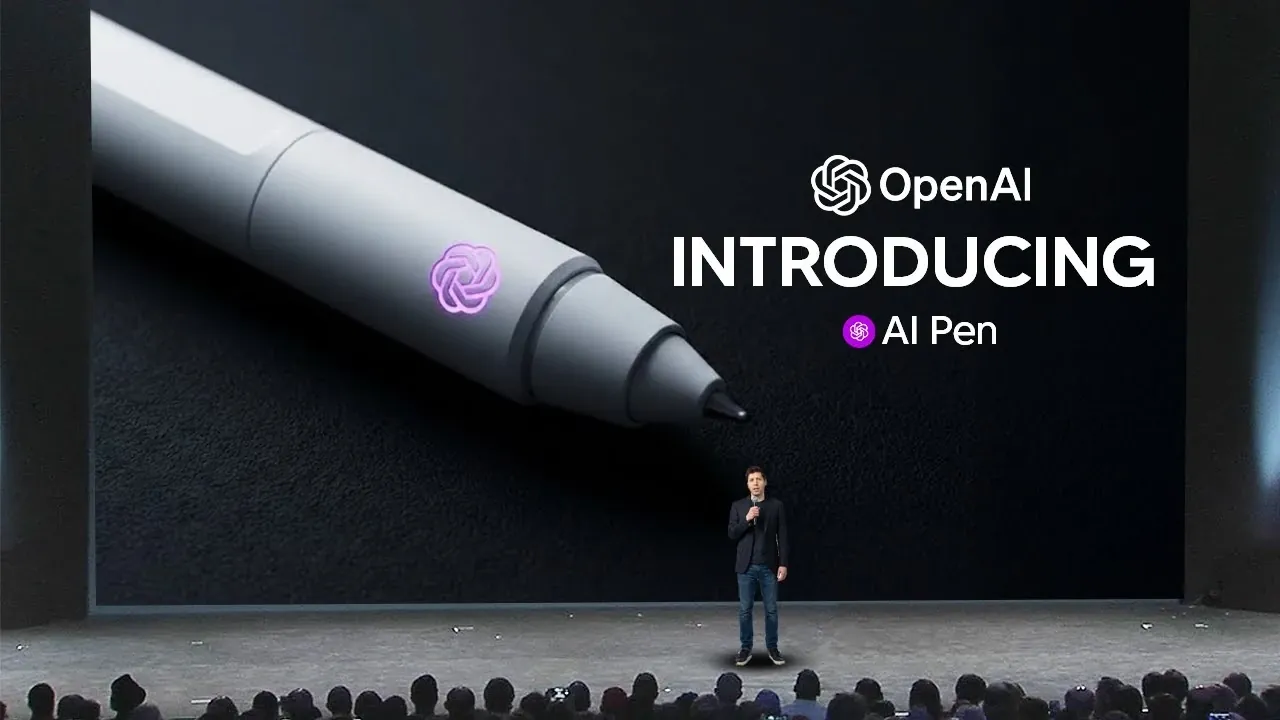
    • OpenAI is entering the hardware space with its AI Pen, designed to enhance productivity and organization through AI-driven transcription and multimodal interaction.
    • The AI industry is focusing on refining existing models, improving multimodal capabilities, and exploring new applications to drive the next wave of innovation.

    Google’s Gemini: Pioneering Multimodal AI

    Google’s Gemini platform remains at the forefront of multimodal AI innovation, with speculation mounting around the anticipated release of Gemini 3.5. Although official confirmation is still awaited, recent updates to Gemini 3, including the introduction of Gemini Flash, underscore Google’s commitment to improving both speed and cost efficiency. These enhancements aim to address edge cases, refine reasoning capabilities, and ensure seamless integration across Google’s extensive ecosystem, including Search, Docs, Gmail, and Workspace.

    For developers, Google is prioritizing API enhancements to simplify the integration of Gemini’s features into third-party applications. By refining its multimodal AI capabilities, Google is positioning Gemini as a versatile tool that caters to both individual users and enterprise-level solutions. This dual focus on accessibility and scalability highlights Google’s strategic approach to maintaining its leadership in the AI domain.

    Entropic’s Claude: Strengthening AI Reasoning

    Entropic is making notable progress with its Claude series, solidifying its reputation as a leader in AI-driven productivity tools. Following the retirement of Opus 3, the company appears to be gearing up for the release of Claude Opus 4.5, which builds upon the strengths of its predecessor. The current Claude Office 4.5 model has already proven to be a reliable choice for tasks such as coding, document analysis, and long-term reasoning.

    Entropic’s strategy focuses on reducing friction in tool usage while enhancing reasoning capabilities. These improvements are designed to make Claude more effective in managing complex workflows, allowing users to tackle intricate tasks with greater efficiency. By prioritizing usability and advanced reasoning, Entropic is reinforcing its position as a key player in the AI landscape.

    AI News : Gemini 3.5, Claude 5.0, Kimi K2-VL & OpenAI’s AI Pen

    Here are more detailed guides and articles that you may find helpful on Google Gemini.

    Moonshot AI’s Kimi K2-VL: Advancing Vision-Language Models

    Moonshot AI is breaking new ground in the integration of vision and language with its Kimi K2-VL model. Early public testing of a prototype, nicknamed “Kiwi Doo,” has demonstrated impressive performance in vision-based reasoning tasks. This aligns with Moonshot AI’s broader focus on developing models capable of consistent tool use and advanced reasoning.

    The Kimi K2-VL model represents a significant step forward in combining visual and linguistic data, making it particularly valuable for industries that require detailed analysis of images, videos, and text. By advancing multimodal capabilities and agent behavior, Moonshot AI is setting the stage for new applications in fields such as healthcare, autonomous systems, and creative industries.

    OpenAI’s Hardware Initiative: The AI Pen

    OpenAI is venturing into the hardware space with a project led by renowned designer Jony Ive. Overviews suggest the development of a pen-like device aimed at enhancing everyday habits such as note-taking. This innovative device is expected to use AI for tasks like transcription, organization, and productivity, offering users a physical interface for interacting with multimodal AI.

    Manufacturing plans for the AI Pen emphasize supply chain flexibility, with a focus on scalability outside of China. This approach aligns with OpenAI’s broader strategy of creating accessible, user-friendly AI tools that integrate seamlessly into daily life. By combining innovative technology with intuitive design, OpenAI aims to redefine how users interact with AI in both personal and professional contexts.

    Key Trends Shaping the AI Landscape

    The AI industry is currently in a phase of refinement, with major players concentrating on improving existing models and exploring new applications. Key trends emerging from these developments include:

    • Google’s emphasis on speed, cost efficiency, and API integration through its Gemini platform.
    • Entropic’s focus on enhancing reasoning capabilities and optimizing tools with Claude.
    • Moonshot AI’s progress in vision-language integration with the Kimi K2-VL model.
    • OpenAI’s exploration of hardware interfaces with its AI Pen project.

    These advancements reflect the industry’s dedication to enhancing AI capabilities while preparing for the next wave of innovation. As these projects mature, they promise to reshape how you interact with technology, offering new possibilities for productivity, creativity, and problem-solving in both personal and professional settings.

    Media Credit: Universe of AI

    Filed Under: AI, Technology News, Top News

    Latest Geeky Gadgets Deals

    Disclosure: Some of our articles include affiliate links. If you buy something through one of these links, Geeky Gadgets may earn an affiliate commission. Learn about our Disclosure Policy.


  • How Vibe Coding Helps You Move Beyond the 70 Percent Hurdle and Build Tools for Daily Life

    How Vibe Coding Helps You Move Beyond the 70 Percent Hurdle and Build Tools for Daily Life

    How Vibe Coding Helps You Move Beyond the 70 Percent Hurdle and Build Tools for Daily Life

    Diagram of an AI-assisted coding flow, from prompt to code to testing, highlighting teamwork between person and model.

    What if you could write functional code without memorizing syntax, debugging endlessly, or even being a seasoned programmer? In this walkthrough, Matt Maher shows how vibe coding, a concept that once seemed like a quirky experiment, has evolved into a fantastic way to approach software development. By combining natural language prompts with AI-driven programming, vibe coding opens the door to creating apps, automating workflows, and exploring new ideas with minimal technical expertise. But as exciting as it sounds, this method isn’t without its hurdles. The dreaded “70% wall,” where initial progress grinds to a halt, is a challenge many face. Yet, as Maher demonstrates, pushing past this barrier can unlock not just better results, but a deeper understanding of how to collaborate with AI effectively.

    Through this guide, you’ll discover how vibe coding can make programming more intuitive and accessible, whether you’re a curious beginner or a seasoned developer looking to streamline your workflow. From crafting habit-tracking apps to integrating advanced AI features into existing systems, the possibilities are vast, and surprisingly practical. Along the way, you’ll learn how to navigate common obstacles, like incomplete results or stalled progress, and turn them into opportunities for growth. If you’ve ever wondered how AI could reshape the way we build software, this explainer offers a glimpse into a future where creativity and technology merge seamlessly.

    What is Vibe Coding?

    TL;DR Key Takeaways :

    • Vibe coding, introduced by Andrej Karpathy, uses AI and natural language processing to generate functional code, making programming more accessible to non-experts.
    • The “70% wall” is a common challenge where initial progress stalls, but overcoming it fosters skill development, resilience, and more sophisticated applications.
    • Tools like OpenAI’s Codec, Anthropic’s Claude Code, and Gemini CLI simplify vibe coding, allowing both beginners and professionals to focus on creativity and problem-solving.
    • Real-world applications of vibe coding include habit-tracking apps, subscription platforms, and AI-enhanced software, showcasing its versatility for personal and professional use.
    • Advancements in AI tools and techniques, such as real-time collaboration and advanced debugging, are expanding vibe coding’s potential, making it a valuable skill for modern software development.

    At its essence, vibe coding uses natural language processing (NLP) and AI models to generate functional code from plain language prompts. Initially perceived as a playful way to experiment with AI, it has matured into a legitimate engineering practice. Tools such as OpenAI’s Codec and Anthropic’s Claude Code empower you to focus on creativity and problem-solving rather than technical syntax, making programming more intuitive and accessible.

    For beginners, vibe coding serves as a gateway to software development by lowering the entry barrier. Browser-based platforms and command-line interfaces (CLI), such as Gemini CLI, provide user-friendly environments for experimentation. These tools allow you to explore programming concepts without requiring extensive prior knowledge. For professional engineers, vibe coding offers the opportunity to integrate advanced AI-driven techniques into their workflows, enhancing productivity and fostering innovation.

    The “70% Wall”: A Common Challenge

    One of the most significant challenges in vibe coding is the “70% wall.” This term describes the point where initial enthusiasm diminishes as projects encounter roadblocks, such as incomplete features, bugs, or unsatisfactory results. For example, you might begin developing a habit-tracking app with basic functionality like local data storage and progress tracking, only to struggle with refining the user interface or implementing advanced features like cloud synchronization.

    Rather than viewing this as a failure, the 70% wall should be seen as an opportunity for growth. By pushing through this barrier, you can refine your skills, learn new techniques, and develop more sophisticated applications. Incremental progress is essential, each iteration brings you closer to mastering the tools and concepts that define vibe coding. This process not only enhances your technical abilities but also builds resilience and problem-solving skills, which are invaluable in software development.

    Vibe Coding : From Party Trick to Real Tool

    Explore further guides and articles from our vast library that you may find relevant to your interests in Vibe Coding.

    Real-World Applications of Vibe Coding

    Vibe coding offers a wide range of applications, from simple projects to complex systems. Its versatility makes it suitable for both personal and professional use. Some practical examples include:

    • Habit-Tracking Tools: Develop apps to monitor activities such as hydration, meditation, or exercise. These applications often feature local data storage, progress tracking, and user-friendly interfaces, making them accessible to a broad audience.
    • Subscription-Based Platforms: Build scalable systems with functionalities like user authentication, payment processing, and AI-driven personalization to enhance user experiences.
    • AI Integration: Enhance existing software by incorporating AI capabilities, such as natural language understanding, predictive analytics, or automated decision-making.

    Whether you are a hobbyist exploring creative ideas or a professional tackling complex challenges, vibe coding provides the flexibility to tailor solutions to your specific needs. Its ability to bridge the gap between creativity and technical implementation makes it a valuable tool in modern software development.

    Advancements in Tools and Techniques

    The rapid evolution of AI models and programming tools has significantly expanded the potential of vibe coding. Leading platforms like OpenAI’s Codec and Anthropic’s Claude Code excel at translating natural language prompts into functional code, allowing you to focus on the conceptual aspects of programming. Meanwhile, tools like Gemini CLI offer lightweight and accessible environments for experimentation, making it easier to get started.

    For advanced users, subscription-based software solutions provide additional capabilities that enhance the development process. These include:

    • Real-Time Collaboration: Work seamlessly with team members on shared projects, improving efficiency and communication.
    • Advanced Debugging Tools: Streamline troubleshooting by identifying and resolving issues more effectively.
    • Integration with Development Environments: Connect vibe coding tools with other software development platforms to create seamless workflows.

    These advancements not only simplify the development of complex projects but also open up new possibilities for innovation. By using these tools, you can tackle more ambitious challenges and achieve greater efficiency in your work.

    Getting Started with Vibe Coding

    If you are new to vibe coding, the best way to begin is by exploring free or low-cost tools. Browser-based platforms and Gemini CLI provide intuitive interfaces and straightforward functionality, making them ideal for beginners. These tools allow you to experiment with basic projects, such as simple calculators or habit trackers, helping you build confidence in your skills.

    As you gain experience, you can transition to more advanced tools that offer features like real-time collaboration, enhanced AI capabilities, and integration with professional development environments. For professionals, incorporating vibe coding into your workflow can streamline processes, reduce development time, and enable innovative solutions that set you apart in a competitive industry.

    Overcoming Challenges and Looking Ahead

    Persistence is a critical factor in mastering vibe coding. While the 70% wall can be discouraging, it also represents a valuable learning opportunity. By focusing on incremental progress and using available resources, you can transform initial efforts into impactful solutions. Each challenge you overcome strengthens your understanding of the tools and techniques involved, preparing you for more complex projects in the future.

    The future of vibe coding is promising. As AI and programming tools continue to advance, this approach is poised to become a foundational skill in software development. Whether you are a hobbyist exploring creative possibilities or a professional seeking to innovate, embracing vibe coding can position you at the forefront of this rapidly evolving field. By adopting this approach, you can create, innovate, and solve real-world problems with greater efficiency and creativity, making sure your relevance in an increasingly AI-driven world.

    Media Credit: Matt Maher

    Filed Under: AI, Guides

    Latest Geeky Gadgets Deals

    Disclosure: Some of our articles include affiliate links. If you buy something through one of these links, Geeky Gadgets may earn an affiliate commission. Learn about our Disclosure Policy.

  • Scale Your Agency with Lerty, iOS Synced AI Agents, Webhooks & Client Dashboards

    Scale Your Agency with Lerty, iOS Synced AI Agents, Webhooks & Client Dashboards

    Scale Your Agency with Lerty, iOS Synced AI Agents, Webhooks & Client Dashboards

    Lerty dashboard showing multiple client AI agents organized by workspace with status badges and usage summaries.

    What if deploying powerful AI agents for your business could be as simple as setting up a social media account? It’s not just a futuristic fantasy, it’s the reality that Lerty promises to deliver. AI Foundations takes a closer look at how this innovative platform is transforming the way companies create, manage, and monetize AI agents, breaking down barriers that once required technical expertise and significant resources. With its focus on ease of use and scalability, Lerty enables businesses of all sizes to integrate AI into their workflows in just minutes, opening up new opportunities for efficiency and growth. The implications are profound: AI is no longer reserved for tech giants, it’s now accessible to anyone ready to embrace it.

    In this guide, you’ll uncover how Lerty’s intuitive features, like seamless integration with AI models such as OpenAI and Anthropic, are reshaping the landscape of business automation. From crafting custom AI agents tailored to your unique needs to using client-specific dashboards for better collaboration, the platform offers a wealth of possibilities. Whether you’re curious about its branding capabilities, mobile access, or revenue-generating potential, this overview will provide a glimpse into how Lerty is redefining what’s possible with AI. As businesses continue to navigate an increasingly digital world, the question isn’t whether AI will play a role, it’s how quickly you can make it work for you.

    Streamlined AI Agent Platform

    TL;DR Key Takeaways :

    • Lerty simplifies the creation, management, and deployment of AI agents, making AI accessible and profitable for businesses of all sizes.
    • The platform supports multiple AI models like OpenAI and Anthropic, offering flexibility and a “bring your own key” feature for seamless integration.
    • Lerty enhances workflows with automation, webhooks, and human-in-the-loop capabilities, balancing efficiency and control.
    • Custom branding, client-specific dashboards, and mobile access via an iOS app ensure a tailored and connected user experience.
    • Designed for scalability and revenue generation, Lerty enables businesses to monetize AI solutions while adapting to their growth needs.

    Create Custom AI Agents with Ease

    Lerty streamlines the process of building AI agents that are tailored to meet specific business needs. The platform supports multiple AI models, including OpenAI and Anthropic, giving you the flexibility to select the technology that best aligns with your objectives. Its “bring your own key” feature allows you to integrate your preferred AI provider seamlessly, making sure that you maintain full control over the underlying technology.

    Even for users without technical expertise, Lerty’s intuitive tools make it simple to design and deploy AI agents. The platform eliminates the need for a dedicated development team, making it an ideal solution for businesses of all sizes and technical capabilities. Whether you’re a small business owner or part of a large enterprise, Lerty ensures that creating AI agents is a straightforward and efficient process.

    Integrate AI into Your Workflow

    Lerty enables the smooth integration of AI agents into your existing workflows, enhancing operational efficiency and automating repetitive tasks. By using webhooks, the platform allows you to connect AI agents to APIs and other systems, making sure they work seamlessly within your organization’s processes. This capability not only saves time but also reduces the likelihood of human error in routine operations.

    For tasks that require oversight, Lerty supports human-in-the-loop workflows, allowing you to set up checkpoints for approvals or revisions. This ensures that AI-driven actions align with your organizational goals and maintain a high level of accuracy. By combining automation with human oversight, Lerty strikes a balance between efficiency and control, making it a reliable tool for businesses seeking to optimize their workflows.

    Deploy & Sell AI Agents in Minutes

    Advance your skills in AI Agents by reading more of our detailed content.

    Branding and Client-Specific Solutions

    Lerty offers robust customization options to help you align AI interactions with your brand identity. You can personalize chat interfaces, typing indicators, and agent profiles to reflect your company’s branding. This level of customization enhances the user experience and reinforces your brand in every interaction, making sure that your AI agents feel like an extension of your organization.

    The platform also simplifies client management by allowing you to organize AI agents into client-specific dashboards. Through invitation-based sharing, clients or teams can easily access these dashboards, allowing them to integrate AI tools into their own operations. This functionality not only strengthens your business relationships but also positions your organization as a valuable partner in helping clients achieve their goals.

    Mobile Access and Automation

    Recognizing the importance of mobility in today’s fast-paced business environment, Lerty offers a fully synced iOS app. This app allows you to manage AI agents on the go, making sure that you stay connected and informed no matter where you are. With push notifications, you can receive real-time updates on approvals, live activity, and system changes, keeping you in control at all times.

    Additionally, Lerty integrates with Siri and iOS Shortcuts, allowing voice-command interactions and task automation. These features are particularly useful for users who rely on mobile devices for daily operations, offering a level of convenience that enhances productivity and streamlines workflows.

    Generate Revenue and Scale Your Operations

    Lerty is designed to help businesses monetize AI solutions effectively. By allowing you to charge for AI agent usage, the platform creates opportunities for recurring revenue. This model benefits both your organization and your clients, as they gain access to AI-driven tools that enhance their operations while you generate a sustainable income stream.

    Scalability is another key strength of Lerty. The platform supports multiple users within an organization and offers advanced workflow customization options. This flexibility allows you to tailor AI solutions to meet the unique needs of your clients, making Lerty adaptable for businesses of any size. Whether you’re managing a small team or a large enterprise, the platform’s scalability ensures that it grows alongside your business.

    Early Adopter Program and Future Plans

    Lerty has launched an Early Adopter Program to gather valuable feedback and refine its features. Participants in this program gain early access to the platform and have the opportunity to influence its development. This collaborative approach ensures that Lerty evolves to meet the needs of its users effectively, making it a more robust and user-friendly solution over time.

    Looking ahead, Lerty plans to expand its reach through a broader public release. This step will make the platform accessible to a wider audience, further establishing it as a comprehensive solution for businesses seeking to use AI technology. By continuously innovating and responding to user feedback, Lerty aims to remain at the forefront of AI-driven business solutions.

    Empowering Businesses with AI

    Lerty provides a streamlined and accessible approach to creating, integrating, and managing AI agents. With its emphasis on simplicity, scalability, and revenue generation, the platform equips businesses and agencies with the tools they need to thrive in an AI-driven world. Whether your goal is to enhance internal operations or offer AI solutions to clients, Lerty positions itself as a valuable resource for achieving success in today’s competitive landscape.

    Media Credit: AI Foundations

    Filed Under: AI, Top News

    Latest Geeky Gadgets Deals

    Disclosure: Some of our articles include affiliate links. If you buy something through one of these links, Geeky Gadgets may earn an affiliate commission. Learn about our Disclosure Policy.
  • OpenAI’s Gumdrop AI Pen Brings Voice Help, Handwriting Capture, and More

    OpenAI’s Gumdrop AI Pen Brings Voice Help, Handwriting Capture, and More

    OpenAI’s Gumdrop AI Pen Brings Voice Help, Handwriting Capture, and More

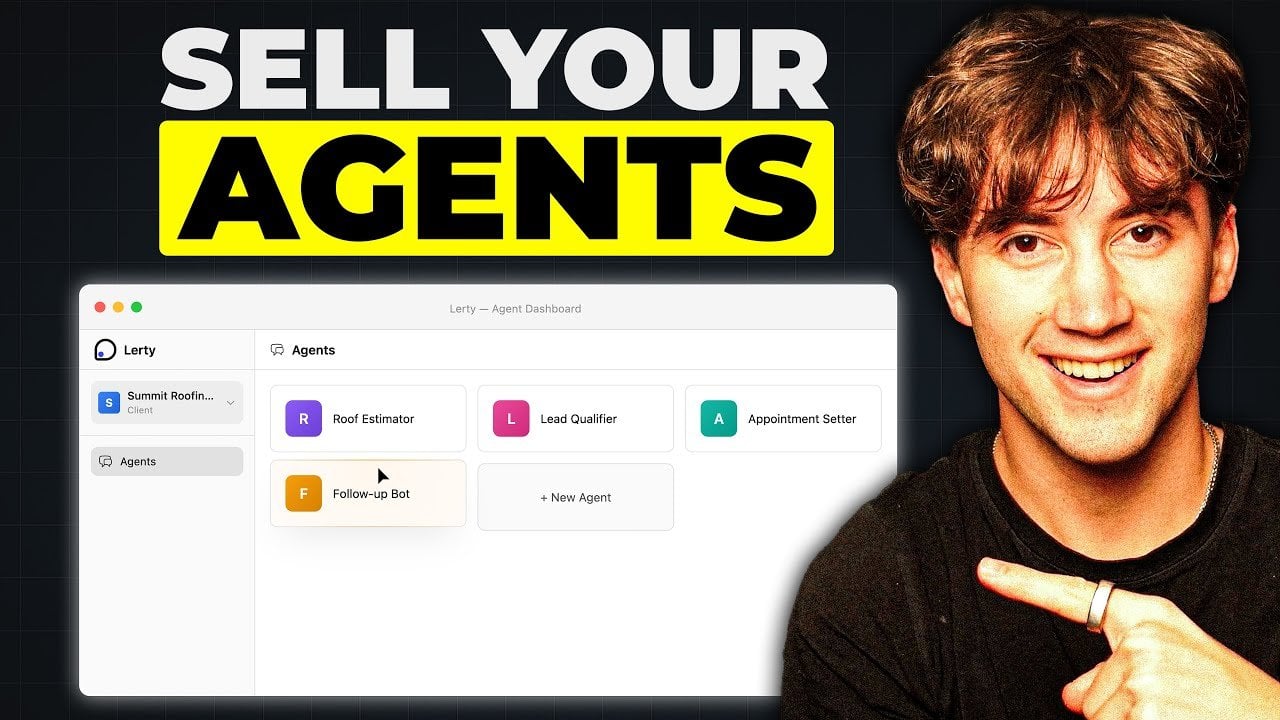
    Concept image of OpenAI’s screenless pen, created by a famed product designer, focused on notes, voice, and calm use.

    What if the future of AI wasn’t a screen in your pocket but something as simple as a pen in your hand? The AI GRID explores how OpenAI’s ambitious new AI pen project, codenamedGumdrop,” could redefine our relationship with technology. This AI-powered pen, expected to launch between 2026 and 2027, is designed to bridge the gap between smartphones and laptops, offering features like contextual awareness and handwritten-to-text conversion in a sleek, minimalist form. But with privacy concerns, consumer skepticism, and a competitive wearable market, can this device succeed where others have failed? The video dives into the bold vision behind the AI pen and the challenges it must overcome to earn its place in our daily lives.

    In this overview, we’ll unpack what makes the AI pen stand out, from its screenless design to its promise of distraction-free productivity. You’ll discover how OpenAI’s collaboration with renowned designer Jony Ive aims to deliver not just functionality but a seamless, intuitive experience. But there’s more to this story than just innovation, questions about privacy, affordability, and whether users will embrace a new kind of device loom large. Could this be the first AI wearable to truly work, or will it become another cautionary tale in the tech world? Let’s explore the possibilities and the stakes behind this new project.

    OpenAI’s AI Pen Overview

    TL;DR Key Takeaways :

    • OpenAI is developing an AI-powered pen, codenamed “Gumdrop,” set to launch between 2026 and 2027, featuring contextual awareness, handwritten-to-text conversion, and two-way voice communication.
    • The pen is designed as a minimalist, screenless “third device” to complement smartphones and laptops, emphasizing simplicity and functionality.
    • Privacy concerns arise due to always-on cameras and microphones, alongside challenges like consumer skepticism, entrenched habits, and a high price range of $400–$600.
    • OpenAI collaborates with designer Jony Ive and has shifted manufacturing to Vietnam and the U.S. to ensure quality and mitigate supply chain risks.
    • To succeed, OpenAI must differentiate the pen from competitors like AI-powered smart glasses, address privacy and cost concerns, and position it as a complementary productivity tool.

    The AI pen represents OpenAI’s vision of a “third device,” bridging the gap between smartphones and laptops. Unlike traditional devices, it is screenless, focusing on simplicity and functionality. Its design prioritizes a distraction-free user experience while offering innovative features, such as:

    • Contextual awareness: The pen intelligently adapts to your environment and needs, providing personalized assistance.
    • Handwritten-to-text conversion: Effortlessly transform handwritten notes into digital text for easy storage and sharing.
    • Two-way voice communication: Engage in hands-free, AI-driven conversations for seamless interaction.
    • Local AI processing: Perform tasks directly on the device for speed and efficiency, with cloud integration available for more complex operations.

    Designed by renowned designer Jony Ive, the pen emphasizes a sleek, minimalist aesthetic. It is equipped with always-on cameras and microphones, making sure constant readiness to assist users. However, these features have sparked valid concerns about privacy, as some users may hesitate to adopt a device that continuously monitors its surroundings.

    How the AI Pen Is Being Developed

    The development of the AI pen, codenamed “Gumdrop,” reflects OpenAI’s commitment to pushing the boundaries of hardware innovation. In 2025, OpenAI acquired Jony Ive’s design firm for $6.5 billion, underscoring the importance of design and usability in this project. The collaboration aims to create a device that is not only functional but also aesthetically appealing, blending innovative technology with intuitive design.

    Manufacturing for the AI pen has shifted from China to locations such as Vietnam and the United States. This decision aligns with broader industry trends to diversify supply chains amid geopolitical tensions. By localizing production, OpenAI aims to ensure greater control over quality and reduce potential disruptions, positioning the pen as a premium product in the global market.

    OpenAI’s AI Pen Might Be the First AI Device That Works

    Expand your understanding of OpenAI with additional resources from our extensive library of articles.

    Challenges Facing the AI Pen

    Despite its potential, the AI pen faces several significant challenges that could impact its adoption:

    • Consumer skepticism: Past failures of AI hardware, such as the Humane AI Pin and Rabbit R1, have left consumers wary of new devices in this category.
    • Privacy concerns: The inclusion of always-on cameras and microphones may deter users who prioritize privacy and data security.
    • Entrenched habits: Smartphones dominate daily life, making it difficult to persuade users to incorporate a new device into their routines.
    • Pricing: With an anticipated price range of $400–$600 and potential subscription fees, affordability could be a barrier for many consumers.

    Overcoming these obstacles will require OpenAI to clearly demonstrate the pen’s unique value proposition while addressing concerns about privacy and cost. Building trust with consumers will be essential to its success.

    Competition in the AI Wearable Market

    The AI pen enters a competitive landscape dominated by AI-powered smart glasses from major players like Meta, Google, and Apple. Smart glasses are often perceived as a more natural and versatile form factor for AI wearables, offering features such as augmented reality and hands-free interaction. These devices have already gained traction among consumers, making it challenging for the AI pen to carve out its own space.

    To differentiate itself, OpenAI must position the pen as a complementary device rather than a direct competitor to smart glasses. By emphasizing its unique capabilities, such as handwritten-to-text conversion and contextual awareness, the pen could appeal to users seeking a specialized tool to enhance productivity and creativity.

    What Sets the AI Pen Apart?

    Despite the challenges, the AI pen offers several advantages that could help it establish a niche in the market:

    • AI expertise: OpenAI’s leadership in artificial intelligence, demonstrated by products like ChatGPT, lends credibility to the pen’s capabilities and potential.
    • Design excellence: The involvement of Jony Ive, known for iconic products like the iPhone, enhances the pen’s aesthetic and functional appeal.
    • Lessons learned: OpenAI can use insights from previous AI hardware failures to avoid repeating the same mistakes, making sure a more refined product.
    • Complementary positioning: By framing the pen as an addition to existing devices rather than a replacement, OpenAI can make it more appealing to users who are already invested in their current technology ecosystems.
    • Extended timeline: The projected launch in 2026 or 2027 allows ample time for refinement, testing, and addressing potential issues, making sure a polished and reliable product at launch.

    These factors could help the AI pen stand out in a crowded market, appealing to niche audiences such as tech enthusiasts, productivity-focused users, and those drawn to innovative design.

    Will the AI Pen Succeed?

    The AI pen has the potential to redefine how we interact with technology, offering a glimpse into the future of AI-driven devices. However, its journey to mainstream acceptance will not be without challenges. Success will depend on OpenAI’s ability to demonstrate the pen’s unique value, address privacy and pricing concerns, and position it effectively in a competitive market.

    While widespread adoption remains uncertain, the pen is likely to attract niche audiences, including OpenAI enthusiasts and design-conscious users. If OpenAI can overcome the hurdles it faces, the AI pen could become a significant step forward in the evolution of AI wearables, offering a new way to integrate artificial intelligence into daily life.

    Media Credit: TheAIGRID

    Filed Under: AI, Technology News, Top News

    Latest Geeky Gadgets Deals

    Disclosure: Some of our articles include affiliate links. If you buy something through one of these links, Geeky Gadgets may earn an affiliate commission. Learn about our Disclosure Policy.

  • The Skill Gap That Will Separate Al Winners from Everyone Else

    The Skill Gap That Will Separate Al Winners from Everyone Else

    The Skill Gap That Will Separate Al Winners from Everyone Else

    Concept image of 2026 consumer hardware ready for AI workloads, hinting at faster GPUs and longer battery life.

    What will set AI leaders apart from the rest by 2026? It won’t simply be access to advanced systems or the latest breakthroughs in artificial intelligence, it will come down to something far more human. In this overview, Nate B Jones explores how the real differentiator lies in the skills users cultivate to collaborate with AI agents, rather than the technology itself. As personal AI evolves with memory retention, task management integration, and “always-on” capabilities, the critical question becomes whether users can adapt quickly enough to harness their full potential.

    This breakdown examines the growing skill gap that will define success in the AI-driven future, highlighting both the challenges and opportunities ahead. From mastering workflow optimization to effectively communicating priorities, the ability to work seamlessly with these advanced systems will determine who thrives in this new era of productivity. For those looking to stay ahead in a world where AI is no longer just a resource but a partner, this guide offers insights into the strategies that could transform how we work, innovate, and compete. The future of AI isn’t just about innovation, it’s about how we rise to meet it.

    The Rise of Personal AI

    TL;DR Key Takeaways :

    • By 2026, personal AI agents with advanced memory, task delegation, and sustained attention capabilities are expected to transform daily life, emphasizing user adaptation for effective integration.
    • Key technological breakthroughs in 2025, including improved hardware, memory scaffolding, and task management integration, have enabled AI agents to become proactive collaborators in personal and professional workflows.
    • Barriers to widespread adoption include complexity for non-technical users and challenges in defining tasks clearly, requiring intuitive design and user education to bridge the gap.
    • AI agents are evolving into “always-on” assistants capable of managing schedules, drafting emails, and monitoring deadlines, with secure permissions making sure functionality and privacy.
    • The competitive landscape sees tech giants and startups racing to develop user-friendly AI solutions, with success hinging on robust memory, secure systems, and intuitive interfaces to deliver tangible value.

    What’s Driving the Evolution of AI Agents?

    The rapid evolution of AI agents is fueled by key technological breakthroughs achieved in 2025. These advancements have laid the groundwork for the next generation of AI systems, allowing them to perform more complex and autonomous functions. Some of the most notable developments include:

    • Improved Hardware: Consumer devices now feature GPU-friendly designs, allowing more efficient processing for both local and cloud-based AI operations. This advancement is essential for powering “always-on” AI systems that require continuous computational resources to function seamlessly.
    • Memory Scaffolding: AI systems have overcome previous limitations related to forgetfulness and reactivity. With long-term memory capabilities, these agents can now retain information about user preferences, ongoing projects, and past interactions, allowing for more personalized and proactive assistance.
    • Task Management Integration: By combining memory retention with advanced task management systems, AI agents can autonomously prioritize and execute complex workflows. For example, they can draft overviews, manage schedules, and even anticipate user needs based on historical data.

    These advancements are transforming AI agents from reactive tools into proactive collaborators, capable of handling intricate tasks with minimal user intervention. This shift is redefining the role of AI in both personal and professional contexts.

    Barriers to Widespread Adoption

    Despite these technological strides, several challenges must be addressed before AI agents can achieve widespread adoption. These barriers highlight the gap between innovation and usability, particularly for non-technical users.

    • Complexity for Non-Technical Users: Many AI systems still require a level of technical expertise to set up and manage effectively. This creates a steep learning curve for users unfamiliar with the underlying technology. To bridge this gap, developers must focus on creating intuitive interfaces and using natural language processing to simplify interactions.
    • Ambiguity in Task Definition: While AI agents excel at executing specific, well-defined tasks, they often struggle with vague or overly broad instructions. Users must learn to communicate their priorities and expectations clearly to ensure meaningful and accurate results.

    Overcoming these barriers will require a combination of user education and improved system design. By making AI tools more accessible and intuitive, developers can ensure that these systems deliver tangible value to a broader audience.

    The Skill Gap for Smart Assistants Is Getting Real

    Enhance your knowledge on AI Agents by exploring a selection of articles and guides on the subject.

    Breakthroughs in AI Integration

    The emergence of “always-on” personal AI assistants marks a significant milestone in AI development. These systems function as chief-of-staff agents, capable of managing priorities, delegating tasks, and providing real-time updates. Their integration into daily workflows is made possible by advancements in memory scaffolding and task management systems. For instance, an AI assistant could autonomously:

    • Schedule meetings and manage calendars
    • Draft and send emails
    • Monitor project deadlines and provide updates

    To achieve this level of functionality, developers are focusing on creating secure permissions layers that allow AI systems to interact safely with local files, browsers, and other applications. This ensures both functionality and privacy, addressing user concerns about data security. Additionally, these systems are being designed to adapt to shifting priorities, allowing them to anticipate user needs and respond proactively.

    Adapting to the AI Revolution

    As AI agents become more capable, users will need to adapt their workflows to fully use these tools. This adaptation involves developing new skills and strategies to maximize the potential of AI systems. Key areas of focus include:

    • Task Structuring: Clearly outlining goals and priorities will enable AI assistants to break down projects into manageable steps and execute them efficiently. This skill is essential for making sure that AI agents deliver meaningful results.
    • Workflow Optimization: AI systems are increasingly capable of analyzing user habits and suggesting improvements. By embracing these insights, users can streamline their workflows, making task delegation more intuitive and productive.

    This evolving relationship between users and AI has the potential to redefine productivity. By offloading routine and time-consuming tasks to AI agents, individuals can focus on strategic objectives and higher-level decision-making. This shift not only enhances efficiency but also allows users to allocate their time and energy to more impactful activities.

    Market Implications and Competitive Landscape

    The race to develop user-friendly, value-driven AI solutions is intensifying, with both established tech giants and innovative startups competing to shape the future of AI. The competitive landscape is characterized by several key dynamics:

    • Tech Giants: Established companies with extensive resources and infrastructure are well-positioned to dominate the market. Their ability to invest in research and development enables them to create robust, scalable systems that appeal to a wide audience.
    • Startups: Agile and innovative startups are focusing on niche applications, addressing specific user needs with specialized solutions. These companies have the potential to carve out significant market share by offering unique value propositions.

    The competition to lead this transformation is fierce, with both established players and emerging innovators striving to create systems that are not only technologically advanced but also accessible and intuitive. Companies that succeed in integrating robust memory capabilities, secure permissions, and user-friendly interfaces will gain a competitive edge in this rapidly evolving market.

    Preparing for the Future of AI

    The technical foundation for personal AI agents is nearly complete, but their success will depend on more than just innovation. User adoption, intuitive design, and the ability to deliver tangible value will determine which systems thrive in the coming years. As these tools become more accessible, the gap between those who can effectively use them and those who cannot will widen. By developing the skills and strategies needed to integrate AI into your workflows, you can position yourself to harness the full potential of this fantastic technology.

    Media Credit: AI News & Strategy Daily

    Filed Under: AI, Technology News, Top News

    Latest Geeky Gadgets Deals

    Disclosure: Some of our articles include affiliate links. If you buy something through one of these links, Geeky Gadgets may earn an affiliate commission. Learn about our Disclosure Policy.

  • Mistral 8B : Can a Small Mistral AI Model Correctly Build a Web Site Front End?

    Mistral 8B : Can a Small Mistral AI Model Correctly Build a Web Site Front End?

    Mistral 8B : Can a Small Mistral AI Model Correctly Build a Web Site Front End?

    Screenshot of a simple rental homepage built with Next.js and Tailwind, guided by Mistral’s small 8B.

    Can artificial intelligence really hold its own in the world of coding? With the rise of AI models designed to assist developers, it’s a question worth exploring. Below, Will Lamerton breaks down how Mistral’s 8 billion parameter model, Ministral 3, performed during a two-hour experiment to build the front-end of an Airbnb clone. The results? A fascinating mix of potential and pitfalls. From generating React components to debugging code, Ministral 3 showcased its ability to handle real-world tasks, but not without revealing some critical limitations. This overview dives into the experiment, offering a closer look at whether AI like Ministral 3 is ready to step up as a reliable coding companion.

    In this coding guide, you’ll discover how Ministral 3 tackled key challenges, such as creating property listings with mock data, managing navigation, and applying Tailwind CSS for styling. You’ll also learn where the model stumbled, like struggling to maintain context over complex tasks or relying on outdated commands. Whether you’re a developer curious about AI’s role in software development or just intrigued by the idea of building an Airbnb clone in hours, this guide offers insights into the evolving capabilities of AI coding models. The question remains: is this the future of coding, or just a stepping stone?

    Ministral 3 Coding Test

    TL;DR Key Takeaways :

    • Ministral 3, an 8 billion parameter AI model, was tested by building the front-end of an Airbnb-like property rental website, showcasing its potential as a coding assistant.
    • The model excelled in generating project briefs, creating React components, managing state with mock data, and debugging code, making it useful for smaller projects and learning purposes.
    • Key tools used in the experiment included Next.js, Tailwind CSS, Shad CN, and Nanocoder, with the final output featuring basic functionality like property listings, navigation, and a mock booking flow.
    • Challenges included difficulty maintaining context in extended tasks, frequent errors in imports and dependencies, reliance on outdated commands, and slower performance compared to advanced models.
    • Ministral 3 is not yet a replacement for professional developers but shows promise as an accessible AI tool for debugging and smaller-scale coding tasks, with potential for significant improvements in the near future.

    Project Overview

    The experiment focused on creating a functional front-end for a property rental website using Ministral 3. The scope was limited to front-end development, excluding backend implementation. The tools used for this project included:

    • Next.js, a React-based framework, for development.
    • Tailwind CSS for styling and layout design.
    • Shad CN for pre-built UI components.
    • Nanocoder, an open source coding assistant, for additional support.

    Mock data was employed to simulate dynamic content, and an iterative development process was adopted to refine the output progressively. The task was divided into distinct phases to streamline the workflow:

    • Drafting a project brief to outline objectives and requirements.
    • Setting up the development environment with the necessary tools and dependencies.
    • Creating React components for the website’s user interface.
    • Implementing navigation and managing state using mock data.

    The primary goal was to assess Ministral 3’s ability to handle real-world coding tasks, from generating boilerplate code to debugging and resolving errors.

    Capabilities of Mistral 8B Model

    Ministral 3 demonstrated several notable strengths during the experiment, showcasing its potential as a coding assistant:

    • It successfully generated a detailed project brief, breaking down the task into manageable phases and offering clear guidance for execution.
    • The model created React components for key features such as property listings, navigation menus, and booking flows, applying Tailwind CSS to ensure consistent styling.
    • It effectively managed state and navigation between pages using mock data, demonstrating its ability to handle dynamic front-end requirements.
    • Its error detection and correction capabilities stood out, as it identified issues in code logic, syntax, and imports, providing actionable suggestions for resolution.
    • Ministral 3’s compatibility with local hardware allowed it to run efficiently on modest setups, making it accessible to developers without high-end resources.

    These strengths highlight the model’s utility for smaller projects or as a learning tool for developers seeking assistance with debugging and code generation.

    Can Mistral’s 8B AI Model Actually Code?

    Here are more detailed guides and articles that you may find helpful on Mistral AI models.

    Challenges and Limitations

    Despite its promising capabilities, Ministral 3 encountered several challenges that limited its effectiveness in more complex scenarios:

    • The model struggled to maintain context over extended tasks, often requiring resets and granular task breakdowns. This made it less suitable for handling multi-step processes without significant user intervention.
    • Errors in imports, component names, and directory paths were frequent, necessitating manual corrections to ensure functionality.
    • It relied on outdated commands and occasionally missed dependencies, which slowed progress and required additional troubleshooting.
    • Compared to more advanced models like Opus 4.5 or GLM 4.7, Ministral 3 exhibited slower performance and less accuracy in generating production-ready code.

    These limitations underscore the model’s developmental stage and highlight areas where further refinement is needed to improve its performance in complex coding tasks.

    Final Output

    The final product of the experiment was a functional yet basic front-end for the property rental website. Key features included:

    • Property listings populated with mock data for demonstration purposes.
    • Navigation menus allowing seamless transitions between pages.
    • A booking flow with a mock payment confirmation page to simulate user interactions.

    While the core functionality was achieved, the visual design and user experience required further refinement. Advanced features, such as filtering options, responsive design, and accessibility enhancements, were incomplete or missing, highlighting areas where the model fell short of expectations.

    Insights and Takeaways

    Ministral 3 is not yet a replacement for professional coding tools or experienced developers, but it shows significant promise as an AI coding assistant. Its strengths in debugging and error correction make it particularly valuable for smaller projects or as a learning tool for new developers. Additionally, its compatibility with local hardware positions it as an accessible option for developers in regions with limited access to cloud-based solutions.

    The experiment also underscores the rapid advancements in AI coding models. Within the next 12–18 months, local AI models like Ministral 3 could become more robust, addressing current limitations and offering greater utility for developers. This progression could lead to a future where AI tools play a more integral role in streamlining software development processes, making coding more accessible and efficient for a broader audience.

    Media Credit: Will Lamerton

    Filed Under: AI, Guides

    Latest Geeky Gadgets Deals

    Disclosure: Some of our articles include affiliate links. If you buy something through one of these links, Geeky Gadgets may earn an affiliate commission. Learn about our Disclosure Policy.
  • Midjourney’s New Scroll-Based Style Tool : Pins, Small Grids, and Reversed Order

    Midjourney’s New Scroll-Based Style Tool : Pins, Small Grids, and Reversed Order

    Midjourney’s New Scroll-Based Style Tool : Pins, Small Grids, and Reversed Order

    Screenshot of Midjourney’s scroll-based style tool on the alpha website, showing selected options and a base prompt preview.

    What if creating stunning, personalized art felt more like an adventure than a task? That’s the promise behind Midjourney’s new experimental feature, the Scrolling Style Creator. In the video, Thaeyne breaks down how this innovative interface shifts the way users explore and refine artistic styles, trading the familiar structure of the original Style Creator for a dynamic, scrolling experience. While some creators are embracing its bold approach, others are grappling with its less intuitive design, sparking lively discussions across the community. Whether you’re intrigued by the potential or skeptical of the changes, this feature is undeniably shaking up the creative process.

    In this guide, we’ll explore how the Scrolling Style Creator works, its key differences from the original version, and what makes it both exciting and challenging. From the fluid scrolling interface to the ability to pin and compare styles, this feature opens up new avenues for experimentation while requiring users to rethink their workflows. But does it strike the right balance between innovation and usability? Stick around as we unpack its creative potential and the mixed reactions it’s received, there’s more to this story than meets the eye.

    Midjourney Scrolling Style Creator

    TL;DR Key Takeaways :

    • The Scrolling Style Creator is an experimental feature on Midjourney’s alpha website, introducing a scrolling interface to explore and refine artistic styles.
    • Key updates include a dynamic scrolling layout, example image grids, and reversed image order, which emphasize exploration but may feel less intuitive for some users.
    • The tool replaces the original “refine” button with a continuous scrolling and selection process, encouraging experimentation but reducing structured control.
    • User feedback highlights mixed reactions, with suggestions for reintroducing the refine button, adding a sliding scale for precision, and improving workflow clarity.
    • The tool unlocks diverse creative possibilities, allowing styles like neon fantasy, retro synthwave, dark surrealism, and cinematic noir, despite its learning curve.

    How to Access the Scrolling Style Creator

    To explore the Scrolling Style Creator, navigate to Midjourney’s alpha website at alpha.Midjourney.com and log in using your existing account credentials. The alpha platform serves as a testing environment for experimental features, operating independently from the main site.

    The Scrolling Style Creator departs from the original single-page layout, adopting a scrolling design with updated navigation and button placement. This shift introduces a new workflow, and returning users may need time to adapt to the changes. The interface emphasizes exploration, but the departure from familiar design elements may initially feel less intuitive for some.

    How It Works: Functionality and Workflow

    The Scrolling Style Creator begins with a base version of your prompt, stripped of any predefined artistic styles. As you scroll, you can explore, combine, and refine various style options to customize your output.

    One significant change is the removal of the “refine” button, a feature central to the original tool. Instead, refinement is achieved through continuous scrolling and selection, creating a more fluid but less structured process. To aid in comparisons, the tool allows users to pin style previews, allowing side-by-side evaluations of different artistic options. This feature encourages experimentation but may require users to adjust to the absence of more direct controls.

    Midjourney’s Scrolling Style Creator Overview

    Check out more relevant guides from our extensive collection on Midjourney styles that you might find useful.

    What’s New: Key Differences from the Original Tool

    The Scrolling Style Creator introduces several notable updates that distinguish it from its predecessor:

    • Scrolling Interface: The single-page style selection is replaced with a dynamic scrolling layout, encouraging exploration through movement.
    • Example Image Grid: Hovering over the heart button reveals a grid of example images, offering visual references. However, the smaller size of these images may reduce clarity for some users.
    • Reversed Image Order: Results are now displayed from top to bottom, a reversal of the previous bottom-to-top arrangement, which may take time to get used to.

    These changes aim to enhance creative exploration but may challenge users accustomed to the original tool’s straightforward design. The new layout emphasizes discovery but sacrifices some of the simplicity and control that defined the earlier version.

    User Feedback: Mixed Reactions and Suggestions

    The Scrolling Style Creator has received mixed reactions from users, reflecting both its potential and its challenges. Many appreciate the expanded creative possibilities and experimental design, while others express concerns about reduced control and clarity in the workflow.

    Common user suggestions for improvement include:

    • Reintroducing the “refine” button to provide greater control over adjustments and refinements.
    • Incorporating a sliding scale to fine-tune style selection phases, offering more precision in the creative process.
    • Providing enhanced control over breakpoints and refinement stages to improve usability and workflow efficiency.

    These recommendations highlight the need for a balance between innovation and user-friendly design. While the tool’s experimental nature is appreciated, many users seek features that allow for more structured and precise adjustments.

    Creative Potential: Examples of Styles

    Despite its challenges, the Scrolling Style Creator has unlocked a wide array of artistic possibilities, allowing users to experiment with diverse and visually striking styles. Examples of styles generated using the tool include:

    • Neon fantasy: Vibrant, glowing designs inspired by futuristic and fantastical themes.
    • Retro synthwave landscapes: Nostalgic, 80s-inspired visuals with bold colors and geometric patterns.
    • Dark surrealism: Eerie, dreamlike compositions blending surreal and gothic elements.
    • Steampunk fantasy: Intricate designs featuring mechanical and Victorian-era aesthetics.
    • Cosmic fantasy: Expansive, otherworldly visuals inspired by space and celestial themes.
    • Storybook-inspired visuals: Whimsical, hand-drawn styles reminiscent of classic illustrated tales.
    • Cinematic noir aesthetics: Moody, high-contrast imagery evoking the atmosphere of classic noir films.

    These examples demonstrate the tool’s ability to produce unique and imaginative results, even as users navigate its learning curve. The Scrolling Style Creator encourages exploration, allowing creators to push the boundaries of their artistic visions.

    Balancing Innovation and Usability

    The Scrolling Style Creator represents a bold step forward for Midjourney, offering new ways to experiment with artistic styles and refine creative outputs. However, its departure from the simplicity and control of the original Style Creator has sparked debate among users.

    By addressing user feedback and reintroducing key features such as the refine button, Midjourney could create a more balanced tool that combines innovation with ease of use. Enhancements to navigation clarity and workflow efficiency would further improve the tool’s accessibility, making it more appealing to a broader audience.

    For now, the Scrolling Style Creator remains a promising addition to Midjourney’s suite of creative tools, offering both opportunities and challenges for users eager to explore its potential.

    Media Credit: Thaeyne

    Filed Under: AI, Technology News, Top News

    Latest Geeky Gadgets Deals

    Disclosure: Some of our articles include affiliate links. If you buy something through one of these links, Geeky Gadgets may earn an affiliate commission. Learn about our Disclosure Policy.
  • Lee Cronin on AI Fear, Assembly Theory, and Why True Intelligence Needs Life and Agency

    Lee Cronin on AI Fear, Assembly Theory, and Why True Intelligence Needs Life and Agency

    Lee Cronin on AI Fear, Assembly Theory, and Why True Intelligence Needs Life and Agency

    Side-by-side chart contrasts AI predictions with human choices, noting memory, imagination, and free will as key differences.

    Are we overestimating what artificial intelligence can truly achieve, or worse, fearing something it can never become? In this overview, Wes Roth explores how Lee Cronin, a renowned chemist and professor at the University of Glasgow, dismantles both the utopian promises and apocalyptic fears surrounding AI. Cronin boldly critiques the idea that AI is on the brink of becoming a superintelligent force, calling such predictions speculative at best and delusional at worst. Instead, he reframes AI as a sophisticated yet fundamentally limited technology, incapable of true intelligence or autonomy. By grounding his arguments in science rather than hype, Cronin challenges the narratives that dominate public discourse, offering a refreshing take on what AI is, and what it isn’t.

    This guide dives into Cronin’s critique of AI “doomers” and the exaggerated claims of AI’s fantastic potential, unpacking his scientifically grounded insights into intelligence and complexity. Readers will discover why Cronin believes the real dangers of AI lie not in its hypothetical evolution but in its misuse by humans, whether through spreading misinformation, amplifying biases, or allowing political manipulation. Along the way, you’ll encounter Cronin’s fascinating “assembly theory,” which redefines how we understand complexity and life itself. Whether you’re skeptical of AI’s promises or deeply concerned about its risks, this breakdown will leave you questioning the assumptions that shape our collective understanding of artificial intelligence.

    AI Misconceptions and Realities

    TL;DR Key Takeaways :

    • Lee Cronin critiques both alarmist fears of AI “doomers” and exaggerated promises of AI’s fantastic potential, advocating for a balanced, evidence-based perspective on AI’s role in society.
    • Cronin emphasizes that AI lacks true intelligence, including attributes like agency, imagination, and consciousness, and should be viewed as a powerful but limited tool rather than a sentient entity.
    • The real risks of AI lie in its misuse by humans, such as spreading misinformation, allowing political manipulation, and perpetuating societal biases, rather than hypothetical scenarios of superintelligence.
    • Cronin introduces “assembly theory,” a framework for understanding complexity and the emergence of life, bridging chemistry and biology to explore the origins of intelligence and artificial life.
    • He advocates for interdisciplinary collaboration to address AI’s challenges and opportunities, integrating insights from chemistry, biology, and computer science to advance understanding of intelligence and complexity.

    Cronin directly addresses the apocalyptic predictions often associated with AI “doomers,” who warn of a future where AI evolves into a superintelligent entity capable of surpassing and overpowering humanity. He dismisses these scenarios as speculative and lacking empirical evidence. According to Cronin, AI systems are not autonomous beings with free will or survival instincts but rather sophisticated tools designed to process data using probabilistic algorithms.

    The real risks of AI, he asserts, lie not in its hypothetical evolution into a superintelligence but in its misuse by humans. These risks include:

    • Generating and amplifying fake or misleading data
    • Facilitating political manipulation and propaganda
    • Reinforcing and perpetuating societal biases

    Cronin emphasizes that addressing these challenges requires practical, evidence-based solutions rather than fear-driven narratives. By focusing on the tangible risks of AI misuse, he redirects attention to areas where meaningful interventions can be made.

    AI: A Tool, Not True Intelligence

    A central theme in Cronin’s critique is the distinction between AI as a tool and the concept of true intelligence. He argues that current AI systems, while capable of analyzing vast amounts of data and identifying patterns, lack the core attributes that define living intelligence. These systems operate within predefined parameters and cannot independently generate understanding, creativity, or decision-making capabilities.

    Cronin contends that the term “artificial intelligence” is inherently misleading, as it implies a level of cognitive ability that AI does not possess. While AI can enhance productivity and solve specific problems, it does not exhibit qualities such as:

    • Agency, or the ability to act independently
    • Imagination, which drives creativity and innovation
    • Consciousness, the self-awareness that underpins decision-making

    By reframing AI as a powerful yet fundamentally limited technology, Cronin challenges the misconceptions that often surround its capabilities and potential.

    Lee Cronin AI Debate, Why Agency Matters More Than Predictions

    Here are more guides from our previous articles and guides related to Artificial Intelligence (AI) that you may find helpful.

    What Defines Intelligence?

    To further clarify the limitations of AI, Cronin outlines a hierarchy of intelligence that highlights the attributes AI lacks. This hierarchy begins with basic evolutionary processes and progresses through increasingly complex traits, including:

    • Sensing, or the ability to perceive the environment
    • Memory, which allows for the retention and recall of information
    • Consciousness, allowing self-awareness and reflection
    • Imagination, fostering creativity and adaptability
    • Free will, the capacity to make autonomous decisions

    Cronin argues that true intelligence requires agency, the ability to make decisions in dynamic and unpredictable environments, often driven by survival instincts. Consciousness and imagination further enable living organisms to adapt and innovate in response to challenges. In contrast, AI systems operate within rigid, predefined frameworks and lack the ability to independently generate new ideas or goals. This distinction underscores the fundamental differences between artificial systems and living intelligence.

    Assembly Theory: A Framework for Complexity

    Cronin introduces “assembly theory,” a new scientific framework that seeks to quantify and understand the complexity of living systems. This theory measures molecular complexity to identify signs of life, offering a new lens through which to explore the emergence of biological and synthetic systems. According to Cronin, life is defined by its ability to create complex structures at scale through evolutionary processes.

    He likens natural selection, the driving force behind evolution, to a universal principle akin to gravity. This perspective shifts the focus from traditional biological definitions of life to the underlying principles that govern complexity. Assembly theory bridges the gap between chemistry and biology, providing a unified framework for studying the origins and evolution of life. By applying this theory, researchers can better understand how complexity arises and evolves, both in natural and artificial systems.

    Exploring Artificial Life Through Chemistry

    Cronin’s research extends beyond theoretical frameworks to practical applications in the field of artificial life. By developing chemical systems that mimic the complexity of biological organisms, he aims to explore the origins of intelligence and life. These systems, which include “living circuits” and chemical computers, are designed to replicate the adaptability and resilience of living organisms.

    This work has significant implications for understanding the principles that underpin both natural and synthetic systems. By studying artificial life, Cronin seeks to uncover the fundamental mechanisms that drive complexity and intelligence. His research highlights the potential of chemistry to advance our understanding of these phenomena, offering new insights into the interplay between biology, chemistry, and artificial systems.

    Critiquing AI Hype and Misuse

    In addition to addressing the exaggerated fears of AI “doomers,” Cronin critiques the overhyped promises often associated with AI. Claims that AI will lead to infinite abundance or achieve superintelligence, he argues, are not only misleading but also detract from the real challenges posed by AI. These narratives create unrealistic expectations and obscure the practical issues that require immediate attention.

    Cronin advocates for a more balanced perspective that acknowledges AI’s capabilities while remaining grounded in evidence. Key areas of concern include:

    • Combatting the spread of misinformation and disinformation
    • Addressing ethical dilemmas related to AI deployment
    • Mitigating the societal impacts of AI, particularly on employment and inequality

    By focusing on these tangible challenges, Cronin calls for responsible and ethical use of AI as a tool, rather than succumbing to unfounded fears or exaggerated expectations.

    Interdisciplinary Collaboration: The Path Forward

    Cronin emphasizes the importance of interdisciplinary collaboration in advancing our understanding of intelligence, life, and complexity. He advocates for curiosity-driven research that integrates insights from chemistry, biology, computer science, and other fields. By grounding discussions about AI and intelligence in scientific rigor, researchers can develop a more nuanced and comprehensive understanding of these phenomena.

    His work on assembly theory and artificial life exemplifies the potential of interdisciplinary approaches to address complex questions. By bridging the gaps between disciplines, Cronin’s research offers new perspectives on the nature of intelligence and the principles that govern both natural and artificial systems. This collaborative approach underscores the value of integrating diverse fields of knowledge to tackle the challenges and opportunities presented by AI and complexity.

    Media Credit: Wes Roth

    Filed Under: AI, Technology News, Top News

    Latest Geeky Gadgets Deals

    Disclosure: Some of our articles include affiliate links. If you buy something through one of these links, Geeky Gadgets may earn an affiliate commission. Learn about our Disclosure Policy.
  • Self-Host Your Airtable Workflows with a Docker-Friendly SQL-Backed Grid Interface

    Self-Host Your Airtable Workflows with a Docker-Friendly SQL-Backed Grid Interface

    Self-Host Your Airtable Workflows with a Docker-Friendly SQL-Backed Grid Interface

    Auto-created REST endpoints and client SDKs preview routes, helping developers ship internal tools faster and cheaper.

    What if you could break free from subscription fees, vendor lock-in, and row limits while still managing your data with the ease of a spreadsheet? Better Stack walks through how an open source platform called NoDB is redefining database management by transforming SQL databases into a user-friendly, spreadsheet-style interface. Unlike proprietary options like Airtable, NoDB enables users with full data ownership and the ability to self-host, making it a fantastic option for anyone seeking flexibility and control. Whether you’re building a custom CRM, managing internal workflows, or prototyping a backend, this alternative offers a refreshing take on low-code solutions without compromising on power or scalability.

    In this overview, you’ll discover how NoDB combines the simplicity of spreadsheets with the robustness of SQL databases, offering features like autogenerated REST APIs, multiple view types, and automation capabilities. We’ll explore why it’s gaining traction among developers and teams who prioritize transparency, cost savings, and data sovereignty. If you’ve ever felt constrained by the limitations of proprietary platforms, NoDB might just be the versatile solution you’ve been searching for. Could this open source approach reshape the way you manage your data?

    NoDB: Open source Airtable Alternative

    TL;DR Key Takeaways :

    • NoDB is an open source platform that transforms SQL databases into a spreadsheet-style interface, offering a cost-effective alternative to Airtable with full data ownership and no subscription fees.
    • Key features include multiple view types (grid, gallery, Kanban), automation tools, and autogenerated REST APIs/SDKs, making it a versatile low-code solution for internal tools, CRMs, and MVP backends.
    • NoDB stands out with self-hosting capabilities, scalability without row limits, cost savings, and transparency through its open source nature.
    • While the platform is highly functional, limitations include a less polished UI compared to Airtable, AGPL licensing restrictions, and the need for basic Docker/server management knowledge for self-hosting.
    • Ideal use cases include internal admin panels, custom CRMs, MVP backends, and side projects, with seamless integration options and a strong focus on data sovereignty and privacy.

    Key Features and Benefits

    NoDB bridges the gap between traditional database management systems and user-friendly interfaces. It converts SQL databases, such as PostgreSQL, MySQL, and SQLite, into an intuitive spreadsheet-like UI, allowing users to manage data without requiring advanced technical skills. This is achieved through built-in CRUD (Create, Read, Update, Delete) operations, allowing direct interaction with data.

    Notable features include:

    • Multiple view types: Grid, gallery, and Kanban views allow users to adapt workflows to their specific requirements.
    • Automation tools: Streamline repetitive tasks using webhooks and rule-based access controls.
    • Autogenerated REST APIs and SDKs: Simplify backend development by eliminating the need for extensive front-end coding.

    These features make NoDB a versatile tool for managing internal processes, integrating with other platforms, and building scalable solutions. Its ability to simplify complex database interactions ensures accessibility for both technical and non-technical users.

    Why NoDB Stands Out

    NoDB offers several advantages over proprietary tools like Airtable, making it a preferred choice for teams seeking flexibility and control.

    Key advantages include:

    • Self-hosting: Deploy NoDB on your own infrastructure to maintain full control over your data and avoid vendor lock-in.
    • Cost savings: Eliminate subscription fees and proprietary storage costs, making it a budget-friendly option for organizations of all sizes.
    • Scalability: Unlike Airtable, NoDB imposes no row limits, as it uses the performance of real SQL databases.
    • Transparency: As an open source tool, NoDB allows users to inspect, modify, and customize the code to suit their specific needs.

    For teams managing large datasets or prioritizing data sovereignty, NoDB provides a lightweight, high-performance solution that grows with your requirements. Its open source nature ensures that you retain control over your data and infrastructure, making it a reliable choice for long-term use.

    Open Source Tool Replaces Airtable

    Learn more about AI coding by reading our previous articles, guides and features :

    Getting Started with NoDB

    Setting up NoDB is straightforward, particularly for users familiar with Docker. With minimal configuration, you can deploy the platform, import data (such as CSV files), and create views in just a few minutes. This simplicity makes it accessible to smaller teams, startups, and individual developers.

    Steps to get started:

    • Install Docker and download the NoDB image.
    • Configure your SQL database connection (e.g., PostgreSQL, MySQL, or SQLite).
    • Import your data and customize views to suit your workflow.

    While the setup process is relatively simple, there are a few considerations to keep in mind:

    • The user interface is less polished compared to Airtable, which may require some adjustment for teams accustomed to highly visual tools.
    • Basic knowledge of Docker and server management is necessary for self-hosting.

    Despite these minor challenges, NoDB’s flexibility and cost-effectiveness make it an appealing option for organizations seeking a customizable and scalable solution.

    Limitations to Consider

    While NoDB offers numerous benefits, it is important to be aware of its limitations to determine if it aligns with your specific needs.

    Potential drawbacks include:

    • Licensing: NoDB’s AGPL license restricts closed-source reselling, which may not suit all business models.
    • Cloud-hosted version: Usage caps may limit scalability unless you opt for self-hosting.
    • User interface: The UI lacks the visual refinement of Airtable, which could impact user experience for teams prioritizing aesthetics.

    These trade-offs are worth considering, particularly for organizations that prioritize a polished interface or require unrestricted licensing. However, for teams focused on functionality, scalability, and data sovereignty, NoDB remains a strong contender.

    Ideal Use Cases for NoDB

    NoDB is a versatile tool that caters to a wide range of use cases, making it suitable for various industries and applications.

    Common use cases include:

    • Internal admin panels: Manage employee data with role-based access controls and automated workflows.
    • Custom CRMs: Track customer interactions, generate overviews, and manage sales pipelines without relying on third-party services.
    • MVP backends: Quickly prototype and deploy backends for new projects, reducing time-to-market.
    • Side projects: Build cost-effective tools without the overhead of SaaS subscriptions.

    Additionally, NoDB integrates seamlessly with platforms like Supabase, N8N, and Hasura, expanding its functionality and allowing developers to create comprehensive solutions. Its adaptability makes it a valuable tool for both small teams and large organizations.

    Community and Ongoing Development

    Since its launch in 2021, NoDB has gained significant traction within the open source community. With over 60,000 stars on GitHub and contributions from hundreds of developers, it has become a trusted solution for organizations worldwide. Currently, more than 23,000 organizations use NoDB, benefiting from its regular updates and feature enhancements.

    Recent updates include:

    • Dashboards for advanced data visualization.
    • AI-powered queries for enhanced analytics and insights.
    • Improved automation capabilities to streamline workflows.

    These updates demonstrate NoDB’s commitment to addressing user needs and staying competitive in the evolving landscape of database management tools.

    Emphasizing Data Sovereignty

    In an era where data ownership and privacy are increasingly critical, NoDB stands out by prioritizing data sovereignty. By allowing users to host their data on their own infrastructure, it eliminates risks associated with third-party storage, such as hidden costs, data breaches, or sudden policy changes. This focus on transparency and control makes NoDB a reliable choice for organizations seeking long-term stability and independence.

    For teams and businesses that value full control over their data, NoDB offers a practical and secure solution that aligns with modern data management priorities.

    Media Credit: Better Stack

    Filed Under: AI, Guides

    Latest Geeky Gadgets Deals

    Disclosure: Some of our articles include affiliate links. If you buy something through one of these links, Geeky Gadgets may earn an affiliate commission. Learn about our Disclosure Policy.

  • Grok 4.2 vs Gemini 3.0 : Speedier Code, Video Smarts & Improved Reasoning

    Grok 4.2 vs Gemini 3.0 : Speedier Code, Video Smarts & Improved Reasoning

    Grok 4.2 vs Gemini 3.0 : Speedier Code, Video Smarts & Improved Reasoning

    Preview of Grok 4.2 highlighting faster coding and video comprehension, with release aiming for mid-January 2026.

    Is Grok 4.2 the most intelligent coding model we’ve seen yet? With its release in January 2026, this AI powerhouse has already sparked conversations across the tech world. In this comparison, World of AI explains how Grok 4.2 pushes the boundaries of coding precision, multimodal integration, and even video comprehension. But is it truly flawless, or does its reliance on iterative refinement hold it back?

    This overview dives into the new features of Grok 4.2, from its enhanced coding capabilities to its ability to deliver multimodal outputs that blend text, images, and video seamlessly. You’ll uncover how its dense architectural optimization makes it both faster and more resource-efficient, appealing to developers and businesses alike. Yet, the model’s potential isn’t without its challenges, including occasional output inconsistencies that require human oversight. Whether you’re curious about how it stacks up against competitors like Gemini 3.0 or intrigued by its applications in game development and data visualization, Grok 4.2 promises to leave you questioning the limits of AI innovation.

    Grok 4.2 Key Features and Innovations

    TL;DR Key Takeaways :

    • Grok 4.2 introduces significant advancements in coding precision, multimodal output, video comprehension, and logical reasoning, enhancing its utility across industries.
    • Key features include enhanced coding capabilities, seamless integration of text and media formats, advanced video analysis, and improved logical problem-solving.
    • Early testing with stealth models like Vortex Shade and Obsidian demonstrates high speed and efficiency, though iterative prompting is often required for optimal results.
    • The model’s optimized architecture improves compute efficiency, delivering high-quality outputs while minimizing resource consumption, making it cost-effective for businesses.
    • Challenges such as output consistency and reliance on iterative prompting highlight areas for improvement, but updates are expected to enhance reliability and performance further.

    Grok 4.2 builds on the foundation of its predecessor, Grok 4.1, by introducing a range of improvements that enhance its functionality and broaden its applications. These advancements include:

    • Enhanced Coding Capabilities: The model generates, refines, and optimizes code with greater accuracy and speed, significantly improving development workflows.
    • Multimodal Output: Seamless integration of text, images, and other media formats expands its utility across industries, from content creation to technical documentation.
    • Video Comprehension: Advanced video analysis and summarization capabilities enable the extraction of actionable insights from multimedia data.
    • Advanced Reasoning: Improved logical reasoning allows the model to tackle complex problems with contextually relevant and efficient solutions.

    These features position Grok 4.2 as a versatile tool capable of addressing a wide array of technical and creative challenges, making it a valuable asset for developers and organizations alike.

    Performance Insights from Stealth Models

    Early testing of Grok 4.2 has included stealth models such as Vortex Shade, Obsidian, and Quantum Crow, evaluated on platforms like Design Arena and Alamarina. These models demonstrate exceptional speed and efficiency, often outperforming competitors in terms of speed-to-quality ratios. However, they still face challenges when compared to leading models like Gemini 3.0 and Opus 4.5 in terms of coding quality.

    For example, while stealth models excel at generating functional code rapidly, achieving optimal results often requires iterative prompting. This iterative process, though effective, highlights the need for further refinement to enhance output consistency and reduce the reliance on manual intervention. Despite these challenges, the stealth models showcase the potential of Grok 4.2 to deliver high-performance results in demanding scenarios.

    Grok 4.2 a Powerful & Fast Coding Model?

    Browse through more resources below from our in-depth content covering more areas on Grok 4.2.

    Applications Across Industries

    The capabilities of Grok 4.2 extend far beyond coding, offering practical applications across various industries. Its versatility makes it a powerful tool for tasks such as:

    • Developing interactive games and prototypes
    • Creating dynamic dashboards for data visualization
    • Designing animations and multimedia content
    • Analyzing and summarizing video content for actionable insights

    While these applications highlight the model’s potential, early testing reveals certain limitations. For instance, while Grok 4.2 can produce functional prototypes and multimedia outputs, these often require additional debugging and refinement before deployment. This underscores the importance of human oversight to ensure the quality and reliability of the final product.

    Optimized Architecture for Efficiency

    One of the standout features of Grok 4.2 is its dense architectural optimization, which enhances its ability to handle complex tasks without compromising speed or accuracy. This optimization improves compute efficiency, allowing the model to deliver high-quality results while minimizing resource consumption. These advancements make Grok 4.2 not only faster but also more cost-effective, appealing to businesses seeking scalable and efficient AI solutions.

    The combination of speed, precision, and resource efficiency positions Grok 4.2 as a competitive option for organizations aiming to streamline their workflows and reduce operational costs. Its ability to handle diverse tasks with minimal resource expenditure makes it particularly attractive for industries with high computational demands.

    Challenges and Opportunities for Improvement

    Despite its many strengths, Grok 4.2 is not without its challenges. Key areas for improvement include:

    • Iterative Prompting: The reliance on iterative prompting to refine outputs can be time-consuming, particularly for complex tasks.
    • Output Consistency: Occasional bugs and inconsistencies in generated outputs require manual adjustments, which can slow down workflows.

    These challenges are not uncommon in emerging AI technologies and represent opportunities for further development. Addressing these issues will be critical to unlocking the full potential of Grok 4.2. As updates and refinements are introduced, the model is expected to deliver even greater reliability and efficiency, making it a preferred choice for developers and businesses.

    Exploring Grok 4.2

    For those interested in testing Grok 4.2, free trials are available on platforms like Design Arena and Alamarina. These platforms provide an opportunity to explore the model’s capabilities and assess its suitability for specific use cases. Whether you are developing software, analyzing multimedia content, or creating innovative projects, Grok 4.2 offers tools designed to streamline and enhance your workflow.

    By using its advanced features, you can unlock new possibilities in coding, content creation, and data analysis, making Grok 4.2 a valuable addition to your toolkit.

    Media Credit: WorldofAI

    Filed Under: AI, Technology News, Top News

    Latest Geeky Gadgets Deals

    Disclosure: Some of our articles include affiliate links. If you buy something through one of these links, Geeky Gadgets may earn an affiliate commission. Learn about our Disclosure Policy.