Category: ChatGPT

  • YOLO Mode : Plan, Code, Verify & Repair Apps Autonomously With Full Control

    YOLO Mode : Plan, Code, Verify & Repair Apps Autonomously With Full Control

    YOLO Mode : Plan, Code, Verify & Repair Apps Autonomously With Full Control

    Dashboard showing YOLO Mode in Tracer running planning, coding, and verification automatically for a complex app build.

    What if you could code faster than ever before, with fewer errors, and without the constant grind of repetitive tasks? Enter YOLO Mode, the latest innovation in AI-powered development tools that’s turning heads across the tech world. Boldly claiming to be 100x more efficient than traditional coding workflows, this new feature doesn’t just enhance productivity, it redefines it. Imagine an AI agent that not only writes your code but also plans, reviews, and verifies it, all while seamlessly integrating into your favorite IDE. Whether you’re building complex applications or tackling routine projects, YOLO Mode promises to transform how you approach software development.

    In this comprehensive coverage, World of AI explore how YOLO Mode automates every stage of coding, from task planning to error resolution, while offering unparalleled flexibility through customizable presets and operational modes. You’ll discover how its three distinct modes, Phases, Plan, and Review, empower developers to handle even the most intricate projects with confidence and clarity. But that’s not all: we’ll also dive into its real-world applications, from managing multi-component systems to accelerating tight deadlines. By the end, you’ll see why YOLO Mode isn’t just another tool, it’s a fantastic option for developers ready to embrace the future of coding.

    Streamlining Development with YOLO Mode

    TL;DR Key Takeaways :

    • YOLO Mode automates the entire software development lifecycle, from planning to verification, allowing developers to focus on strategic tasks while reducing manual errors and enhancing productivity.
    • It integrates seamlessly with popular IDEs like Visual Studio Code and supports user-defined presets, offering flexibility and ease of use for developers of all skill levels.
    • YOLO Mode features three operational modes, Phases, Plan, and Review, designed to streamline complex tasks, generate detailed plans, and optimize code quality through advanced analysis.
    • The tool excels in error detection and resolution, autonomously identifying and fixing critical issues to ensure stable and reliable codebases for large-scale projects.
    • With its adaptability, continuous workflow capabilities, and focus on efficiency, YOLO Mode enables developers to handle diverse and complex projects with precision and speed.

    By using YOLO Mode, developers can streamline their workflows, reduce manual errors, and allocate more time to creative problem-solving. Its ability to adapt to diverse project requirements makes it a versatile tool for professionals across various industries.

    Automation as the Backbone of Modern Development

    YOLO Mode excels in automating every stage of the coding process, making sure precision and consistency throughout. From task planning and code generation to error detection and resolution, the system operates with a high degree of reliability. Its autonomous capabilities allow you to trust the tool to handle critical aspects of development, making sure your code remains functional and free of major issues.

    With user-defined presets, YOLO Mode adapts to the specific needs of your project. Whether you need to skip redundant steps or generate detailed plans for complex tasks, the system provides the flexibility to align with your workflow. This adaptability ensures that developers can maintain control while benefiting from the efficiency of automation.

    Customizable Features for Enhanced Flexibility

    YOLO Mode is designed with flexibility in mind, allowing you to tailor its functionality to suit your unique development process. Key customization options include configuring handoff rules, defining planning steps, and setting verification thresholds. These features ensure that the tool aligns with your preferred workflow, offering a personalized experience that enhances efficiency.

    Its integration with widely-used IDEs, such as Visual Studio Code, ensures a seamless user experience. Developers can quickly incorporate YOLO Mode into their existing workflows without significant adjustments. Additionally, user-defined presets enable you to standardize repetitive tasks, reducing the time and effort required for future projects. This combination of flexibility and ease of use makes YOLO Mode a valuable asset for developers of all skill levels.

    YOLO Mode: NEW AI Coding Agent Is INSANE! 100x Better Than Vibe Coding (Full Tutorial)

    Explore further guides and articles from our vast library that you may find relevant to your interests in YOLO Mode.

    Three Modes to Support Every Stage of Development

    YOLO Mode offers three distinct operational modes, each tailored to address specific phases of the development process. These modes provide a structured approach, making sure clarity and precision at every step:

    • Phases Mode: Breaks down complex tasks into manageable steps, making sure alignment with your project’s objectives and reducing the risk of oversight.
    • Plan Mode: Generates detailed, file-level plans for large or intricate codebases, helping you maintain organization and clarity throughout the development process.
    • Review Mode: Analyzes your code to identify potential issues, offering suggestions and refinements to optimize performance and maintain high-quality standards.

    These modes empower you to handle projects of varying complexity with confidence, making sure that every stage of development is executed efficiently and effectively.

    Real-World Applications and Benefits

    YOLO Mode is particularly well-suited for managing complex, multi-component projects. Whether you’re developing a cryptocurrency trading platform, automating authentication systems, or building admin dashboards and API endpoints, this tool ensures that each component is handled with precision. Its ability to autonomously manage intricate workflows makes it an invaluable resource for developers tackling large-scale applications.

    The practical benefits of YOLO Mode extend beyond efficiency. By automating routine tasks, it allows you to focus on innovation and strategic problem-solving. This shift in focus not only enhances the quality of your work but also contributes to faster project completion times, making it a critical tool for meeting tight deadlines.

    Seamless Integration and Continuous Workflow

    One of YOLO Mode’s standout features is its ability to maintain uninterrupted workflows. Once activated, the system operates continuously, making sure smooth progress even during extended development cycles. This capability is particularly beneficial for large-scale projects that require sustained effort over long periods.

    Designed for real-world codebases, YOLO Mode delivers high-quality outputs that meet professional standards. Its integration with IDE extensions allows for quick installation and immediate usability, making it accessible to developers regardless of their experience level. This seamless integration ensures that you can start benefiting from YOLO Mode’s capabilities without a steep learning curve.

    Advanced Error Detection and Resolution

    Error handling is a critical component of any development process, and YOLO Mode excels in this area. During the verification phase, the system autonomously identifies and resolves major or critical errors, making sure that your application remains functional and reliable. This feature not only saves time but also enhances the stability and robustness of your code.

    By automating error detection and resolution, YOLO Mode reduces the need for constant oversight, allowing you to focus on higher-level tasks. This capability is particularly valuable for developers working on complex projects where manual error handling can be time-consuming and prone to oversight.

    Empowering Developers with Efficiency and Precision

    YOLO Mode represents a significant advancement in AI-driven development tools, offering a comprehensive solution for automating and streamlining coding workflows. By handling planning, coding, verification, and review processes, it allows you to focus on innovation and strategic decision-making. Its flexibility, seamless integration, and robust error-handling capabilities make it an essential tool for developers working on projects of any scale.

    Whether you’re a seasoned professional or a newcomer to the field, YOLO Mode provides the tools you need to achieve a more efficient and hands-free development process. With its ability to adapt to diverse project requirements and deliver high-quality results, YOLO Mode is poised to become an indispensable resource for the modern developer.

    Media Credit: WorldofAI

    Filed Under: AI, Guides

    Latest Geeky Gadgets Deals

    Disclosure: Some of our articles include affiliate links. If you buy something through one of these links, Geeky Gadgets may earn an affiliate commission. Learn about our Disclosure Policy.
  • NYT Lawsuit Forces OpenAI to Hand Over 20M User ChatGPT Chat History

    NYT Lawsuit Forces OpenAI to Hand Over 20M User ChatGPT Chat History

    NYT Lawsuit Forces OpenAI to Hand Over 20M User ChatGPT Chat History

    A judge orders OpenAI to share 20 million de-identified ChatGPT entries, spotlighting new worries about user privacy.

    Have you ever wondered who might be watching your conversations with AI? In a new legal twist, a U.S. court has ordered OpenAI to hand over 20 million anonymized ChatGPT user logs as part of a copyright lawsuit with the New York Times. While the logs are stripped of identifying details, privacy experts warn that anonymization isn’t always foolproof, raising unsettling questions about how much control users truly have over their data. This case doesn’t just pit AI innovation against copyright law, it thrusts user privacy into the spotlight, forcing us to confront the hidden vulnerabilities of cloud-based AI systems.

    This legal battle is more than just a courtroom drama; it’s a wake-up call for anyone who uses AI platforms. What does it mean for your ChatGPT history to be part of a legal dispute? And how secure is the information you share with these systems? In this feature, AI Grid unpack the far-reaching implications of this court ruling, from the risks of prolonged data retention to the ethical dilemmas facing AI companies. Whether you’re an avid AI user or a cautious observer, this case offers critical lessons about the fragile balance between innovation, privacy, and accountability. As the dust settles, one thing is clear: the way we interact with AI may never be the same.

    AI, Privacy, and Copyright

    TL;DR Key Takeaways :

    • A U.S. court has ordered OpenAI to release 20 million anonymized ChatGPT user logs as part of a copyright lawsuit filed by the New York Times, raising concerns about user privacy and data retention policies.
    • The lawsuit alleges that OpenAI used copyrighted materials, including New York Times articles, to train its AI models without authorization, potentially setting a precedent for stricter regulations on AI data sourcing.
    • Experts warn that anonymized data is not entirely foolproof, as it can potentially be re-identified, highlighting vulnerabilities in cloud-based AI systems and the risks of prolonged data retention.
    • OpenAI has appealed the ruling, emphasizing the challenges of making sure complete deidentification and the potential erosion of public trust in AI systems.
    • This case underscores the need for clearer legal frameworks and ethical AI development, balancing innovation with intellectual property rights and user privacy, while encouraging collaboration among stakeholders to address these challenges.

    Legal Ruling and Copyright Dispute

    The lawsuit revolves around allegations by the New York Times that OpenAI used copyrighted materials, including news articles, to train its AI models without proper authorization. The court’s decision to compel OpenAI to provide anonymized user logs is intended to uncover whether the AI models were trained on protected content. These logs, which document user interactions with ChatGPT, are expected to shed light on the datasets used during the training process.

    This ruling underscores the growing tension between AI innovation and copyright law. The New York Times is seeking compensation for what it claims is the unauthorized use of its intellectual property. If the court rules in favor of the New York Times, it could establish a precedent that reshapes how AI companies handle copyrighted materials. Such a decision may lead to stricter regulations on data sourcing and could compel AI developers to adopt more transparent practices when training their models.

    Privacy Concerns and Anonymization Challenges

    The court’s decision has sparked widespread concerns about the privacy of ChatGPT users. Although the user logs will be anonymized, experts warn that anonymization is not always foolproof. There is a risk that anonymized data could be re-identified, particularly when combined with other datasets. This highlights the inherent vulnerabilities of cloud-based AI systems, where even anonymized information can be subject to legal scrutiny or unintended exposure.

    The case has also reignited debates about data retention policies. OpenAI has been ordered to preserve user logs, including those previously deleted, for potential examination. This raises critical questions about how long AI companies should retain user data and the risks associated with prolonged storage. Prolonged retention increases the likelihood of data breaches or misuse, further emphasizing the need for robust privacy safeguards.

    ChatGPT Privacy Cracks : The Court Now Has Your ChatGPT History

    Gain further expertise in ChatGPT  by checking out these recommendations.

    OpenAI’s Response and Transparency Efforts

    In response to the ruling, OpenAI has filed an appeal, emphasizing its commitment to user privacy and transparency. The company argues that releasing user logs, even in anonymized form, could undermine public trust in AI systems. OpenAI has also highlighted the technical challenges of making sure complete deidentification, particularly given the sensitive nature of some user interactions.

    This legal battle has prompted OpenAI and other AI developers to reevaluate their data collection and retention practices. Transparency regarding how user data is stored, processed, and shared is becoming increasingly critical as legal and ethical scrutiny intensifies. OpenAI’s appeal reflects broader concerns within the tech industry about balancing compliance with legal mandates and maintaining user trust.

    What This Means for AI Users

    For users, this case serves as a stark reminder to exercise caution when interacting with cloud-based AI systems like ChatGPT. Sharing sensitive or confidential information on such platforms could expose you to unforeseen risks, particularly in cases where legal actions compel companies to disclose user data. While anonymization provides a degree of protection, it is not an absolute safeguard.

    If privacy is a primary concern, you may want to explore alternatives such as local AI models. Unlike cloud-based systems, local models operate entirely on your device, eliminating the need to transmit data to external servers. This approach offers greater control over your information and minimizes the risk of exposure in legal disputes or data breaches. However, local models may require more technical expertise and resources to implement effectively.

    Industry-Wide Implications

    The implications of this case extend far beyond OpenAI and its users, highlighting the urgent need for clearer legal frameworks to address the intersection of AI development, copyright law, and data privacy. Other AI companies may face similar challenges as courts and regulators scrutinize how training data is sourced and how user information is managed.

    This lawsuit also underscores the importance of ethical AI development. Companies must navigate the delicate balance between fostering innovation and respecting intellectual property rights and user privacy. As the AI industry continues to expand, these issues will remain central to public and legal discourse. The outcome of this case could influence how AI companies approach transparency, accountability, and compliance with legal standards.

    The broader industry must also consider the potential for collaborative solutions. Governments, legal experts, and AI developers may need to work together to establish guidelines that protect intellectual property while allowing technological progress. Such collaboration could help mitigate conflicts and foster a more sustainable approach to AI development.

    Broader Lessons for the Future of AI

    The court’s decision to compel OpenAI to release anonymized ChatGPT user logs marks a critical turning point in the ongoing debates over AI, copyright law, and data privacy. For users, this case serves as a cautionary tale about the risks of sharing sensitive information on cloud-based platforms. It also highlights the importance of understanding how your data is stored and used by AI systems.

    As legal and ethical challenges mount, the AI industry must navigate a complex landscape to ensure transparency, accountability, and respect for user rights. Whether through enhanced privacy measures, the adoption of local AI alternatives, or the establishment of clearer legal standards, the path forward will require collaboration and vigilance from all stakeholders. The decisions made today will shape the future of AI, influencing how technology interacts with society and the legal frameworks that govern it.

    Media Credit: TheAIGRID

    Filed Under: AI, Technology News, Top News

    Latest Geeky Gadgets Deals

    Disclosure: Some of our articles include affiliate links. If you buy something through one of these links, Geeky Gadgets may earn an affiliate commission. Learn about our Disclosure Policy.
  • Make Claude Code Ship Faster with a Four-Step Workflow

    Make Claude Code Ship Faster with a Four-Step Workflow

    Make Claude Code Ship Faster with a Four-Step Workflow

    GitHub pull requests created by AI tools run in parallel, speeding reviews while keeping changes small and easy to track.

    What if your next software project could practically run itself? Imagine an AI-powered assistant that not only writes code but also refines your designs, scales your workflows, and even handles non-coding tasks like documentation and research. Bold claim? Perhaps. But with tools like Claude Code, this vision is becoming a reality for developers worldwide. By using AI effectively, you can transform tedious, repetitive tasks into opportunities for creativity and innovation. The result? A streamlined process that lets you focus on what truly matters: building exceptional products. AI isn’t just a helper, it’s a fantastic option for how we approach development.

    In this guide Matt Maher explains how to make AI tools like Claude Code your ultimate coding companion. You’ll uncover strategies to define clear project goals, refine your work through iterative improvements, and scale your efforts with automation, all while expanding AI’s reach beyond traditional coding tasks. From generating detailed PRDs to automating pull requests and even managing datasets, AI offers a wealth of possibilities to enhance your workflow. But this isn’t just about efficiency; it’s about unlocking a new level of creativity and problem-solving. How can you make AI not just a tool but a true collaborator in your development process? Let’s find out.

    AI-Powered Software Development

    TL;DR Key Takeaways :

    • AI tools like Claude Code transform software development by streamlining workflows, automating repetitive tasks, and allowing applications beyond traditional coding.
    • The structured workflow, Define, Refine, Multiply, Expand, ensures clarity, efficiency, and adaptability in project execution and optimization.
    • AI enhances productivity through features like automated test case generation, iterative improvements, and scaling efficiency with parallel workflows and reusable scripts.
    • Slash commands and custom scripts standardize processes, reduce errors, and improve consistency, particularly in large-scale projects with multiple contributors.
    • AI’s applications extend beyond coding to areas like research, dataset validation, and documentation, making it a versatile tool for both technical and non-technical tasks.

    Define Phase: Laying the Groundwork

    The Define phase is the foundation of any successful project. At this stage, the focus is on identifying “what” needs to be built, leaving the “how” for later. AI tools like Claude Code or ChatGPT can assist in creating detailed Product Requirements Documents (PRDs), which clearly outline project goals, features, and constraints.

    For example, if you’re designing a new user interface (UI), AI can generate a comprehensive list of required components, their functionalities, and potential user interactions. This ensures your project begins with a solid foundation, reducing ambiguities and aligning your team on shared objectives. By using AI to clarify project requirements, you can save time and avoid costly misunderstandings later in the development cycle.

    Refine Phase: Iterative Improvement

    Once your plan is in place, the Refine phase focuses on improving and validating it through iterative processes. This stage is critical for making sure your project remains robust and adaptable. AI tools excel in this phase by offering targeted suggestions and automating repetitive tasks.

    For instance, managing context windows effectively allows AI to focus on relevant information, avoiding distractions or irrelevant suggestions. Incorporating visual context, such as annotated screenshots, can further enhance AI’s understanding of your project. When refining a UI design, annotated visuals can help AI identify inconsistencies or suggest improvements.

    Testing frameworks play a pivotal role in this phase. AI can generate and automate test cases, whether unit, visual, or end-to-end, making sure your project meets quality standards. By analyzing test results, AI can quickly identify potential issues, saving both time and effort. This iterative approach ensures your project evolves seamlessly while maintaining its core objectives.

    How I Make Claude Code Cook

    Master Claude Code with the help of our in-depth articles and helpful guides.

    Multiply Phase: Scaling Efficiency

    The Multiply phase emphasizes scaling efficiency by allowing parallel workflows and automating repetitive tasks. Cloud-based AI tools are particularly effective in this phase, allowing you to run multiple processes simultaneously and significantly reduce development time.

    For example, AI can automate pull requests (PRs) and manage GitHub workflows, streamlining tasks like code reviews, merging changes, and deploying updates. This automation frees you to focus on strategic aspects of development, such as innovation and problem-solving.

    Custom commands and scripts are invaluable during this phase. These reusable tools can handle repetitive tasks like setting up environments or running specific tests, making sure consistency and efficiency across projects. By using AI to scale your workflows, you can achieve more in less time without compromising on quality.

    Expand Phase: Beyond Traditional Coding

    The Expand phase explores the broader applications of AI tools beyond traditional coding tasks. AI can automate research, validate datasets, and manage files, among other functions. For instance, AI can enhance datasets by identifying gaps, validating images, or generating detailed descriptions, making sure data integrity and usability.

    Non-coding applications are particularly valuable in areas like product research and documentation. AI can summarize complex topics, generate actionable insights, and draft comprehensive reports. These capabilities make AI an indispensable tool for both technical and non-technical tasks, broadening its utility across various domains.

    Streamlining with Slash Commands

    Slash commands are a powerful feature for optimizing workflows. These reusable commands can be stored within projects and tailored to specific needs, making sure tasks are executed consistently and efficiently. For example, you can create slash commands for testing, installation, or deployment, reducing the cognitive load on your team and minimizing the risk of errors.

    Integrating slash commands into your workflow is particularly beneficial for large-scale projects with multiple contributors. By standardizing processes, you can maintain consistency across teams and ensure that all tasks are completed accurately and on time.

    Testing and Iteration: Making sure Quality

    Continuous testing and iteration are essential for maintaining project stability and quality. Robust testing frameworks allow you to adapt to changes and address issues proactively. AI tools can automate this process, from generating test cases to analyzing results, making sure your project meets the highest standards.

    For example, end-to-end testing can simulate user interactions across an entire application, identifying potential bottlenecks or bugs. By incorporating AI into this process, you can enhance precision and reliability, delivering a polished final product that meets user expectations.

    Practical Applications of AI in Development

    The practical applications of AI tools in software development are vast and varied. AI can improve UI components, validate datasets, and automate research tasks. For instance, AI can analyze user feedback, identify trends, and suggest design improvements, allowing you to create more user-centric products.

    Beyond development, AI can autonomously handle complex, multi-step processes. This includes generating detailed reports, managing large datasets, and automating documentation. These capabilities make AI a valuable asset across multiple domains, from technical development to strategic planning.

    Key Takeaways

    AI tools like Claude Code offer fantastic potential for software development, allowing you to streamline workflows, automate repetitive tasks, and explore new possibilities beyond traditional coding. By following a structured workflow, Define, Refine, Multiply, Expand, you can ensure clarity, efficiency, and adaptability in your projects.

    Customizations such as slash commands and tailored scripts further enhance the development process, reducing errors and improving consistency. Ultimately, AI enables you to focus on innovation and strategic goals, making it an indispensable tool for achieving success in today’s fast-paced digital landscape. Whether you’re developing software, managing data, or conducting research, AI provides the tools you need to enhance productivity and drive meaningful results.

    Media Credit: Matt Maher

    Filed Under: AI, Guides

    Latest Geeky Gadgets Deals

    Disclosure: Some of our articles include affiliate links. If you buy something through one of these links, Geeky Gadgets may earn an affiliate commission. Learn about our Disclosure Policy.

  • How Authors Use AI Automations to Write Faster & Research More Effectively

    How Authors Use AI Automations to Write Faster & Research More Effectively

    How Authors Use AI Automations to Write Faster & Research More Effectively

    Side-by-side view of Make and n8n, illustrating different paths to build custom writing workflows.

    Have you ever felt like the creative spark that drives your writing is constantly competing with the grind of repetitive tasks? From organizing research notes to tracking plot threads, the administrative side of writing can feel like a relentless drain on your energy. Here’s the bold truth: in a world where technology is reshaping every industry, authors who ignore tools like AI automations risk falling behind. These innovations are no longer just for tech-savvy professionals, they’re accessible, adaptable, and designed to help you reclaim your time. Imagine focusing entirely on your storytelling while a system in the background handles the tedious details. That’s the power of automation, and it’s transforming how writers approach their craft.

    Below the Nerdy Novelist takes you through how AI automations can transform your writing process. From analyzing your manuscript’s themes to streamlining your workflow, these tools offer more than just convenience, they provide insights that can elevate your storytelling. Whether you’re curious about how automation can save you hours of editing or intrigued by its ability to unlock new creative possibilities, this guide will show you why these tools are becoming essential for modern authors. The question isn’t whether you should embrace automation, it’s how far it can take your writing.

    AI Automations for Writers

    TL;DR Key Takeaways :

    • AI automations streamline repetitive tasks in writing, allowing authors to focus on creativity and improve productivity through data-driven insights.
    • AI automations are structured workflows for handling specific tasks, while AI agents are autonomous systems that assist within these workflows, requiring human oversight.
    • Modern AI automation tools like Make and n8n have made advanced workflows accessible to authors without requiring extensive technical skills.
    • Practical applications for authors include story analysis, genre research, workflow management, and learning from successful works to enhance writing quality.
    • AI automations can be customized to fit unique writing goals, fostering collaboration, learning, and innovation within writing communities and beyond.

    AI automations are predefined workflows powered by artificial intelligence, designed to efficiently handle repetitive or complex tasks. For authors, these tools can automate processes such as story analysis, genre research, and workflow management. By integrating automations into your writing routine, you can save time, minimize errors, and focus on the creative elements of storytelling.

    For instance, instead of manually identifying recurring themes or tracking character arcs, automations can analyze your text and provide detailed insights within minutes. This not only accelerates the editing process but also ensures a more thorough and accurate analysis, allowing you to refine your narrative with greater confidence. By embracing these tools, you can elevate your writing process and focus on what truly matters, your creativity.

    AI Automations vs. AI Agents: Understanding the Difference

    It is crucial to distinguish between AI automations and AI agents, as both serve different purposes in the writing process. AI automations consist of structured workflows that execute specific tasks in a sequence, often combining multiple tools or prompts. In contrast, AI agents are autonomous systems capable of performing tasks within these workflows but typically require human oversight to ensure accuracy and alignment with your goals.

    For example, an automation might extract key themes from your manuscript, while an AI agent within that workflow could summarize those themes or suggest improvements. Together, these systems create a powerful synergy that supports your creative process without compromising your unique voice. By understanding their roles, you can better harness their potential to enhance your writing.

    Authors, You Need to Learn Automations!

    Find more information on AI automations by browsing our extensive range of articles, guides and tutorials.

    The Evolution of AI Automations

    AI automations have undergone significant advancements over the years. Early iterations required extensive technical expertise and constant micromanagement, making them inaccessible to many authors. Today, platforms like Make and n8n have provide widespread access tod access to these tools by offering user-friendly interfaces that simplify the process, allowing you to build workflows with minimal coding knowledge.

    This evolution has transformed automations from basic productivity tools into indispensable creative partners. By handling non-creative tasks such as data analysis and workflow optimization, these tools free you to focus on storytelling, character development, and other aspects of writing that require human intuition and imagination. The accessibility and adaptability of modern AI automations make them an invaluable resource for authors at all levels.

    Practical Applications of AI Automations for Authors

    AI automations offer a wide range of practical applications tailored to the needs of writers. These tools can streamline various aspects of the writing process, providing both time savings and valuable insights. Here are some examples of how you can use them effectively:

    • Story Analysis: Automate the identification of plot structures, character dynamics, and thematic elements in your manuscript to gain a deeper understanding of your narrative.
    • Learning from Success: Analyze award-winning novels or bestsellers to uncover patterns, techniques, and strategies that can inspire and elevate your writing.
    • Genre Research: Study common tropes, plot devices, and audience preferences within specific genres to align your work with market expectations.
    • Workflow Management: Streamline your writing schedule by automating tasks such as deadline tracking, document organization, and collaboration with editors or co-authors.

    These applications not only enhance efficiency but also provide insights that would be challenging to achieve manually. By incorporating AI automations into your routine, you can gain a competitive edge and unlock new possibilities in your writing process.

    Top Tools for Building AI Automations

    Several platforms make it easy to create and customize AI automations for writing. These tools cater to a variety of needs, from simple workflows to highly specialized processes. Here are two of the most popular options:

    • Make (Make.com): This platform offers a user-friendly interface that allows you to design complex workflows without requiring advanced technical skills. It is ideal for authors seeking an intuitive solution to automate their writing tasks.
    • n8n: Known for its flexibility, n8n provides extensive customization options, making it a great choice for authors who want to tailor automations to their specific needs and preferences.

    Other tools, such as Zapier and Google’s automation solutions, also offer valuable functionality. However, platforms like Make and n8n stand out for their ability to address the unique challenges faced by writers, making them particularly well-suited for creative professionals.

    Customizing AI Automations to Fit Your Writing Goals

    One of the greatest advantages of AI automations is their adaptability. Unlike pre-built software with fixed features, these tools can be customized to meet your unique requirements. Whether you are analyzing a specific genre, developing a collaborative workflow, or experimenting with new storytelling techniques, AI automations can be tailored to support your goals.

    For example, you could create an automation that not only identifies recurring themes in your manuscript but also compares them to popular works in your genre. This level of customization ensures that the technology works for you, rather than forcing you to conform to its limitations. By taking the time to personalize your automations, you can maximize their value and make them an integral part of your creative process.

    Fostering Collaboration and Learning Through AI Automations

    AI automations are not limited to individual use, they also have the potential to foster collaboration and learning within writing communities. Groups like StoryHacker Gold are using these tools to teach writing techniques, encourage collaboration, and explore new possibilities for AI in storytelling. By sharing workflows and participating in challenges, members can learn from one another and push the boundaries of what is possible with AI.

    One innovative approach involves quarterly challenges where participants write stories without AI assistance but use automations for analysis and feedback. This highlights the complementary role of AI, emphasizing its value as a tool for growth and learning rather than a replacement for human creativity. By engaging with these communities, you can expand your understanding of AI automations and discover new ways to enhance your writing.

    The Future of AI Automations in Writing

    As AI technologies continue to advance, the potential for automations in writing is growing rapidly. Future developments may include more sophisticated tools for genre-specific analysis, seamless integration with popular writing platforms, and enhanced customization options. Comparisons of platforms like Make and n8n will also help authors make informed decisions about which tools best suit their needs.

    By embracing these innovations, you can not only improve your productivity but also gain deeper insights into your craft. The writing landscape is evolving, and AI automations are at the forefront of this transformation. Are you ready to harness their potential and take your writing to the next level?

    Media Credit: The Nerdy Novelist

    Filed Under: AI, Guides

    Latest Geeky Gadgets Deals

    Disclosure: Some of our articles include affiliate links. If you buy something through one of these links, Geeky Gadgets may earn an affiliate commission. Learn about our Disclosure Policy.

  • 5 Nano Banana Pro Tips to Transforms Your UX/UI Design Workflows

    5 Nano Banana Pro Tips to Transforms Your UX/UI Design Workflows

    5 Nano Banana Pro Tips to Transforms Your UX/UI Design Workflows

    Interface view showing AI notes on buttons and sidebars, guiding clearer states and cleaner layouts for stronger UX.

    What if you could cut your UX/UI design time in half while delivering more polished, user-friendly results? It might sound too good to be true, but tools like Nano Banana Pro are proving it’s possible. By blending AI-driven insights with advanced design capabilities, this innovative platform is reshaping how designers approach their workflows. Imagine a tool that not only critiques your layouts but also suggests actionable improvements, generates realistic mockups, and even adapts your designs for global audiences, all in a fraction of the time it would normally take. Nano Banana Pro isn’t just a tool; it’s a fantastic option for anyone looking to elevate their design process without sacrificing creativity or quality.

    In this guide, Lukas Margerie explains five fantastic ways Nano Banana Pro can transform your UX/UI workflow. From streamlining accessibility improvements to making sure consistent branding across platforms, this tool offers solutions to some of the most common, and frustrating, challenges designers face. But that’s not all. You’ll also discover how its localization features can help you connect with diverse audiences and how its mockup creation tools can make your presentations more impactful. Whether you’re a seasoned designer or just starting out, these insights will inspire you to rethink how you approach your craft. After all, innovation doesn’t just simplify your work, it redefines what’s possible.

    AI-Powered UX/UI Design

    TL;DR Key Takeaways :

    • AI-Driven UX Optimization: Nano Banana Pro uses AI to analyze designs, offering actionable insights to improve layout simplicity, navigation clarity, and user interaction for intuitive and user-friendly designs.
    • Efficient Mockup Creation: The tool generates high-quality mockups for various environments and devices, making sure visual consistency and saving time during presentations.
    • Simplified Localization: Automatically adapts designs to different languages and cultural norms, allowing global reach with culturally relevant and high-quality interfaces.
    • Enhanced Accessibility: Identifies areas for accessibility improvements, such as color contrast and alt text, making sure compliance with standards like WCAG and inclusivity for all users.
    • Consistent Branding: Automates the creation of uniform thumbnails and branding elements, maintaining cohesive visual identity across platforms and reinforcing professionalism.

    1. Streamlined UX Optimization

    Nano Banana Pro employs AI-driven analysis to evaluate your designs and provide actionable insights for improvement. It examines critical aspects such as layout simplicity, navigation clarity, and the visibility of active states. For instance, it might suggest implementing collapsible sidebars to reduce visual clutter or highlight areas where user interactions could be enhanced. These insights enable you to craft intuitive, user-friendly designs that resonate with your target audience. By addressing these key elements, Nano Banana Pro ensures your designs are not only visually appealing but also functionally effective.

    2. Efficient Mockup Creation

    Creating realistic mockups is essential for visualizing how designs will function in real-world scenarios, and Nano Banana Pro excels in this domain. The tool generates high-quality mockups for websites, apps, and products, adapting them to various environments such as office spaces, outdoor settings, or even specific device screens. For example, you can preview a website design on an Apple Studio Display or showcase a product in a construction site setting. This feature not only saves valuable time but also ensures that your designs maintain visual consistency across diverse contexts, making presentations more impactful and professional.

    Nano Banana Pro for Mockups, Localization & Accessibility

    Uncover more insights about Nano Banana Pro in previous articles we have written.

    3. Simplified Localization

    Designing for a global audience requires careful adaptation to diverse languages, cultural norms, and user expectations. Nano Banana Pro simplifies this process by automatically adjusting layouts, text, and visual elements to align with regional preferences. For example, it can modify a design to reflect Japanese UX principles, making sure the interface feels natural and intuitive for users in that market. This capability allows you to create culturally relevant designs without compromising on quality or functionality. By addressing localization challenges, Nano Banana Pro helps you expand your reach and connect with a broader audience.

    4. Accessibility Made Easy

    Inclusivity is a fundamental aspect of effective UX/UI design, and Nano Banana Pro makes it easier than ever to achieve. The tool identifies areas where accessibility improvements are needed, such as enhancing color contrast, adding alt text for images, or simplifying navigation paths. By implementing these recommendations, you can ensure your designs are accessible to all users, including those with disabilities. This not only broadens your audience but also aligns your work with modern accessibility standards, such as WCAG (Web Content Accessibility Guidelines). Nano Banana Pro enables you to create designs that are both inclusive and compliant with industry best practices.

    5. Consistent Branding with Thumbnails

    Maintaining a cohesive brand identity across platforms is crucial, and Nano Banana Pro automates the creation of uniform thumbnails to achieve this. Whether you’re designing for YouTube, educational websites, or corporate presentations, the tool customizes elements like colors, logos, and typography while preserving your brand identity. For example, it can generate a series of thumbnails with consistent color schemes and fonts, making sure a unified visual presence across all platforms. This feature not only saves time but also reinforces your brand’s professionalism and credibility.

    Additional Features and Seamless Integrations

    Beyond these core functionalities, Nano Banana Pro offers a range of additional features designed to enhance collaboration and efficiency. It integrates seamlessly with platforms like Google AI Studio, requiring only an API key for access. The tool also supports live design previews and real-time adjustments through its Magic Path feature, allowing you to fine-tune your projects on the go. These capabilities make Nano Banana Pro a versatile and indispensable resource for teams looking to optimize their workflows and deliver high-quality designs efficiently.

    Nano Banana Pro is more than just a design tool, it’s a comprehensive solution for optimizing UX/UI workflows. By combining AI-driven features for optimization, mockup creation, localization, accessibility, and branding consistency, it enables you to create designs that are both functional and visually appealing. Whether you’re tackling a small project or managing a large-scale design system, Nano Banana Pro ensures your work meets the highest standards of quality and efficiency.

    Media Credit: Lukas Margerie

    Filed Under: AI, Guides

    Latest Geeky Gadgets Deals

    Disclosure: Some of our articles include affiliate links. If you buy something through one of these links, Geeky Gadgets may earn an affiliate commission. Learn about our Disclosure Policy.

  • Microsoft Foundry Unifies Building, Testing, and Governance for Secure AI Agents at Scale

    Microsoft Foundry Unifies Building, Testing, and Governance for Secure AI Agents at Scale

    Microsoft Foundry Unifies Building, Testing, and Governance for Secure AI Agents at Scale

    Model gallery view compares OpenAI, Meta, and Anthropic options with cost, safety, and throughput ratings side by side.

    What if building innovative AI applications wasn’t a daunting challenge but an accessible, streamlined process? Imagine a platform where developers, regardless of their expertise, could design, deploy, and manage intelligent agents with ease, without sacrificing security, scalability, or innovation. Enter Microsoft Foundry, a fantastic solution that redefines how we approach AI development. With its unified development environment and a rich catalog of tools, Foundry enables teams to tackle complex workflows, craft multi-agent systems, and fine-tune models to perfection. It’s not just another platform; it’s a fantastic option for anyone looking to harness the full potential of artificial intelligence.

    In this guide the Microsoft Mechanics team take you through how Microsoft Foundry equips developers and organizations with everything they need to build AI applications that are not only innovative but also secure and efficient. From its visual workflow editor to advanced governance features, Foundry offers a comprehensive toolkit designed to simplify the entire lifecycle of AI development. Whether you’re curious about its seamless integration capabilities, robust customization options, or post-deployment monitoring tools, this deep dive will illuminate why Foundry is quickly becoming the go-to platform for AI innovation. The possibilities are vast, and the tools are at your fingertips, what will you create?

    Why Choose Microsoft Foundry?

    TL;DR Key Takeaways :

    • Microsoft Foundry provides a unified development environment that simplifies AI application creation, deployment, and management, integrating seamlessly with existing workflows.
    • The platform offers access to a diverse catalog of AI models, including foundational, open source, and specialized options, with tools for comparison and seamless integration.
    • It supports the development of multi-agent systems with visual workflow editors, human-in-the-loop processes, and multi-source knowledge bases for enhanced decision-making.
    • Advanced customization options, including fine-tuning and reinforcement learning, allow for tailored AI solutions with built-in safety measures and context retention.
    • Robust governance and security features, such as compliance controls, guardrails, and quota management, ensure secure and scalable AI deployment across industries.

    Microsoft Foundry distinguishes itself as a versatile and comprehensive platform for AI development. Its unique features and capabilities make it a preferred choice for developers and enterprises alike. Key highlights include:

    • A unified development environment that integrates seamlessly with your existing workflows, reducing complexity and improving productivity.
    • Access to a diverse catalog of AI models, including foundational, open source, and specialized options, making sure flexibility and adaptability.
    • Support for multi-agent systems and complex workflows, enhanced by visual tools and human-in-the-loop capabilities for better decision-making.
    • Advanced customization options for fine-tuning models to meet specific requirements, making sure tailored solutions for diverse use cases.
    • Robust governance and security features, making sure compliance with regulations and mitigating risks associated with AI deployment.

    These features collectively make Microsoft Foundry a comprehensive solution for addressing the challenges of modern AI development while allowing innovation and scalability.

    Unified Development Environment

    At the core of Microsoft Foundry is its unified development environment, which simplifies the process of building AI agents and workflows. This environment integrates directly with the Microsoft Foundry SDK, allowing you to work seamlessly within your existing coding tools. From initial ideation to production deployment, the platform supports the entire development lifecycle. By making sure smooth transitions between stages, it minimizes disruptions and allows you to focus on innovation and efficiency. The unified environment also promotes collaboration, allowing teams to work together effectively on complex projects.

    Microsoft Foundry : Everything You Need to Build AI Apps & Agents

    Check out more relevant guides from our extensive collection on Microsoft Foundry that you might find useful.

    Extensive AI Model Catalog

    Microsoft Foundry provides access to a rich catalog of AI models, offering a wide range of options to suit different needs. The catalog includes models from leading providers such as OpenAI, Meta, and Anthropic. A built-in model leaderboard allows you to compare models based on critical metrics like quality, safety, throughput, and cost, helping you make informed decisions. With over 1,000 connectors and MCP servers, integrating these models into your workflows becomes seamless. This extensive catalog ensures that you can tailor AI solutions to meet your specific requirements, whether you are working on customer service automation, predictive analytics, or other applications.

    Building Multi-Agent Systems

    The platform excels in supporting the development of multi-agent applications, allowing you to design and manage complex workflows with ease. Using the visual workflow editor, you can define logic, connect agents, and incorporate human-in-the-loop processes to enhance decision-making. Multi-source knowledge bases further expand agent capabilities, allowing them to deliver context-aware and informed responses in real-world scenarios. This feature is particularly valuable for applications requiring collaboration between multiple AI agents or integration with human oversight, making sure reliability and accuracy in decision-making processes.

    Advanced Customization and Fine-Tuning

    Microsoft Foundry offers powerful customization options to help you fine-tune AI models for specific use cases. Techniques such as supervised learning, preference optimization, and reinforcement learning enable you to adapt models to your unique requirements. The platform also includes memory and guardrails to retain context and enforce safety measures, reducing the risk of errors or unintended behaviors. These advanced customization capabilities allow you to create AI solutions that are not only effective but also aligned with your organizational goals and standards.

    Evaluation and Observability Tools

    Making sure the reliability and quality of AI applications is critical, and Microsoft Foundry provides a suite of evaluation and observability tools to support this goal. These tools allow you to monitor agent performance, identify bottlenecks, and improve safety and quality scores. By adhering to open telemetry standards, Foundry integrates seamlessly with Azure Monitor and other reporting tools, giving you full visibility into your AI operations. This level of observability ensures that your applications remain robust and reliable, even as they scale to meet increasing demands.

    Governance and Security

    Governance and security are integral to Microsoft Foundry’s design. The platform includes built-in guardrails to mitigate risks such as jailbreak attacks and content safety violations. Compliance features allow you to set default policies and governance controls, making sure adherence to regulatory requirements. Additionally, quota management tools help you monitor costs and token usage, giving you greater control over your resources. These features make Microsoft Foundry a secure and compliant choice for organizations operating in highly regulated industries or handling sensitive data.

    Streamlined Post-Deployment Operations

    Once your AI applications are live, Microsoft Foundry provides a centralized control plane for monitoring operational metrics and alerts. You can track agent performance, error rates, and resource usage in real time, making sure that your applications continue to operate efficiently. Integration with productivity tools like Microsoft Teams enhances collaboration and simplifies the management of deployments. This streamlined approach to post-deployment operations allows you to focus on optimizing performance and delivering value to your users.

    Accelerated Development with Solution Templates

    To accelerate development, Microsoft Foundry offers curated solution templates pre-integrated with Azure services. These templates include step-by-step guides hosted on GitHub, allowing you to quickly incorporate AI capabilities into your applications. By using these resources, you can reduce development time and focus on delivering innovative solutions. The templates are designed to address common use cases, making it easier for developers to get started and achieve results faster.

    Cross-Cloud Integration

    Microsoft Foundry supports cross-cloud integration through AI gateways, allowing you to manage agents across multiple cloud environments. This flexibility ensures that your AI solutions remain scalable and adaptable, regardless of the underlying infrastructure. By allowing seamless integration with various cloud providers, Foundry helps you avoid vendor lock-in and ensures that your applications can evolve alongside your business needs.

    Empowering AI Development with Microsoft Foundry

    Microsoft Foundry offers a robust, end-to-end solution for building and managing AI applications and agents. By combining a unified development environment, advanced tools, and strong governance features, it ensures efficiency, security, and scalability throughout the AI lifecycle. Whether you are an individual developer or part of a large organization, Foundry provides the tools and infrastructure needed to create high-quality, reliable AI solutions. Its comprehensive features and seamless integration capabilities make it an invaluable resource for meeting the demands of today’s complex digital landscape.

    Media Credit: Microsoft Mechanics

    Filed Under: AI, Technology News, Top News

    Latest Geeky Gadgets Deals

    Disclosure: Some of our articles include affiliate links. If you buy something through one of these links, Geeky Gadgets may earn an affiliate commission. Learn about our Disclosure Policy.

  • Gemini 3 Guide : How to Easily Build $5,000 Websites in Minutes

    Gemini 3 Guide : How to Easily Build $5,000 Websites in Minutes

    Gemini 3 Guide : How to Easily Build $5,000 Websites in Minutes

    Step-by-step view of Gemini 3 turning a brief into a styled homepage with hero, features, and clear calls to action.

    What if you could create a website so stunning, so polished, that clients would willingly pay $5,000 or more, without spending weeks or even days on it? It sounds like a pipe dream, right? But thanks to the innovative capabilities of artificial intelligence, this is no longer a fantasy. Tools like the Gemini 3 AI model are rewriting the rules of web design, allowing creators to craft professional-grade websites in mere minutes. Imagine skipping the tedious back-and-forth revisions, the endless hours tweaking layouts, and the stress of meeting tight deadlines, all while delivering results that exceed client expectations. With AI as your co-designer, the impossible suddenly feels achievable.

    In this guide, Liam Ottley takes you through how to harness the power of AI to streamline your workflow, boost your creativity, and build websites that are both functional and visually breathtaking. You’ll discover how tools like Gemini 3 can transform detailed prompts into fully realized designs, complete with sleek animations, cohesive color schemes, and dynamic layouts. Whether you’re a seasoned designer looking to scale your business or a newcomer eager to make an impact, this guide will show you how to unlock the full potential of AI-powered web design. By the end, you might just rethink what’s possible in the world of web creation.

    AI Transforming Web Design

    TL;DR Key Takeaways :

    • AI is transforming web design by allowing the creation of professional, visually stunning websites in significantly less time, with tools like Gemini 3 AI, AI Studio, and a.build leading the charge.
    • The Gemini 3 AI model uses advanced prompt engineering to generate high-quality, customizable websites, streamlining workflows and reducing trial-and-error in the design process.
    • AI tools integrate core design principles such as typography, animations, and color schemes to create user-friendly and visually appealing websites that exceed client expectations.
    • AI-powered web design follows a structured workflow, including wireframing, mood boarding, and section assembly, making sure efficient and cohesive results tailored to client needs.
    • Platforms like AI Studio and a.build enhance productivity and creativity by offering customizable templates, advanced animation tools, and resources to streamline repetitive tasks, allowing designers to focus on innovation and scalability.

    Gemini 3 AI Model: The Core of AI-Powered Web Design

    At the heart of AI-driven web design lies the Gemini 3 AI model, a robust tool capable of interpreting detailed prompts to generate high-quality, customizable websites. This model uses the power of prompt engineering, allowing designers to guide the AI in creating precise layouts, styles, and features that align with specific client needs.

    For example, a carefully crafted prompt can direct Gemini 3 to design a sleek SaaS website featuring a clean hero section, interactive pricing tables, and dynamic animations. This level of precision eliminates much of the trial-and-error traditionally associated with web design, making sure that the final product meets professional standards while saving significant time and effort. By mastering prompt engineering, you can unlock the full potential of this powerful tool, creating websites that are both functional and visually compelling.

    Core Design Principles: The Foundation of Effective Websites

    Successful web design is built on foundational principles that ensure both functionality and aesthetic appeal. AI tools like Gemini 3 excel at integrating these principles into cohesive designs, allowing the creation of websites that are visually stunning and user-friendly.

    • Typography: Typography is essential for readability and branding, helping to establish a clear visual hierarchy and guide users through the content.
    • Animations: Animations add interactivity and dynamism, enhancing user engagement and making the website more memorable.
    • Color Schemes: Thoughtfully chosen color schemes evoke emotions and reinforce brand identity, creating a cohesive and impactful user experience.

    By combining these principles with the efficiency of AI, you can design websites that not only meet but exceed client expectations, delivering results that are both practical and visually appealing.

    Build  Beautiful $5,000+ Websites in Minutes With Gemini 3

    Explore further guides and articles from our vast library that you may find relevant to your interests in Gemini 3 AI model.

    The Web Design Workflow: From Concept to Completion

    AI-driven web design follows a structured workflow that ensures high-quality outcomes while maximizing efficiency. This process typically includes the following steps:

    • Wireframing: The design process begins with wireframing, which outlines the website’s structure and layout. AI tools like AI Studio can generate wireframes quickly, providing a solid foundation for further customization.
    • Mood Boarding: Mood boards help define the aesthetic direction of the project, making sure alignment with client preferences and setting the tone for the design.
    • Section Assembly: Key sections such as the hero, testimonials, features, pricing, FAQ, and footer are built during this stage. AI tools simplify this process, allowing designers to focus on refining the design rather than starting from scratch.

    This structured approach ensures that the final product is both functional and visually cohesive, meeting the needs of clients while adhering to best practices in web design.

    Customization and Animation: Elevating the User Experience

    Customization is a critical aspect of web design, allowing the creation of websites that resonate with clients and stand out in a competitive market. AI-generated templates serve as a starting point, but tools like a.build allow for extensive customization. Designers can adjust layouts, modify color schemes, and integrate branding elements to deliver unique, client-specific websites.

    Animations further enhance the user experience by introducing interactive elements that improve both aesthetics and functionality. Features such as hover effects, scrolling animations, and dynamic transitions make websites more engaging and memorable. These elements not only capture user attention but also contribute to better user retention, making sure that the website leaves a lasting impression.

    Business Applications: Expanding Opportunities with AI

    The efficiency and scalability of AI-powered web design open up a wealth of opportunities for businesses and freelancers alike. Whether you’re designing for SaaS platforms, AI agencies, or other industries, AI tools enable you to deliver premium services at competitive prices while maintaining a high level of quality.

    For instance, you can create a portfolio of customizable templates using Gemini 3, offering clients a diverse range of options to choose from. This approach allows you to cater to a wide variety of needs while streamlining your workflow. Additionally, the speed and efficiency of AI-driven design mean you can take on more projects, significantly increasing your revenue potential. By using AI, you can position yourself as a leader in the rapidly evolving field of web design.

    AI Tools and Platforms: Enhancing Productivity and Creativity

    Platforms like AI Studio and a.build provide a comprehensive suite of features designed to optimize the web design process. These tools offer resources that enhance both productivity and creativity, allowing designers to focus on strategic and innovative aspects of their work.

    • AI Studio: This platform includes a library of pre-designed sections that can be customized to fit the specific needs of your project, saving time and effort.
    • a.build: With its advanced animation tools, a.build enables you to add interactive elements to your designs with minimal effort, elevating the overall user experience.

    By integrating these tools into your workflow, you can streamline repetitive tasks, freeing up time to focus on delivering polished, professional websites that meet and exceed client expectations.

    The Future of Web Design: Embracing AI’s Potential

    AI is redefining the standards and practices of web design, setting new benchmarks for efficiency, creativity, and quality. Designers and agencies that embrace AI tools can stay ahead of the curve, using technology to enhance their offerings and scale their operations.

    AI-driven design also fosters innovation, allowing you to experiment with new layouts, features, and design elements. This adaptability ensures that your work remains relevant and competitive in a rapidly changing industry. By staying informed about advancements in AI and integrating these tools into your workflow, you can position yourself as a leader in the future of web design, delivering exceptional results that meet the demands of modern clients.

    Media Credit: Liam Ottley

    Filed Under: AI

    Latest Geeky Gadgets Deals

    Disclosure: Some of our articles include affiliate links. If you buy something through one of these links, Geeky Gadgets may earn an affiliate commission. Learn about our Disclosure Policy.

  • Upgrade Your Workflow with New AI Design Assistants and Animators

    Upgrade Your Workflow with New AI Design Assistants and Animators

    Upgrade Your Workflow with New AI Design Assistants and Animators

    A designer prompts Gemini 3 in Antigravity to generate a website layout, code, and simple animations in minutes.

    What if you could design a stunning website, animate complex graphics, or even generate entire user interfaces, all with just a few clicks or a simple text prompt? The world of UX/UI design is experiencing a seismic shift, thanks to the rise of AI-powered tools that are transforming how creators work. These tools don’t just save time; they unlock creative possibilities that were once unimaginable. From Google’s new Gemini 3 to Webflow’s intuitive AI features, the design process is becoming faster, smarter, and more accessible. Whether you’re a seasoned professional or just starting out, the question isn’t whether you should embrace these innovations, it’s how soon you can start.

    In this breakdown, Punit Chawla explores some of the most exciting AI design tools reshaping the industry, including solutions from Google, Webflow, and other trailblazers. You’ll discover tools that can turn text prompts into polished websites, streamline the transition from design to development, and even transform how you manage creative workflows. But this isn’t just about efficiency, it’s about empowering designers to focus on what they do best: creating. As you read on, you’ll uncover how these tools are bridging the gap between imagination and execution, offering a glimpse into the future of design. After all, the way we create today shapes the experiences of tomorrow.

    AI Tools Transforming UX/UI

    TL;DR Key Takeaways :

    • AI-powered tools like Google’s Gemini 3 and Antigravity IDE are transforming UX/UI design by allowing prompt-based code generation, website replication, and seamless API integration.
    • Innovative platforms such as Aura Build and Webflow AI simplify web design by transforming text prompts into professional-grade websites and offering AI-driven site builders for non-developers.
    • Tools like Figma Make and PromptCore streamline workflows by bridging the gap between design and development and optimizing AI prompt management for better productivity.
    • Creative solutions like Pixels.ai and LottieFiles Creator enhance digital asset creation and animation design with features like node-based editing, physics engines, and AI-assisted enhancements.
    • Design challenges and competitions on platforms like Contra and Spline provide opportunities for skill development, industry recognition, and tangible rewards, fostering creativity and innovation.

    Google’s Gemini 3 and Antigravity IDE: Pioneering AI-Driven Design

    Google’s Gemini 3 stands out as a innovative tool in AI-powered design, offering a comprehensive suite of features that cater to a wide range of creative needs. Its capabilities include:

    • Prompt-based code generation, allowing faster and more efficient development.
    • Website replication from screen recordings, simplifying complex design tasks.
    • Seamless API integration and backend connectivity for enhanced functionality.

    Whether you’re crafting interactive websites or refining animations, Gemini 3 provides the flexibility and efficiency needed to elevate your projects. Complementing this is the Antigravity IDE, which further enhances the development process by integrating AI-driven suggestions directly into your coding environment.

    Aura Build: Transforming Text Prompts into Visual Masterpieces

    Aura Build is a innovative tool that converts text-based prompts into visually stunning websites. By using advanced AI models like Gemini 3 Pro, ChatGPT 5.1, and Claude 4.5, it ensures high-quality results. Key features include:

    • Figma imports, allowing you to seamlessly integrate existing designs into your workflow.
    • Comprehensive tutorials and guides to simplify onboarding for new users.

    Even for those new to AI-driven design, Aura Build enables you to create professional-grade websites with ease, making it an invaluable resource for designers of all skill levels.

    New UX/UI Tools You Must Try in 2026

    Here are more detailed guides and articles that you may find helpful on AI Design Tools.

    Figma Make: Bridging the Gap Between Design and Development

    Figma Make is redefining the transition from design to development by offering tools that simplify the process. Now available for free for basic use, it enables you to convert Figma designs into functional tools effortlessly. Its standout features include:

    • Prompt-based error fixing, making sure smoother workflows and fewer disruptions.
    • Automated design enhancements to refine and polish your projects.

    Whether you’re a seasoned designer or just starting, Figma Make makes it easier to bring your ideas to life, bridging the gap between concept and execution.

    PromptCore: Streamlining AI Prompt Management

    Effective prompt management is critical for optimizing productivity, and PromptCore excels in this domain. This browser-based tool allows you to:

    • Create, structure, and save prompts for various projects, making sure easy access and organization.
    • Use its features for free, with no credit card required, making it accessible to all users.

    By keeping your prompts organized and readily available, PromptCore saves you time and effort, allowing a smoother and more efficient workflow.

    Pixels.ai: Dynamic Node-Based Editing for Digital Assets

    Pixels.ai introduces a node-based editing approach that offers unparalleled flexibility for working with digital and graphical assets. Its features include:

    • Dynamic interactions between assets, such as precise object positioning within images.
    • Support for multiple AI models to create videos, images, and 3D assets, catering to diverse creative needs.

    Whether you’re working on static visuals or interactive media, Pixels.ai equips you with the tools to succeed in creating dynamic and engaging content.

    Custom Learning Tools: Personalized Education Solutions

    Custom Learning Tools are transforming the way educational content is created and shared. These tools generate structured courses with quizzes and lessons based on user input, using online resources to deliver:

    • Comprehensive, personalized learning modules tailored to individual needs.
    • Accessible solutions for educators and learners alike, making education more adaptable.

    By catering to diverse learning requirements, these tools are making education more inclusive and effective.

    LottieFiles Creator: Elevating Animation Design

    LottieFiles Creator has introduced advanced features that take animation editing to the next level. Highlights include:

    • A physics engine for creating realistic and dynamic animations.
    • Trim path animations and state machines for adding interactive logic to your designs.
    • An AI assistant to enhance animations with themes and additional features.

    If you’re aiming to create engaging and dynamic animations, LottieFiles Creator is an essential tool for your design arsenal.

    Webflow AI Features: Simplifying Web Design Processes

    Webflow’s AI features are designed to make web design more intuitive and efficient. These include:

    • An AI assistant that provides guidance and improves your designs in real-time.
    • An AI site builder capable of creating sections or entire websites based on your descriptions.
    • Integration of coded components without requiring manual coding expertise, making it accessible to non-developers.

    These tools empower you to build professional websites with minimal effort, streamlining the design process for both beginners and experts.

    Design Challenges and Competitions: Unlocking Creative Potential

    Platforms like Contra and Spline are hosting regular design challenges, providing opportunities to refine your skills and gain recognition. Benefits include:

    • Cash prizes for top designs, offering tangible rewards for your creativity.
    • Exposure within the design community, helping you build your professional network.

    Participating in these challenges allows you to stay updated with industry trends while showcasing your unique creative abilities.

    Embracing the Future of UX/UI Design

    The tools and technologies highlighted here underscore the fantastic role of AI in UX/UI design. From Google’s Gemini 3 to Webflow’s AI features, these innovations are unlocking new possibilities for creativity, efficiency, and collaboration. Whether you’re a designer, developer, or educator, integrating these tools into your workflow can help you stay ahead in a rapidly evolving industry. By adopting these advancements, you can achieve greater productivity, innovation, and success in your projects.

    Media Credit: Punit Chawla

    Filed Under: AI, Guides

    Latest Geeky Gadgets Deals

    Disclosure: Some of our articles include affiliate links. If you buy something through one of these links, Geeky Gadgets may earn an affiliate commission. Learn about our Disclosure Policy.

  • Master Gemini 3 : Tuning Reasoning, Image Resolution & Structured Tool Outputs

    Master Gemini 3 : Tuning Reasoning, Image Resolution & Structured Tool Outputs

    Master Gemini 3 : Tuning Reasoning, Image Resolution & Structured Tool Outputs

    Side-by-side images processed at low and full resolution in Gemini 3, highlighting small text detection.

    What if you could build anything, literally anything, while automating the tedious parts and fine-tuning every detail to perfection? Enter Gemini 3, a new platform that doesn’t just promise innovation but delivers it with precision. Imagine designing an AI system that seamlessly switches between lightning-fast efficiency for simple tasks and razor-sharp reasoning for complex challenges. Or picture an image processor that adapts resolution on the fly, balancing speed and clarity based on your needs. Bold claims? Perhaps. But Gemini 3 is redefining what’s possible in AI-driven development, offering tools that empower you to create solutions as versatile as your imagination.

    In this guide of Gemini 3, Julian Goldie takes you through how its dynamic reasoning capabilities, customizable image processing, and transparent decision-making tools can transform the way you approach automation and AI design. Whether you’re a developer looking to streamline workflows or a business leader aiming to enhance reliability, Gemini 3 offers a toolkit that’s as adaptable as it is powerful. But the real magic lies in its ability to combine these features into cohesive, high-performing systems tailored to your unique goals. What could you build if the only limit was your creativity? Let’s find out.

    Gemini 3 AI Overview

    TL;DR Key Takeaways :

    • Gemini 3 introduces dynamic AI reasoning, allowing users to adjust the AI’s thinking intensity based on task complexity, optimizing performance and resource usage.
    • The platform offers tailored media resolution controls, allowing users to customize image processing settings for tasks ranging from basic object identification to detailed visual analysis.
    • Thought signatures enhance transparency by providing insights into the AI’s decision-making process, aiding debugging, training, and fostering trust in the system.
    • Structured output formatting ensures consistent and predictable results, simplifying data integration and automating workflows effectively.
    • Gemini 3 enables developers and businesses with versatile tools to optimize, customize, and automate AI systems, setting a new standard in AI-driven application development.

    Dynamic AI Reasoning for Optimized Performance

    A standout feature of Gemini 3 is its ability to adjust the AI’s reasoning intensity based on the complexity of the task at hand. This dynamic capability allows you to fine-tune performance and optimize resource usage across a variety of scenarios.

    • For straightforward tasks, such as answering FAQs or sorting basic data, setting the AI to a low-thinking level reduces processing time and conserves computational resources.
    • For more complex challenges, such as multi-step problem-solving or detailed analysis, a high-thinking level ensures the AI can handle intricate tasks with precision and depth.

    What makes Gemini 3 particularly innovative is its ability to combine different reasoning levels within a single application. For example, you can assign low-thinking intensity to routine operations while reserving high-level reasoning for critical decision-making. This adaptability ensures the AI remains efficient and effective across diverse workflows, allowing you to achieve optimal results without unnecessary resource expenditure.

    Tailored Media Resolution for Enhanced Image Processing

    Gemini 3 excels in image processing through its media resolution control feature, which allows you to customize image resolution based on the specific requirements of your task. This flexibility ensures that both performance and resource allocation are optimized.

    • For basic tasks, such as object identification or pattern recognition, low-resolution settings are sufficient. These settings minimize processing time while maintaining accuracy for simpler objectives.
    • For tasks requiring detailed visual analysis, such as reading fine text, detecting small defects, or conducting thorough inspections, full-resolution settings provide the necessary clarity and precision.

    By offering this level of customization, Gemini 3 enables you to balance performance with resource efficiency, making it a powerful tool for a wide range of image processing applications.

    Gemini 3 : Build & Automate Anything

    Check out more relevant guides from our extensive collection on Google Gemini 3 that you might find useful.

    Building Trust with Thought Signatures

    Transparency is a critical component of effective AI systems, and Gemini 3 addresses this need with its thought signatures feature. This tool provides a clear and detailed view of the AI’s reasoning process, allowing you to understand how decisions are made and fostering trust in the system’s functionality.

    Thought signatures are particularly valuable for the following purposes:

    • Debugging: Trace the AI’s reasoning path to identify and correct errors in logic, making sure smoother operations.
    • Training: Analyze the decision-making process to refine prompts and improve overall outcomes.

    This feature not only enhances transparency but also enables you to make informed adjustments, making sure that the AI delivers consistent and reliable results. By using thought signatures, you can build a deeper understanding of the AI’s behavior and optimize its performance for your specific needs.

    Making sure Consistency with Structured Outputs

    Consistency is a cornerstone of successful AI-driven applications, and Gemini 3 ensures this through its structured output formatting capabilities. By defining specific output formats, such as JSON or lists, you can guarantee that results are predictable and seamlessly integrable with external systems.

    This feature is particularly useful for:

    • Automating workflows: Structured outputs simplify data handling and assist integration with third-party tools, streamlining operations.
    • Streamlining analysis: Consistent formatting eliminates the risk of messy or unusable data, making sure that results are easy to interpret and act upon.

    By combining structured outputs with external tool integration, Gemini 3 enables you to create efficient, end-to-end AI systems that deliver reliable and actionable results.

    Strategies to Maximize Gemini 3’s Capabilities

    To fully harness the potential of Gemini 3, consider implementing the following strategies:

    • Use low-thinking intensity and low-resolution settings for quick, simple tasks to save time and computational resources.
    • Apply high-thinking intensity and full-resolution settings for complex tasks that demand precision and detailed analysis.
    • Use thought signatures to debug issues, refine prompts, and enhance transparency in the AI’s decision-making process.
    • Define structured outputs to maintain consistency and reliability in your AI-generated results.
    • Integrate structured outputs with external tools to automate workflows and build robust, scalable systems.

    By adopting these approaches, you can unlock the full range of Gemini 3’s features, making sure that your AI systems are both efficient and effective in meeting your specific requirements.

    Empowering the Future of AI Development

    Gemini 3 sets a new standard in AI-driven application development by offering a comprehensive suite of tools designed to optimize, customize, and automate with precision. From dynamic reasoning adjustments and tailored media resolution to enhanced transparency and structured outputs, this platform provides the flexibility and control needed to build high-performing AI systems. By strategically combining these features, you can achieve unparalleled levels of efficiency and reliability, making Gemini 3 an indispensable resource for developers and businesses navigating the rapidly evolving landscape of AI technology.

    Media Credit: Julian Goldie SEO

    Filed Under: AI, Guides

    Latest Geeky Gadgets Deals

    Disclosure: Some of our articles include affiliate links. If you buy something through one of these links, Geeky Gadgets may earn an affiliate commission. Learn about our Disclosure Policy.
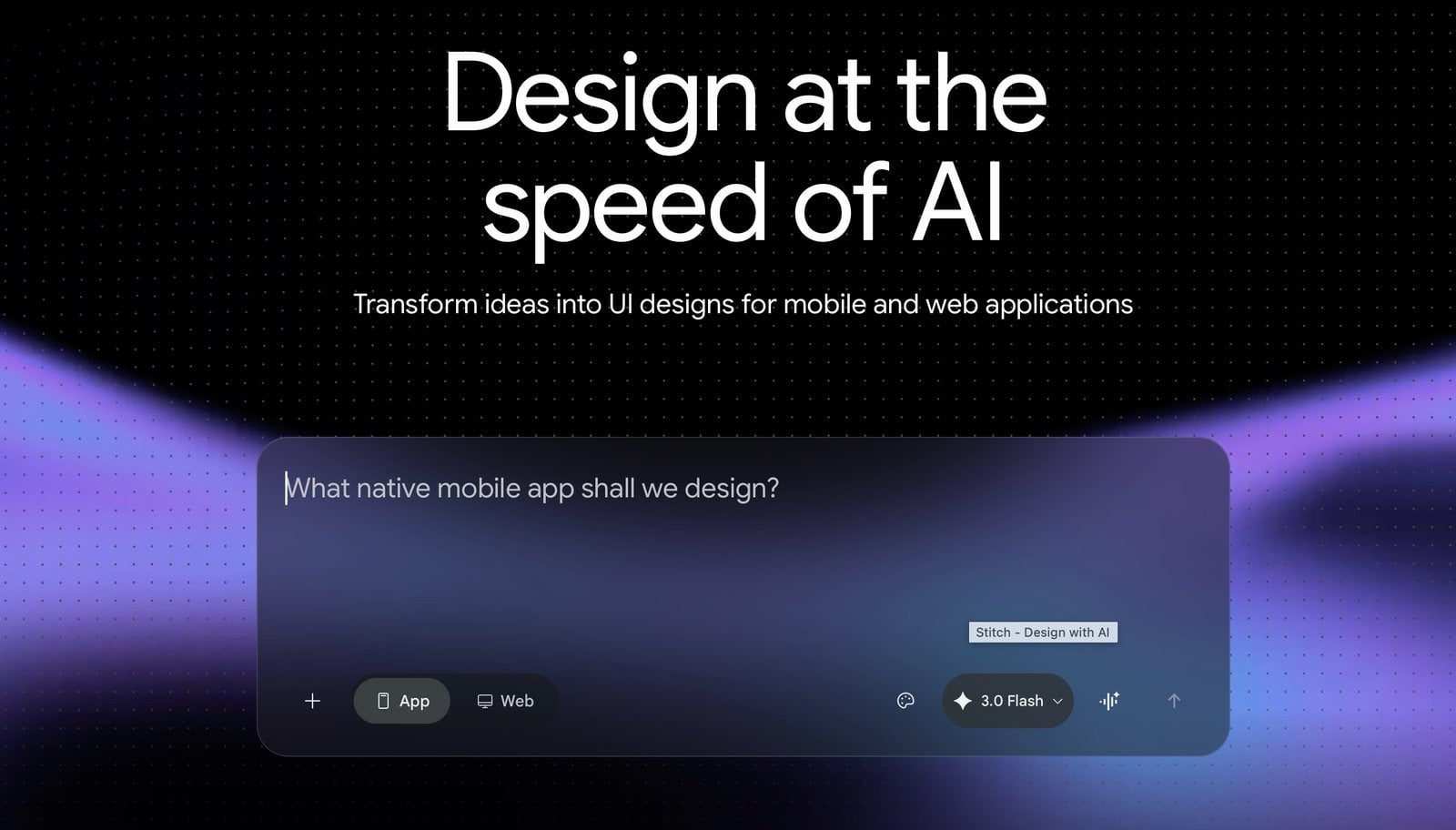
  • New Excel Copilot Agent Mode Automates Models, Formulas, Checks & Dashboards

    New Excel Copilot Agent Mode Automates Models, Formulas, Checks & Dashboards

    New Excel Copilot Agent Mode Automates Models, Formulas, Checks & Dashboards

    Excel screen showing Copilot Agent Mode creating linked sheets, formulas, and a dashboard from a simple prompt.

    What if the hours you spent wrestling with spreadsheets could be reduced to mere minutes? Imagine describing your ideal financial dashboard or project timeline in plain language and watching it materialize before your eyes, complete with formulas, visualizations, and structured workflows. This isn’t a glimpse into the distant future; it’s the fantastic power of Microsoft’s new Copilot Agent Mode. By automating complex, time-consuming tasks like data validation, formula generation, and dynamic chart creation, Copilot is redefining what productivity looks like in Excel. Yet, it’s not just about speed, it’s about empowering you to focus on the strategic decisions that truly matter, while the grunt work takes care of itself.

    Below My Online Training Hub takes you through how Copilot’s prompt-based automation bridges the gap between your ideas and their execution, making even the most intricate spreadsheet tasks feel effortless. You’ll discover how this tool not only accelerates workflows but also provides transparency by explaining its reasoning at every step, making sure you stay in control. From creating interconnected sheets to designing dashboards, Copilot’s capabilities are as impressive as they are intuitive. But, as with any innovative technology, it comes with limitations and nuances that demand your expertise. So, how does this blend of automation and human insight unlock new possibilities? Let’s unpack the potential, and the boundaries, of this innovative tool.

    Microsoft Copilot in Excel

    TL;DR Key Takeaways :

    • Microsoft’s Copilot Agent Mode in Excel automates complex tasks like formula generation, data validation, and dynamic visualization, significantly enhancing productivity while requiring user expertise for accuracy.
    • Copilot uses prompt-based task execution, allowing users to describe desired outcomes in plain language, which it translates into actionable steps for creating models, dashboards, and workflows.
    • Key features include data validation, conditional formatting, dynamic visualizations, and named ranges, streamlining workflows and improving spreadsheet clarity and usability.
    • Limitations include static tables, the need for manual refinement of outputs, and session-based documentation, emphasizing the importance of human expertise in reviewing and refining results.
    • Currently available in preview for select Microsoft 365 Copilot license holders, Copilot integrates seamlessly with Microsoft 365, fostering collaboration and enhancing team productivity on complex projects.

    How Copilot Enhances Spreadsheet Creation

    Copilot Agent Mode transforms the creation of intricate spreadsheets by automating tasks like building interconnected sheets, performing calculations, and designing dashboards. It analyzes your instructions to generate formulas, apply conditional formatting, and organize data into structured workflows. A standout feature is its transparency, Copilot explains its reasoning at every step, allowing you to review and refine its output.

    For example, if you need a financial projection model, Copilot can generate input sheets, projection tables, and dashboards while documenting the process for your review. This automation minimizes manual effort, allowing you to focus on strategic decision-making rather than repetitive tasks. By providing clear explanations, it ensures that you remain in control of the process and can make adjustments as needed.

    Prompt-Based Task Execution for Simplified Workflows

    The prompt-based design of Copilot allows you to describe your desired outcome in plain language, which it then translates into actionable steps. For instance, you can request a sales forecast dashboard, and Copilot will break the task into components such as data input, trend analysis, and visualization. This approach makes it easier to tackle even the most complex tasks.

    If you’re unsure how to phrase your request, tools like ChatGPT can assist in crafting structured prompts. This ensures that Copilot fully understands your requirements and delivers optimal results. By combining natural language input with advanced automation, Copilot bridges the gap between your ideas and their execution, making it an invaluable tool for professionals across industries.

    New Copilot Agents Build What Used to Take Hours, Automatically!

    Here are more guides from our previous articles and guides related to Microsoft Copilot Agent Mode that you may find helpful.

    Key Features and Advanced Capabilities

    Copilot Agent Mode offers a range of features designed to streamline your workflow and enhance the functionality of your spreadsheets. These include:

    • Data validation: Ensures input accuracy and consistency, reducing errors in your models.
    • Conditional formatting: Highlights critical metrics, making it easier to identify trends and anomalies.
    • Dynamic visualizations: Automatically generates charts and indicators to present data in a clear and impactful way.
    • Named ranges: Simplifies formula creation and improves reference management for complex spreadsheets.

    These features not only save time but also improve the clarity and usability of your spreadsheets. By automating repetitive tasks, Copilot allows you to focus on higher-level analysis and decision-making, making your work more efficient and impactful.

    Understanding the Limitations

    While Copilot is a powerful tool, it is not without limitations. Being aware of these constraints can help you use the tool more effectively:

    • Static tables: Generated tables may not automatically adapt to changes in assumptions, such as updated timeframes or variable ranges.
    • Manual refinement: Formulas and workflows created by Copilot may require adjustments to meet specific project needs or organizational standards.
    • Session-based documentation: Explanations and notes within the Copilot pane are not saved automatically, requiring you to document them separately for future reference.

    These limitations highlight the importance of your expertise in reviewing and refining the outputs to ensure they meet your exact requirements. By understanding these constraints, you can maximize the benefits of Copilot while maintaining control over your projects.

    The Role of Human Expertise

    Despite its advanced capabilities, Copilot is not a replacement for human expertise. Your role in validating assumptions, testing models, and refining outputs is critical to making sure accuracy and reliability. Domain knowledge and advanced Excel skills remain essential for interpreting results and making informed decisions.

    For instance, a financial analyst might use Copilot to draft a budget model but must review and adjust the formulas to align with organizational goals. Similarly, a project manager could use Copilot to create a timeline but would need to ensure that dependencies and milestones are accurately represented. Your expertise ensures that the final output is not only functional but also tailored to the specific needs of your project.

    Collaboration and Seamless Integration

    Copilot integrates seamlessly with Microsoft 365, enhancing collaboration across teams. Features such as shared workbooks and real-time editing enable multiple users to contribute to a project simultaneously. This integration ensures that workflows remain connected and accessible, fostering better communication and efficiency.

    By streamlining collaboration, Copilot allows teams to work together more effectively, even on complex projects. Whether you’re coordinating with colleagues in different departments or managing a cross-functional team, Copilot’s integration with Microsoft 365 ensures that everyone stays aligned and productive.

    Availability and Access

    Currently, Copilot Agent Mode is available in preview for Microsoft 365 Copilot license holders and select subscribers through the Frontier program. To access this feature, administrators must activate it in the Microsoft 365 admin center. This limited availability underscores the innovative nature of the tool and its potential to transform how professionals interact with Excel.

    As the technology continues to evolve, broader access is expected, making it an essential tool for professionals looking to optimize their workflows and enhance productivity.

    Maximizing the Potential of Copilot

    Microsoft Copilot Agent Mode represents a significant advancement in spreadsheet automation, allowing you to accomplish in minutes what previously required hours of manual effort. By automating complex tasks and providing transparent workflows, it enhances productivity and reduces the burden of repetitive work.

    However, it is important to recognize that Copilot is a tool designed to complement, not replace, your expertise. Your role in validating, refining, and interpreting outputs remains essential to achieving accurate and reliable results. As this technology continues to develop, it promises to become an indispensable resource for professionals seeking to unlock the full potential of Excel and streamline their workflows.

    Media Credit: MyOnlineTrainingHub

    Filed Under: AI, Guides

    Latest Geeky Gadgets Deals

    Disclosure: Some of our articles include affiliate links. If you buy something through one of these links, Geeky Gadgets may earn an affiliate commission. Learn about our Disclosure Policy.